




RELATED: Couponing app provides local merchant offers to transit riders
By 2020, 49% believe they will use only 1 transportation app: study
Additionally, more than a quarter of citizens will be using a self-driving car, according to a forthcoming global study from Xerox.
October 10, 2016

2 min to read

Cities globally are facing the challenges of increased demand for integrated transportation services and significant population growth. A forthcoming 23-city, global study[1] from Xerox shows that citizens have high expectations for transportation innovation in their cities over the next few years. According to the study, by 2020 half of all respondents (49 percent) believe they will have one app for all their transportation needs and 27 percent of respondents believe they will be using a self-driving car.
“Mobility is complicated, infrastructure is complex and widely using driverless technologies by 2020 is likely out of reach,” said Pat Elizondo, senior VP, Global Sales and Marketing, Public Sector, Xerox. “However, there are ways cities can meet constituent innovation demands and show progress in that timeframe, including delivering a single, unified mobility app.”
Xerox debuted its own unique mobility app that is currently piloting in Los Angeles, Denver, Centennial and Bengaluru. The “Go” app captures the universe of transportation options available in a city and computes the quickest, cheapest and most sustainable way to reach a destination.
“Offering sophisticated apps, such as Go LA and Go Denver, opens the door for behavior change among citizens,” said Elizondo. “Even though younger generations are more apt to use public transit, older generations still prefer cars. These types of apps are a great way to get all citizens on board with using alternative modes of transportation, which will ultimately reduce congestion within the city and allow for existing infrastructure to be used more efficiently.”
The “Go” apps are being showcased at Xerox’s stand (#2505) at ITS World Congress in Melbourne, Australia Oct. 10 to 14, 2016, along with a range of other innovations that aim to solve the biggest mobility challenges in cities around the world including:
• Mobility Companion – a solution to provide travellers with an integrated view of all transportation services available in a region, currently available in Europe; and
• Xerox Seamless® – a universal mobile payment solution that requires commuters to simply tap and go with their NFC-enabled smartphone.
Xerox executives will also be participating as speakers, organizers or moderators in more than 20 sessions at the Congress on topics ranging from parking to Mobility-as-a-Service to Intelligent Transportation Solutions and the digital city.
Full results from the study will be released in January 2017 from Conduent Incorporated, Xerox’s Post-Separation Business Processing Services Company.
More New Mobility
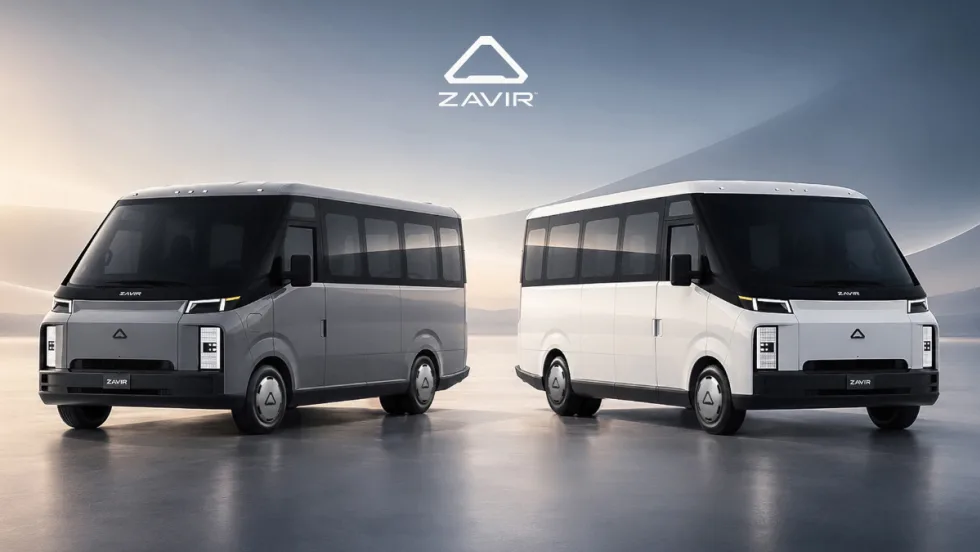
ENC Unveils ZAVIR Medium-Duty Electric Shuttle at APTA EXPO
The new ZAVIR brand targets shuttle and paratransit operations with battery-electric and range-extended electric vehicle options.
Read More →
Public Transit Conference Returning to GFX in 2027, Call for Papers Now Open
The Call for Papers is now open, allowing transit agency professionals and industry experts to help shape the PTC educational program by submitting session ideas for consideration.
Read More →
Everett Transit, Community Transit Outline Consolidation Agreement
The proposed agreement calls for a 50% increase in bus service in Everett, a new microtransit zone, continued paratransit service, and the transfer of Everett Transit operations to Community Transit.
Read More →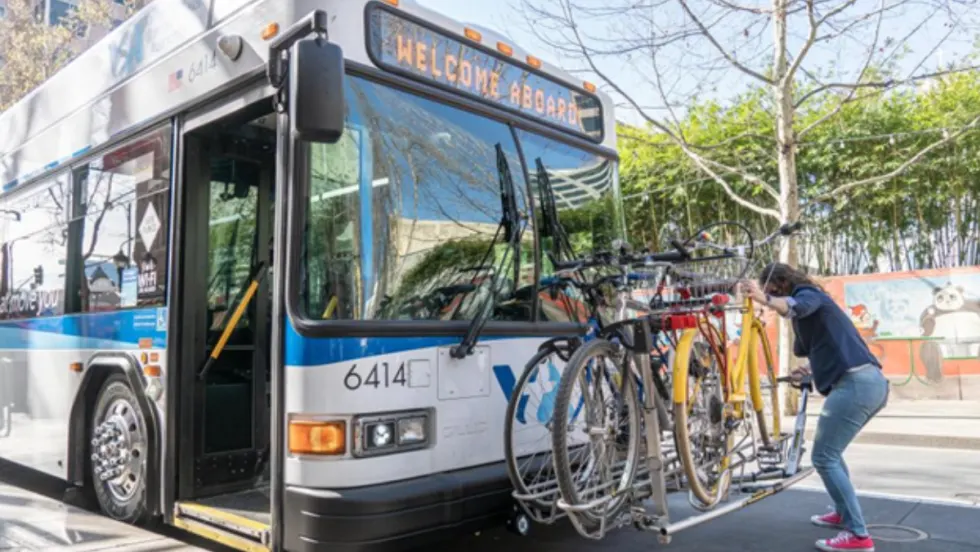
What Multimodal Data Can Tell Transit Agencies About Rider Demand
See how bike-on-bus data is giving transit agencies new insight into rider demand, capacity constraints, and gaps in first- and last-mile connections.
Read More →
From Hardware to Digital Partner: Luminator Charts Its Next Chapter
CEO Magnus Friberg discusses Luminator’s shift toward becoming a digital partner, the growing importance of software and interoperability, and how AI can help agencies improve operations and passenger experience.
Read More →
Biz Briefs: Alstom Lands Canadian Contract, LYT to Supply California TSP, and More
In METRO's latest installment, we take a look at recent news from Complete Coach Works, Beep, FlixBus, and more partnerships making headlines across the transportation sector.
Read More →
CharterUP’s Armir Harris on Technology, AI, and the Future of Group Mobility
In a recent episode of METROspectives, CharterUP Founder/CEO Armir Harris discussed the company’s evolution from an online charter bus marketplace into a technology platform supporting public- and private-sector mobility and much more.
Read More →
Jacksonville’s NAVI Project Charts a New Course for Autonomous Public Transportation
Through its NAVI program, JTA is showing how autonomous vehicles, intelligent infrastructure, and coordinated operations can work together to deliver everyday public transportation.
Read More →
Biz Briefs: Luminator Marks Milestone and More
From manufacturers and suppliers to transit agencies and motorcoach operators, these updates offer a snapshot of the projects, partnerships and business moves driving the industry forward.
Read More →
New Tricks for Old Bureaucracies: Joshua Schank on Making Transit Innovation Stick
Former LA Metro Chief Innovation Officer Joshua Schank discusses why good ideas aren't enough, how transit agencies can overcome resistance to change, and why today's challenges demand more innovation.
Read More →