
Metro Magazine

 MENU
 SEARCHMENUSEARCH
Loading data...

The $170 million project is expected to generate $4.3 billion in downtown economic development.
Read More →
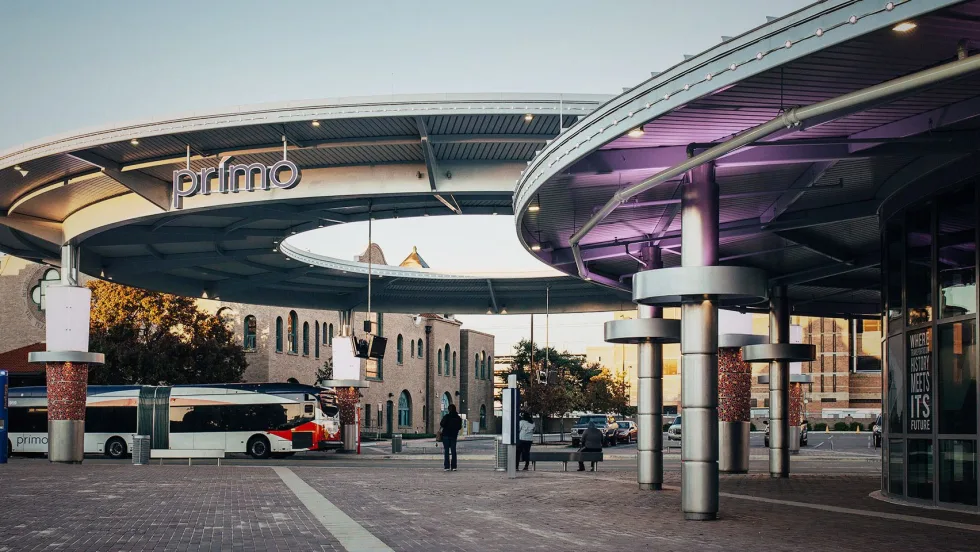

Allows users to compare BRT systems and bus corridors in all 134 cities in 36 countries. The database includes 95 different indicators on system operations, design and cost, including metrics like the number of passengers per day, commercial speed and the length of corridors.
Read More →Estimates for system drop from $33 million to $21.4 million in recent budget proposal.
Read More →Texas senate gives go-ahead for HSR Corp. Utah officials want BRT route change. Transit group takes campaign online.
Read More →Representatives from transit agencies in other major cities shared how rapid transit buses helped them improve service, increase ridership and attract redevelopment. Creating a regional agency to operate the system would force coordination and efficiency on overlapping city and suburban bus providers.
Read More →Planning to spend about $800,000 for an environmental study of a route between South Jersey and Philadelphia. The agency will pay for the study with money from a $2.6 million federal grant received last year to advance a proposed BRT system.
Read More →The history-making Tempo system is a $232 million investment in the East Bay communities and seamlessly integrates the frequency of light-rail train service, but instead delivers unparalleled bus frequency through a nearly 10-mile network of dedicated and painted bus-only lanes.
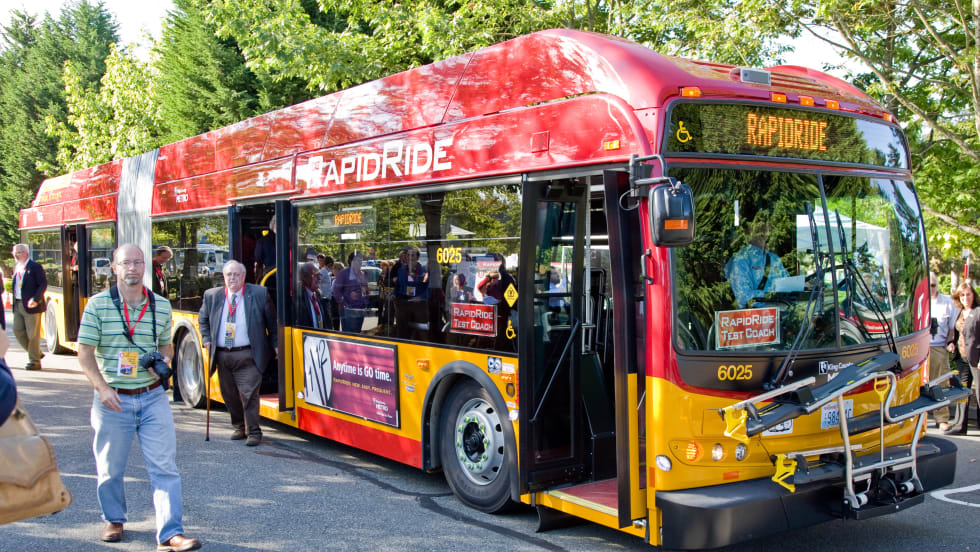
Read More →The RapidRide B Line, featuring 60-foot articulated buses built by New Flyer, will connect the cities of Bellevue and Redmond.
Read More →BRT represents a significant enhancement from traditional bus service, and capital costs can be as little as $10 million per mile.
Read More →Fairfax County’s Route 1 project will tie the region together, providing vital ties to job centers and WMATA’s rail system, as well as spur density growth through the implementation of TOD projects.
Read More →