
Metro Magazine

 MENU
 SEARCHMENUSEARCH
Loading data...
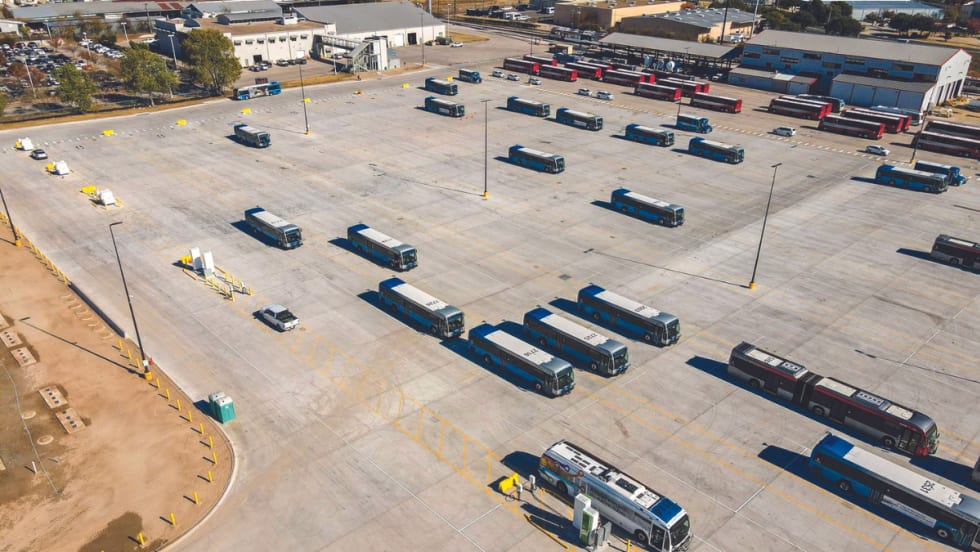
It’s easy to buy a bus, but the infrastructure necessary to operate, maintain, and store a fleet of them isn’t necessarily so easy, particularly if you’re switching from diesel to electric. It’s costly. And it can take a long time to put in place.
Read More →


Four charging stations will serve vehicles used by Chicago car-sharing services I-Go and Zipcar — both of which are expanding their fleets to include electric vehicles — at the first charging facilities at a CTA station.
Read More →The partnership formalizes the relationship as the two companies begin to deploy several electric bus customer projects, with the earliest expected to launch this year.
Read More →As transit agencies prepare charging/fueling infrastructure for electric or hydrogen fuel-cell buses, a panel of experts says starting early and involving key stakeholders will help keep your procurement on track. Even then, remaining flexible along the road is a must.
Read More →The cutting-edge charging station, located along the R-Line — RIPTA’s most frequently-used route connecting Providence, Cranston, and Pawtucket — can charge up to four electric buses simultaneously while they are in service.
Read More →CLT is the first airport to leverage the Georgia State Contract to purchase Proterra electric buses.
Read More →AMPLY was brought in during the fall of 2019 to simplify Tri Delta's charging operations and address challenges presented by previously installed hardware.
Read More →Today’s streetcars will be able to minimize or eliminate some of the traditional power elements, thanks to the improved technology.
Read More →It’s easy to be sold on the idea of going electric but success requires careful planning, and that becomes even more true when more vehicles are involved in the project.
Read More →System uses a charging pad that lies flush with the pavement, is sturdy enough to be run over all day without damage, and wirelessly charges the bus during routine stops.
Read More →