RIPTA Celebrates First Electric Bus In-Line Charging Station
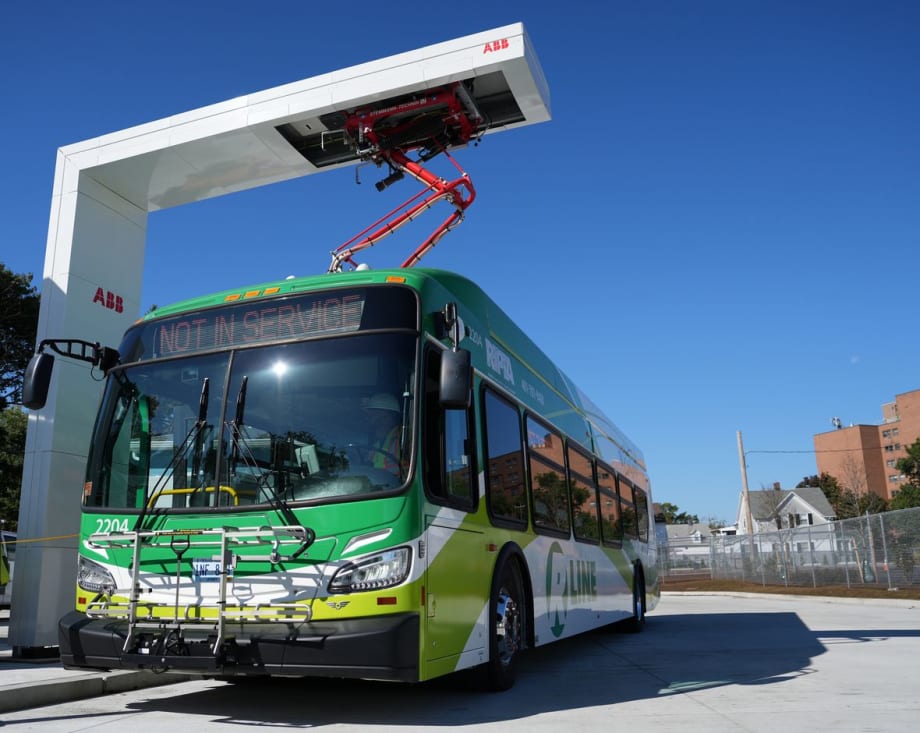
The cutting-edge charging station, located along the R-Line — RIPTA’s most frequently-used route connecting Providence, Cranston, and Pawtucket — can charge up to four electric buses simultaneously while they are in service.
The charging station will power RIPTA’s first electric fleet — 14 New Flyer Xcelsior XE40 battery-electric buses, all of which will exclusively serve the R-Line.
Photo: RIPTA
3 min to read
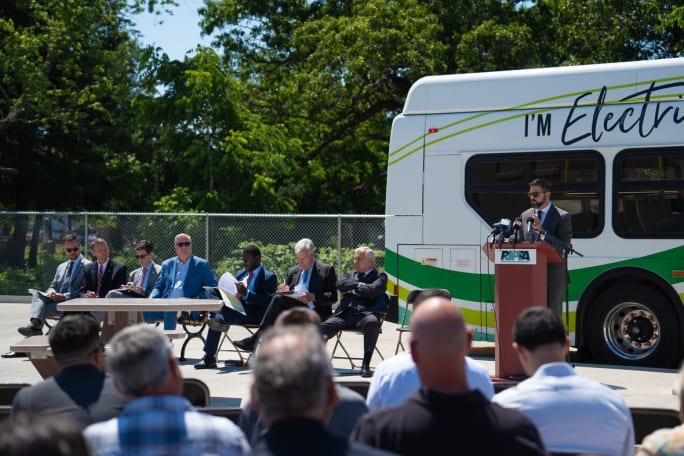
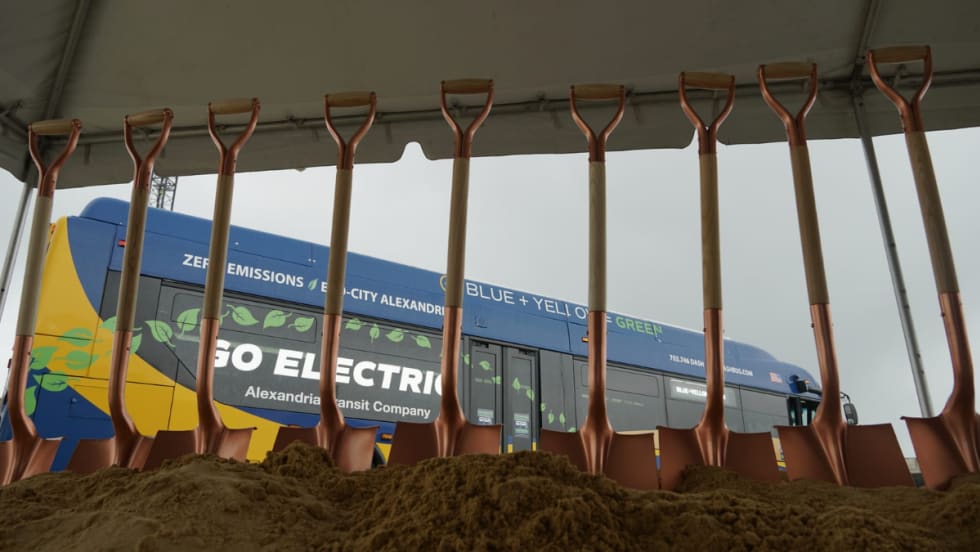
Members of the State’s Congressional delegation, the Federal Transit Administration (FTA), municipal leaders, Rhode Island Energy, and the Rhode Island Public Transit Authority (RIPTA) gathered to celebrate the completion of construction on Rhode Island’s first electric bus in-line charging station.
The cutting-edge charging station, located along the R-Line — RIPTA’s most frequently-used route connecting Providence, Cranston, and Pawtucket — can charge up to four electric buses simultaneously while they are in service.
Ad Loading...
The charging station, the first of its kind in the Northeast region, also features driver restrooms and various site enhancements, including an on-site snow-melt system.
RIPTA’s New Bus Charging Station
The charging station will power RIPTA’s first electric fleet — 14 New Flyer Xcelsior XE40 battery-electric buses, all of which will exclusively serve the R-Line.
Electrifying this route will lower emissions on a key corridor, where many low-income and diverse communities have been affected by air pollution and experience high asthma rates.
The bright green buses, equipped with an energy storage system totaling 320 kWh, mark RIPTA’s commitment to cleaner and more sustainable public transportation. The full electric fleet will be deployed this month, making public transportation in Rhode Island even greener.
RIPTA’s Interim CEO, Christopher Durand, highlighted the station's importance in advancing the state's commitment to cleaner air quality and zero-emission, sustainable energy.
Ad Loading...
He emphasized that projects like this contribute to Rhode Island's leadership in the green economy and improve access to public transportation for residents who rely on RIPTA’s services.
“This innovative facility, located along our most frequently-used route, represents our commitment to cleaner, sustainable transportation,” he said. “The introduction of our first fully-electric fleet will not only reduce emissions but also enhance the quality of air and life in the communities we serve."
How the Project Came About
The $7.6 million design-build project was led by BOND Civil & Utility Construction Inc. of Medford, Mass. BOND’s experience in delivering critical infrastructure, including electric bus charging stations, was instrumental to the project’s success.
The company worked closely with Rhode Island Energy to ensure that electrical power and a high-pressure gas line was available for this project. BOND also worked closely with GM2 and Fuss & O’Neill during the design phase of the project.
The project was funded by Volkswagen Settlement Funds and the Federal Transit Administration Bipartisan Infrastructure Law.
Ad Loading...
RIPTA interim CEO Christopher Durand welcomes attendees to the press event.
Photo: RIPTA
RIPTA’s Zero Emissions Fleet Transition
In May 2018, the State of Rhode Island announced that approximately $14.4 million of the state’s Volkswagen settlement funds would be used to take important steps toward improving air quality in Rhode Island — including the acquisition of electric buses for RIPTA.
In 2019, the agency launched a pilot program with three leased all-electric buses. This pilot provided RIPTA with an opportunity to learn about the new technology, train staff, and test the performance of the electric buses on a variety of RIPTA routes.
After considerable analysis of vehicle performance, range, and energy consumption data collected in the initial demonstration buses, RIPTA made the first major step toward transitioning away from diesel-based propulsion and toward a greener, more sustainable bus fleet with the purchase of 14 New Flyer Xcelsior XE40 battery-electric buses, all of which will be exclusively assigned to run on the R-Line.
The Electric Bus In-Line Charging Station project is part of Rhode Island's Zero Emissions Fleet Transition, utilizing Volkswagen settlement funds to improve air quality and introduce electric buses to RIPTA's fleet.
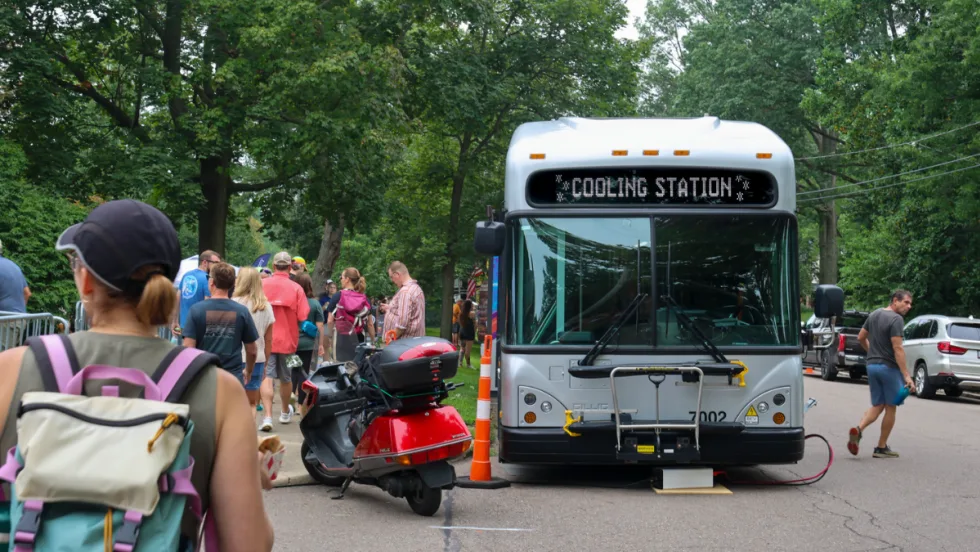
See how three Gillig battery-electric buses powered festival stages while the agency’s new Park & Ride service carried approximately 1,000 attendees, demonstrating another potential use for transit agencies’ electric fleets.
The new name represents a renewed vision for the nonprofit focused on advancing clean, equitable, and affordable transportation solutions that move people and goods.
John Hroncich discusses BAE Systems’ modular and scalable approach, lessons learned from decades of real-world operations, and how agencies can identify electrification strategies that fit their fleets.
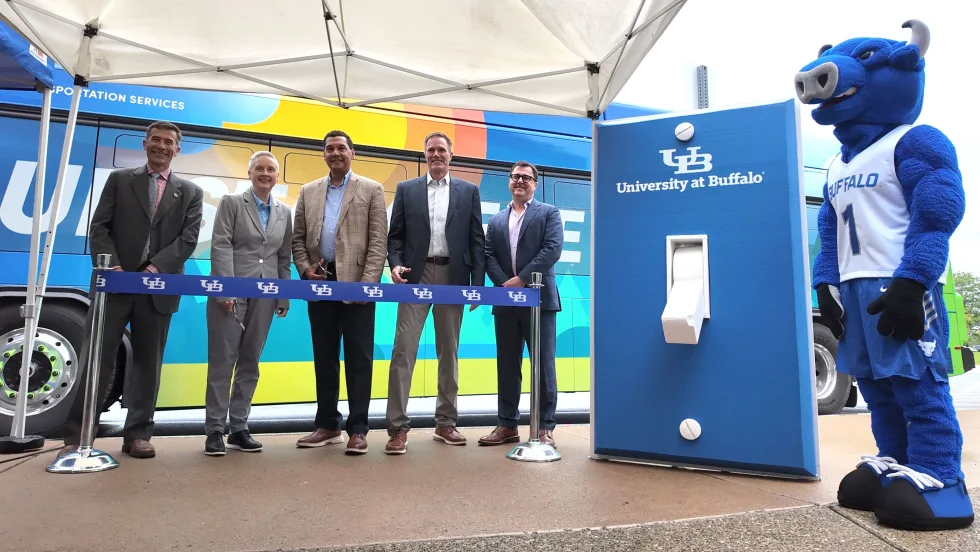
UB, transportation solutions provider WeDriveU, and fleet electrification specialist Zenobē marked the deployment in the presence of students, university administrators, and local officials.
From manufacturers and suppliers to transit agencies and motorcoach operators, these updates offer a snapshot of the projects, partnerships and business moves driving the industry forward.
The agency’s maintenance chief discusses leadership, workforce development, zero-emission technology, and preparing technicians for the future of public transportation.
The firm will work with CTDOT and RVT to define the facility layout, operational requirements, and long-term flexibility for RVT’s growing electric fleet.
The fast-charging infrastructure will help extend electric bus range, improve fleet utilization, and support DASH's goal of transitioning to a fully zero-emission fleet.