
Metro Magazine

 MENU
 SEARCHMENUSEARCH
Loading data...
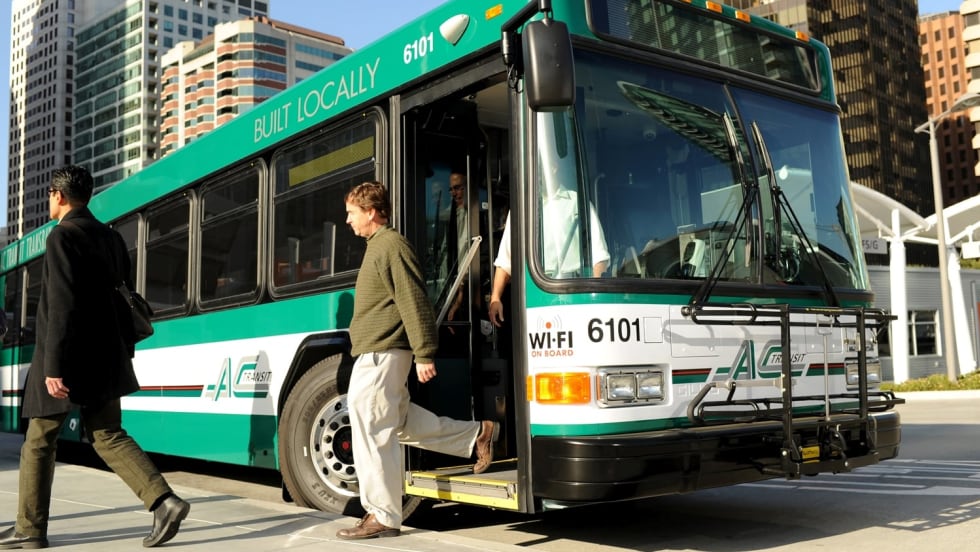
The agency has so far revamped its fleet with 210 new buses, created task forces to focus on areas such as on-time performance, reducing accidents and decreasing road calls. Additionally, it’s long-awaited East Bay BRT project is making headway.
Read More →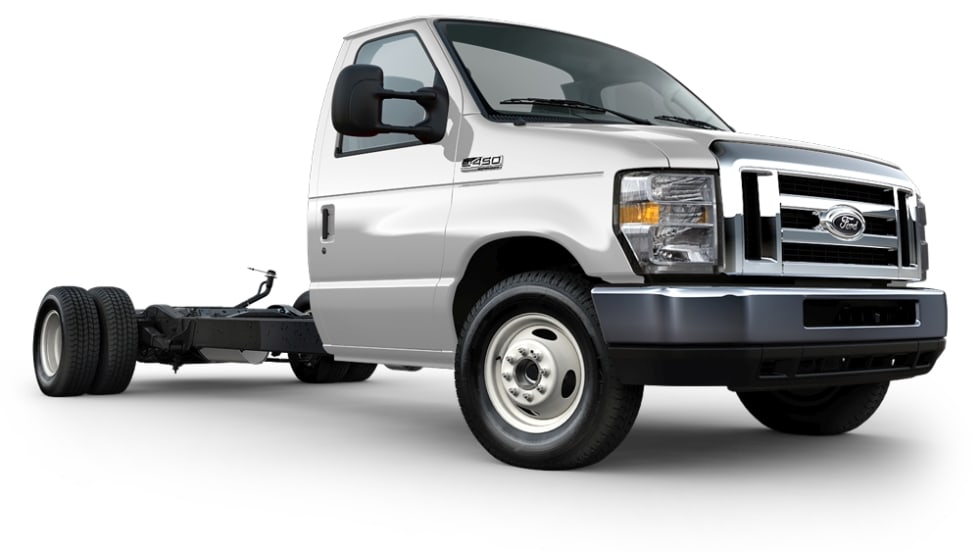


Currently, Livonia has four ROUSH CleanTech Ford E-450 Cutaway buses that are used for its Community Transit system.
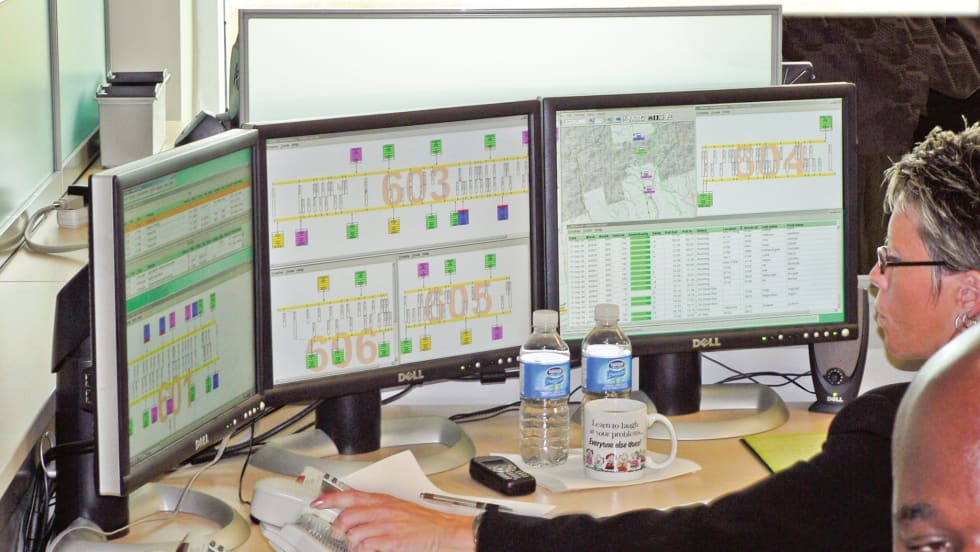
Read More →With the development of smart devices and open data platforms in the transit market, fleet efficiency solutions are becoming much more diverse. Rather than buying a telematics suite, customers can mix and match to keep costs low.
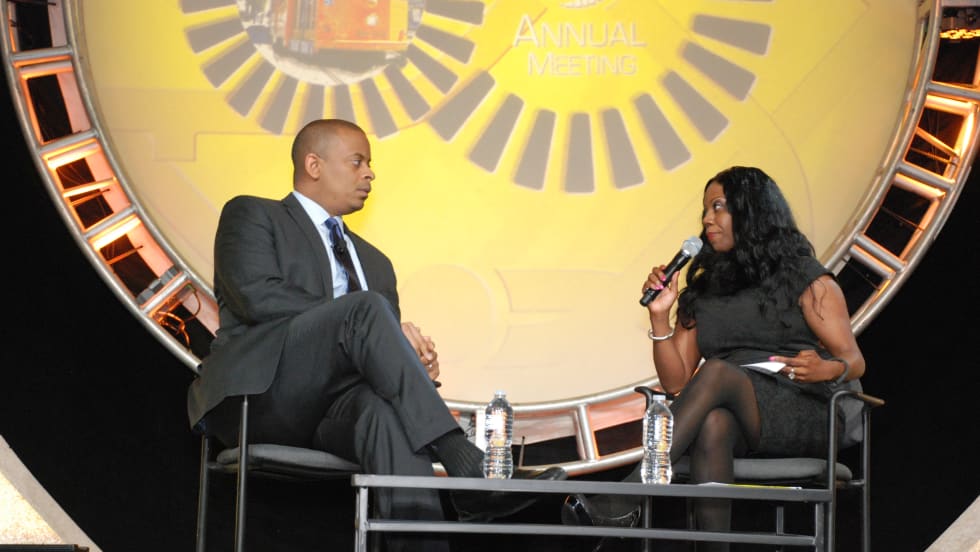
Read More →A member of the board of trustees of the Greater Cleveland Regional Transit Authority since 2006, Valarie J. McCall has been active in APTA, holding increasingly influential positions, before eventually being named chair at October’s Annual Meeting.
Read More →The economic recession has only provided a temporary respite from the growing congestion problem, according to a new study. When the economic growth returns, the average commuter is estimated to see an additional three hours of delay by 2015 and 7 hours by 2020.
Read More →Also launching is the CTA Budget Ideas Board — an online feedback forum for the proposed 2012 budget — and the new CTA Updates, a subscription text/email service for customers to receive alerts on any unplanned events affecting service.
Read More →The plan, developed in conjunction with the Penn Station Task Force established by Gov. Andrew M. Cuomo in May, addresses the near-term summer crisis at Penn Station and will minimize the long-term operating and management failures of Amtrak
Read More →The contract also includes options for an upgrade path to support future updates, which could increase the value to $52 million if all options are exercised.
Read More →She is currently the longest-serving transit CEO in the nation. Her career with the authority spans 43 years, 32 of them as CATA’s CEO.
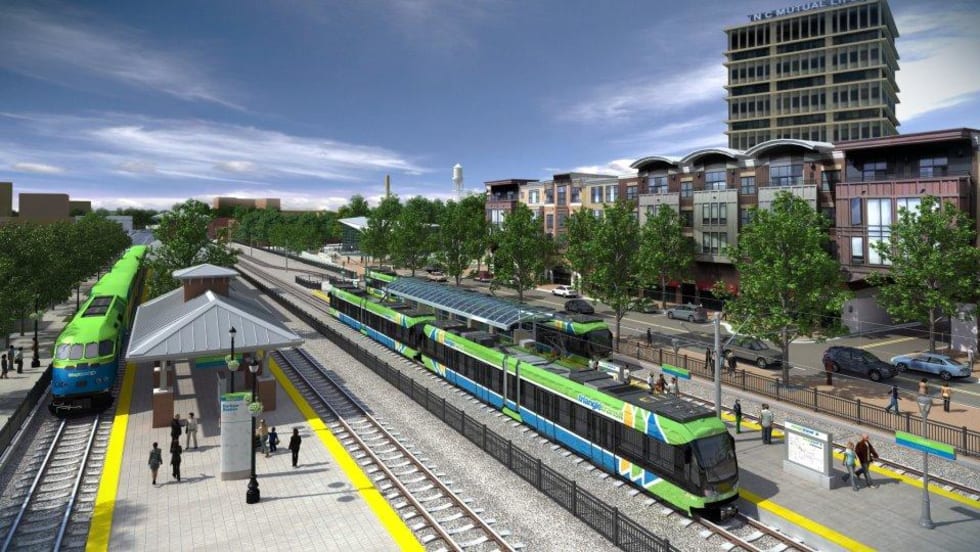
Read More →The FTA told GoTriangle in a recent email that the two counties involved must be committed to paying at least 30% of the project’s local cost, or $371.1 million, before the project can be approved for engineering work.
Read More →