
Metro Magazine

 MENU
 SEARCHMENUSEARCH
Loading data...

Ridership grew 2.9% over 2005 and is up 30% since 1995.
Read More →


The savings are based on the cost of commuting by public transportation compared with the cost of owning and driving a vehicle, including parking expenses and fuel prices based on current national averages.
Read More →In Part 1, Blandon shares his journey from the U.S. Marines to a leadership role in public transit, along with insights on mentorship and professional growth within the industry.
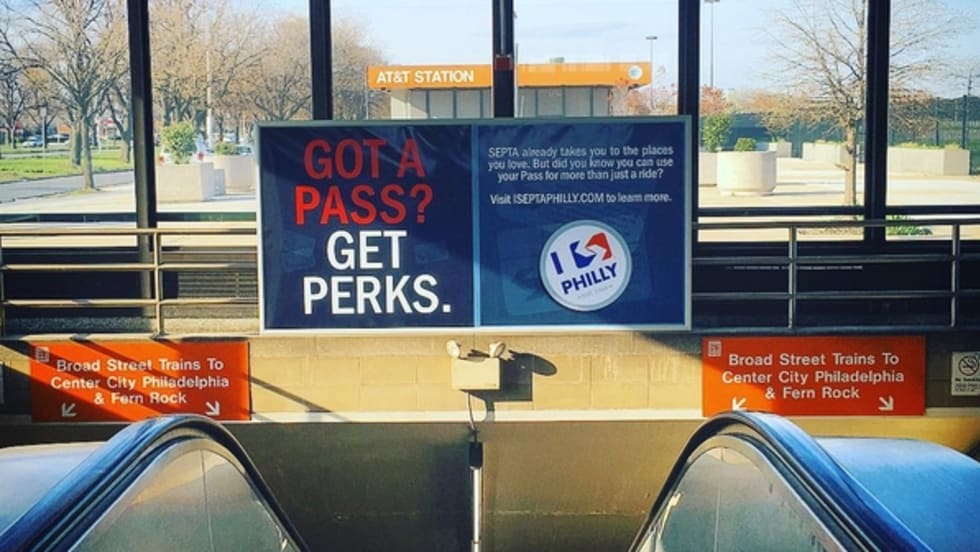
Read More →The benefits of using public transit are many — environmentally friendly, less stressful than driving and no time wasted sitting in traffic, to name a few. For commuters in cities like Philadelphia, Los Angeles and Montreal, there are even more advantages for using transit — discounts at local businesses for using bus/train/trolley passes.
Read More →Head administrator of the Federal Transit Administration speaks out.
Read More →In January, Andy Didorosi bought three buses and began to organize the Detroit Bus Company — a private transit operation that is completing its regulatory papers now and expects to start service in late April.
Read More →Preliminary data indicate that per-capita ridership increased from 83.5 rides per capita in 2000 to 83.9 rides per capita in 2001.
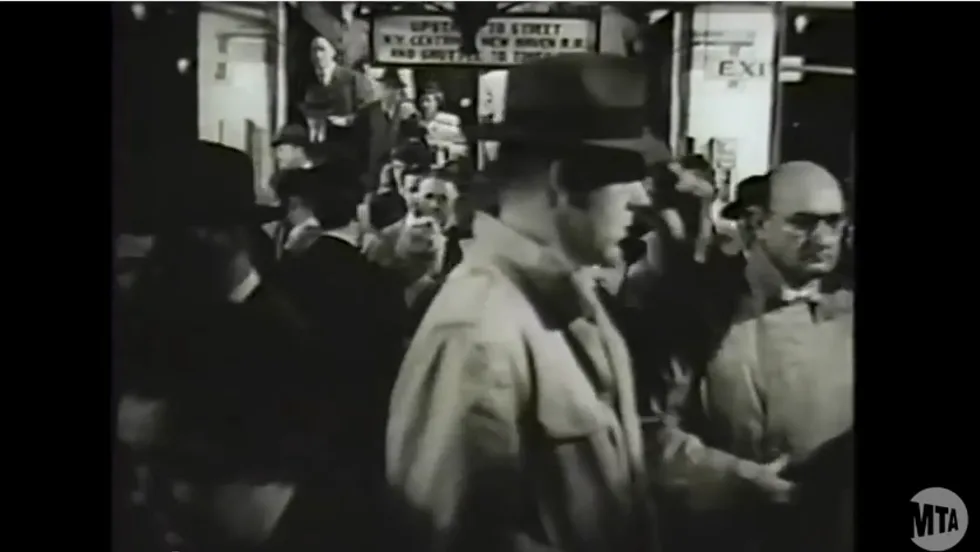
Read More →From the New York Transit Museum Archives, a 1949 film about daily subway operations.
Read More →Despite declining gas prices, a person can achieve an average annual savings of $9,596 per year by taking public transportation instead of driving.
Read More →Focusing on the economic, environmental, energy and quality of life benefits of public transit, the wall is aimed to show Congress the vital need for a multi-year surface transportation bill.
Read More →