



Keeping our commitment to public transit
Head administrator of the Federal Transit Administration speaks out.
Since World War II, Americans have had a love affair with the automobile. But, increasingly, we want other options for getting where we want to go. For various reasons — traffic congestion, stress, cost — many of us would like to reduce our automobile use, but reliable alternatives are often unavailable. As the 21st century begins, the time for more public transit has arrived. A public transit renaissance makes sense for our environment, our pocketbooks, our local economies, our quality of life and our national security. Public transit saves time and money for transit passengers and automobile drivers, alike. According to the 2003 Urban Mobility Report published by the Texas Transportation Institute, 5.7 billion gallons of wasted fuel and 3.5 billion hours of lost productivity resulting from traffic congestion in 2001 cost the nation $69.5 billion. Every commuter, on average, loses an estimated 62 hours and more than $1,000 due to traffic congestion each year. When Americans opt to take public transit, they not only reduce their own travel time, but also reduce the traffic congestion facing those who choose to stay in their car. Exemplary projects encouraged But we need well-planned, reliable public transit to win the hearts of commuters. Over the past few years, the Federal Transit Administration (FTA), in collaboration with the transit industry and other stakeholders, has tackled some tough questions about how we can find and promote common-sense transit solutions. We want to help public transit become a mode of first choice by helping communities design and enjoy exemplary public transit projects. This deliberative process contributed significantly to the development of the Safe, Accountable, Flexible and Efficient Transportation Act (SAFETEA), the Bush Administration’s proposal for the six-year reauthorization of the surface transportation act. With SAFETEA, we will be ready to meet the growing demand for public transit. Now, it is up to Congress to pass SAFETEA expeditiously. Nothing is more important for public transit today. SAFETEA will not only ensure funding predictability and stability, but also provide a blueprint for making public transit smarter, safer and simpler to use, well into the future. SAFETEA would provide a record $46 billion for transit over six years, a 28% increase over previous funding levels. While funding is important, the programmatic changes it embodies are even more critical to the future of public transit. SAFETEA would make 80% of all transit funding available to states and localities by formula — putting decisions about how best to meet public transportation needs where they belong. There is no generic transit agency; there is certainly no generic American community in need of public transit; and we certainly haven’t cornered the market on common sense in Washington, D.C. The truth is that common-sense transit solutions begin with local collaboration and decision-making — and this change will allow local communities to identify and implement solutions that fit their needs. A+ performance sought Perhaps it goes without saying that we cannot realize the many benefits of public transit unless people ride it. So SAFETEA proposes up to $1.3 billion in performance incentives to reward “A+” performance by transit agencies that successfully get people onto buses and trains. People who depend on public transit for mobility can depend on SAFETEA. Rural areas would see an 87% increase in funding, and people with disabilities, older adults and low-income individuals would see improved service as a result of coordinated service delivery and predictable funding. SAFETEA is a new transit bill for a new century — one that will help public transit become a mode of choice in America at a time when both the need and the enthusiasm for public transit are growing. In SAFETEA, President Bush has again provided the framework for a government that is customer-focused and results-oriented. It deserves quick and enthusiastic passage when Congress reconvenes this month.
More Management
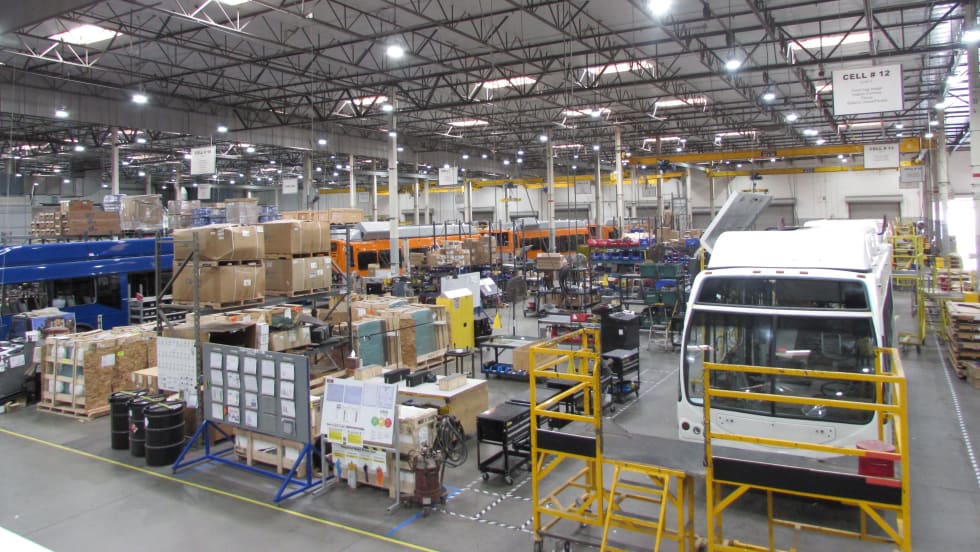
LA Metro Board Awards 220 Battery-Electric Bus Contract to ENC
The contract, which is the largest base award of battery-electric buses by a U.S. transit agency, will be built in Southern California, sustaining good jobs as LA prepares to welcome the world in 2028
Read More →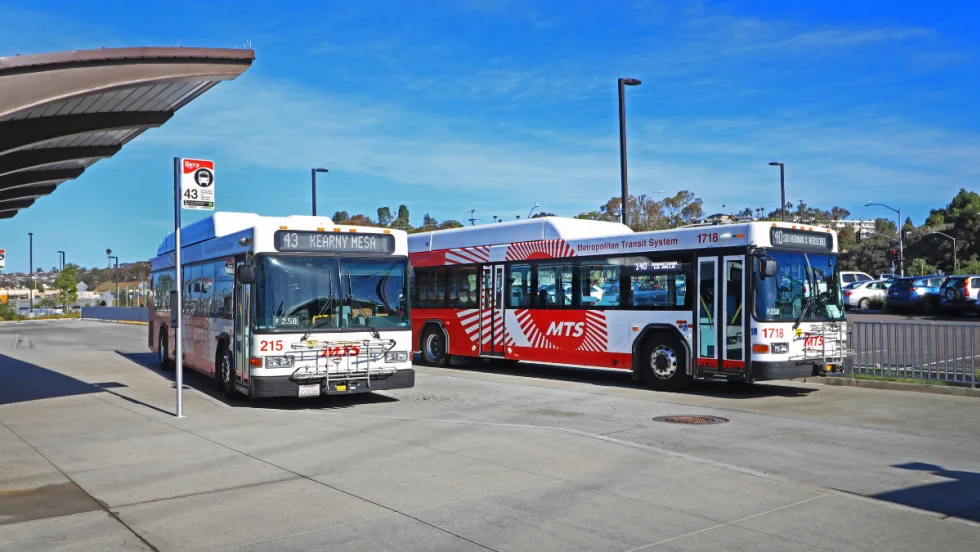
What’s Behind San Diego MTS’s Award-Winning Transit Strategy
Named one of APTA’s 2026 Outstanding Public Transportation Systems with 50 million or more annual passenger trips, California’s San Diego Metropolitan Transit System points to gains in ridership, safety, technology, and reliability as foundations of its success.
Read More →
Public Transit Conference Returning to GFX in 2027, Call for Papers Now Open
The Call for Papers is now open, allowing transit agency professionals and industry experts to help shape the PTC educational program by submitting session ideas for consideration.
Read More →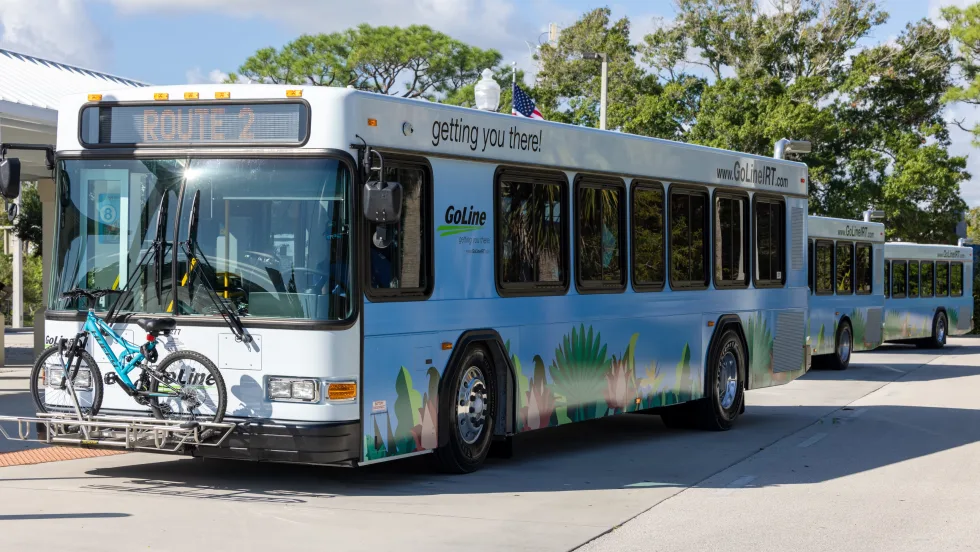
Indian River Transit’s Community-Focused Approach Earns National Recognition
Named APTA’s 2026 Outstanding Public Transportation System in its size category, Florida’s Indian River County transit system continues to grow ridership through fare-free service and a focus on evolving community needs.
Read More →
ENC Lands MATA Contract and More in Biz Briefs
In this edition of Biz Briefs, we spotlight the latest developments shaping the future of mobility.
Read More →
From Surviving to Thriving: Building Stronger Transportation Organizations
Bus Business Consultants founder Brian Dickson shares lessons on leadership, organizational health, and creating options for long-term success in a changing transportation industry.
Read More →
Everett Transit, Community Transit Outline Consolidation Agreement
The proposed agreement calls for a 50% increase in bus service in Everett, a new microtransit zone, continued paratransit service, and the transfer of Everett Transit operations to Community Transit.
Read More →
Strada360’s Steve Lassey on Turning Transit Data Into Better Decisions
From breaking down data silos to preparing for AI, Strada360 CEO Steve Lassey discusses how transit agencies can use technology to improve operations, customer information, and long-term decision-making.
Read More →
People Movement: Phil Washington Joins HNTB, Denver RTD Launches CEO Search, and More
In this edition, we also spotlight recent personnel moves at STV, the Eno Center for Transportation, and more, highlighting the people taking on new roles across the transportation industry.
Read More →
SEPTA Details Accelerate Vision for Transit System
The plan outlines investments in trolley modernization, new Metro and Regional Rail vehicles, accessible stations, and more frequent bus and rail service.
Read More →