
Metro Magazine

 MENU
 SEARCHMENUSEARCH
Loading data...
Compared to regular transit service planning, services for special events pose a unique set of challenges to cities of smaller sizes, as well as service providers because they’re non-recurring events without a predictable transit demand.
Read More →


From digital transformation to evolving customer demands, CharterUP's Armir Harris offers his perspective on the transportation industry's next chapter.
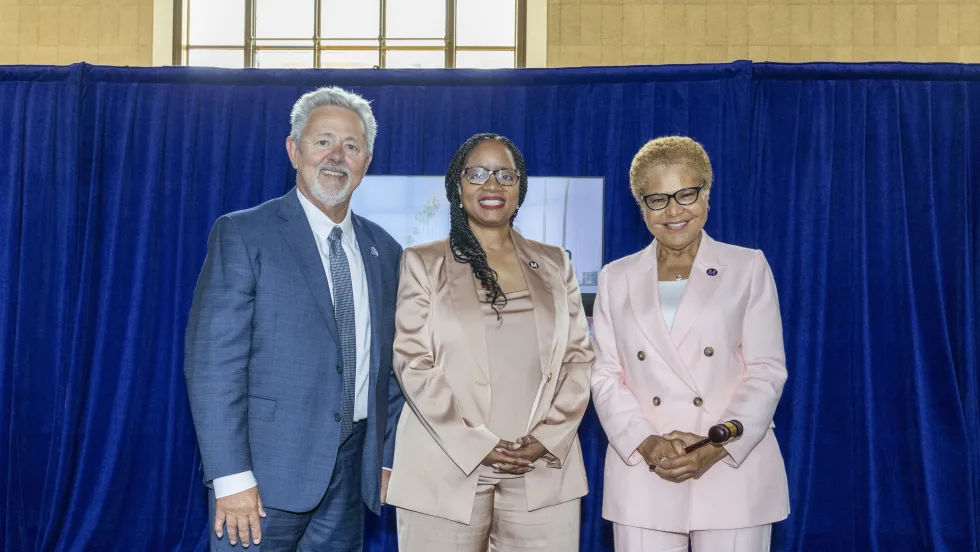
Read More →Incoming LA Metro Board Chair and Los Angeles Mayor Karen Bass joined outgoing Board Chair Fernando Dutra and LA Metro CEO Stephanie Wiggins to review accomplishments from fiscal year 2026, which included the opening of new rail extensions, advancement of major transit projects, expanded safety programs, and new rider amenities.
Read More →In addition to bringing in jobs, the city must invest in light rail infrastructure, the head of a global company said of the need to lure large companies.
Read More →The number represents an increase of more than 48 million trips and the highest third quarter ridership since 1974.
Read More →Moovit is setting a new standard for consumer access to real-time local transit directions through a combination of its free smartphone app and a hyper-engaged community. The company, which recently opened its international headquarters in San Francisco, has already doubled its user community in the last six months.
Read More →Sacramento Regional Transit Board of Directors passed a new set of rules Monday night that kicks people off of RT buses and trains who become a public nuisance.
Read More →The study found that lower-wage workers often endure the most brutal commutes, and the findings suggest a need for workplace policies that help to balance work and family life, in addition to better investment in our mass transit system.
Read More →The final rule formally adopts the Safety Management System approach to safety as the basis of the FTA safety program.
Read More →The rapid transit systems of Seoul and Beijing, the two largest cities in the survey, served the most people by far. Almost 11 million people live within 1 km (.62 miles) of each system.
Read More →