
Metro Magazine

 MENU
 SEARCHMENUSEARCH
Loading data...
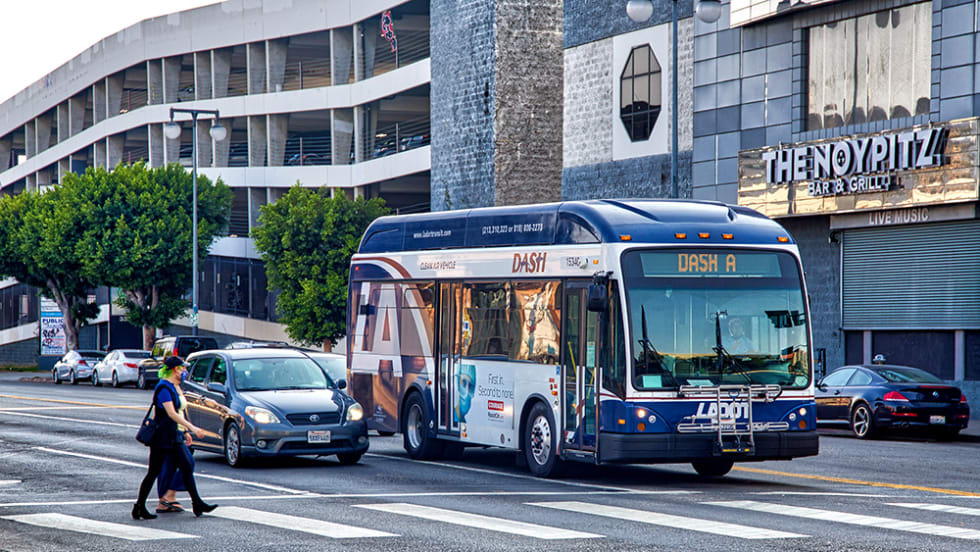
The changes are taking place as a result of a landmark report, “Changing Lanes: A Gender Equity Transportation Study."
Read More →
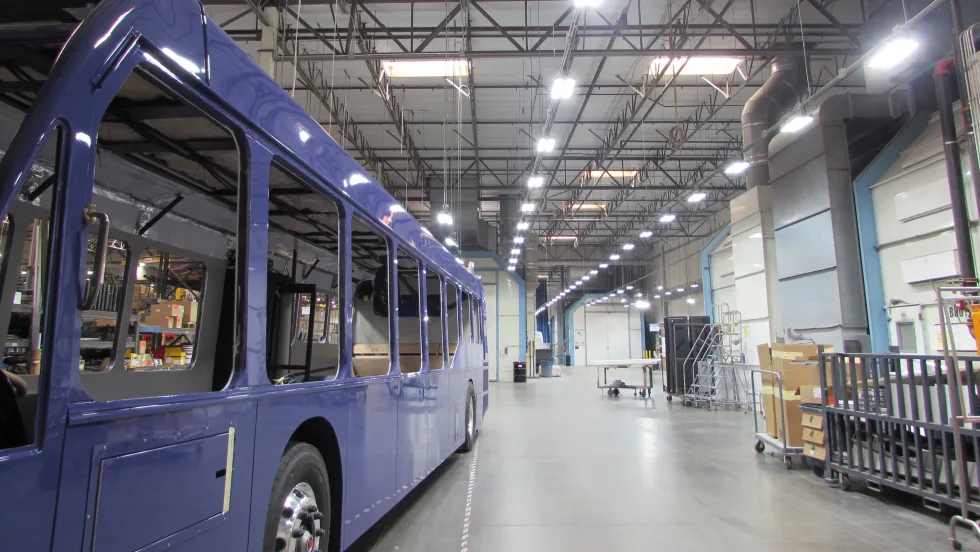
New and improved systems help detect any signs of a fire, even before flames come into play. Better detection leads to a quicker and more efficient response to out-of-the-ordinary conditions with different modes of suppression, depending on the needs of the vehicle.
Read More →The goal of the pilot is to help younger people learn transit with close to 75% of the school’s students participating.
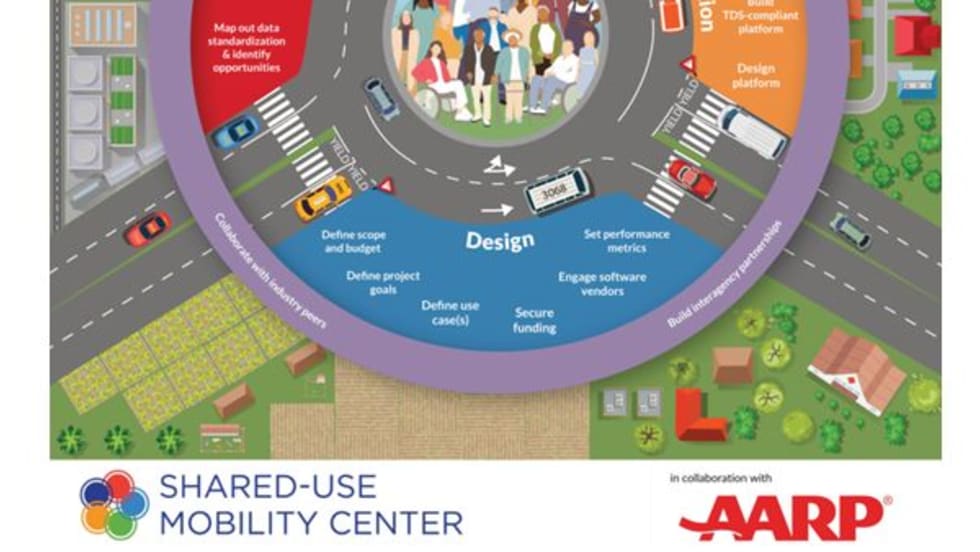
Read More →Transactional data specifications can be used to help dial-a-ride and ADA paratransit services seamlessly connect systems in order to make requesting a trip easier.
Read More →One option to help keep costs down is replacing older vehicles through an accelerated vehicle acquisition plan that uses municipal leases. With tight credit markets and limited access to capital markets, this is an efficient, less costly option.
Read More →Since 2005, City View and ENC have supplied nearly 90 E-Z Rider II buses to YRT.
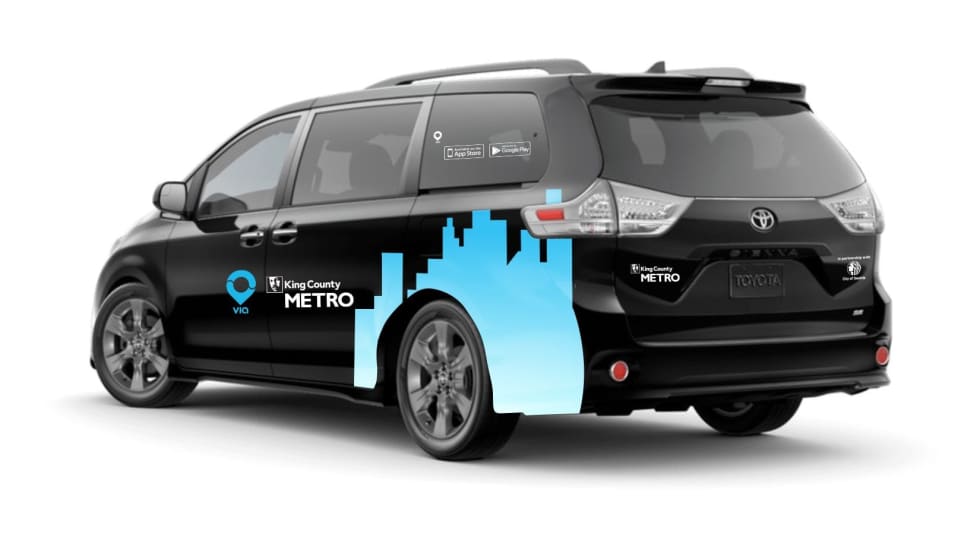
Read More →The year-long pilot project is partly funded by $2.7 million from the voter-approved Seattle Transportation Benefit District.
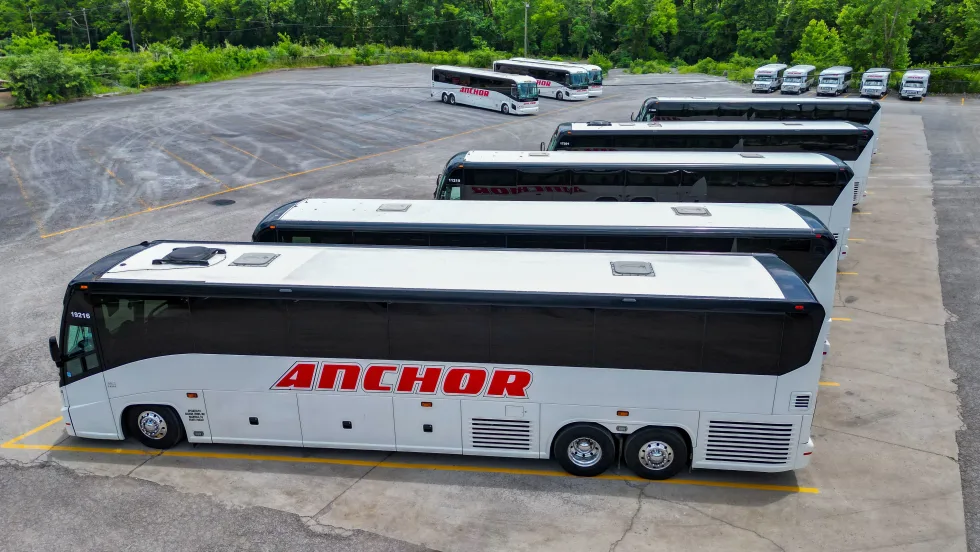
Read More →Driven by a people-first culture and data-driven innovation, Anchor Transportation has built a safety-focused, values-led operation that continues to redefine excellence in the motorcoach industry.
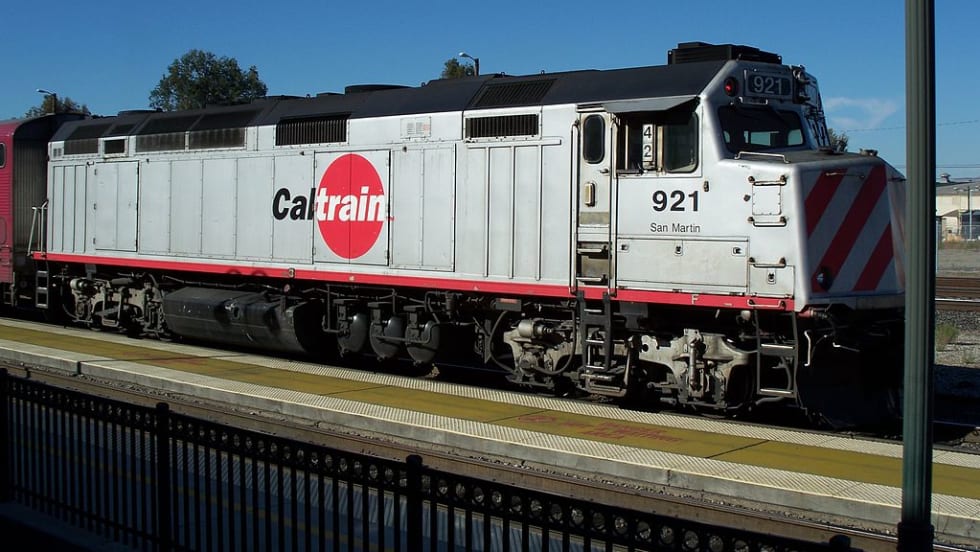
Read More →BART is in negotiations with a vendor to install Wi-Fi in the transit system’s 46 stations and aboard all of its 775 new cars, with hopes of having a deal by the summer, with Caltrain set to have Wi-Fi on its new trains by 2022.
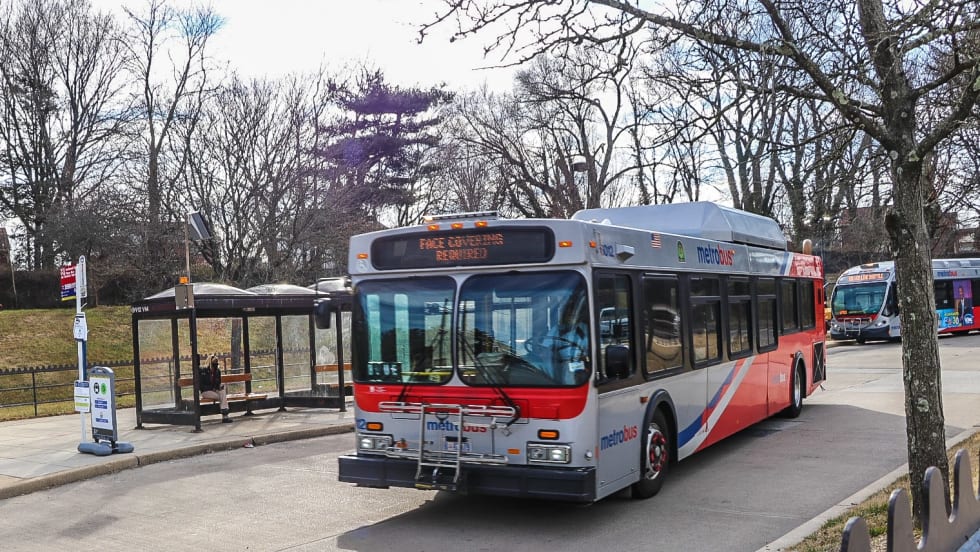
Read More →Approved as part of WMATA’s Strategic Transformation Plan, the expanded program introduces new pricing and participation options that make it easier for colleges and universities to join and for more students, such as part-time, community college, and graduate students, to benefit from accessible transportation.
Read More →