
Metro Magazine

 MENU
 SEARCHMENUSEARCH
Loading data...
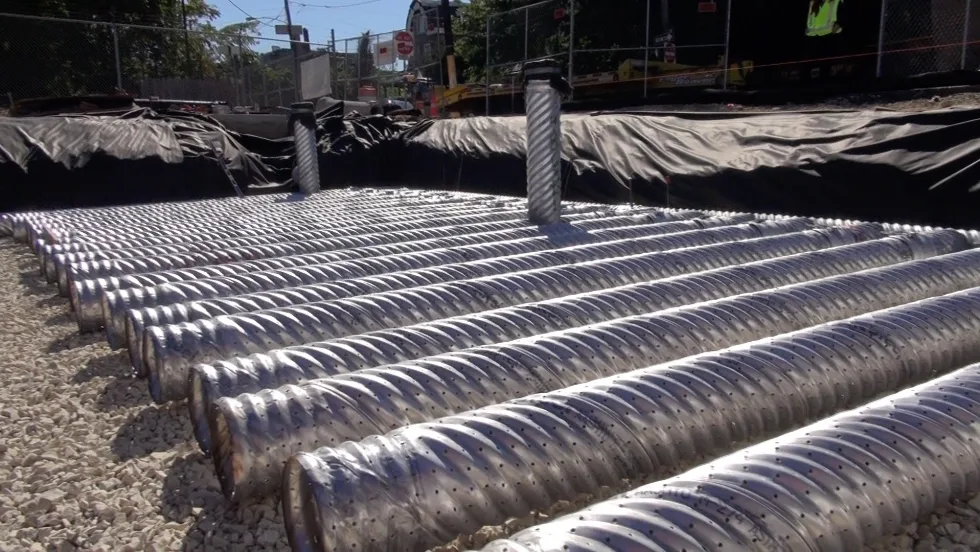
The success of the SEPTA’s first Sustainability Program Plan has resulted in the passage of a second-generation plan —“SEP-TAINABLE 2020”— and made sustainability a core principle for the Authority’s day-to-day operations. Even seemingly easy changes, like replacing fluorescent lights with LED lights have made a difference to the triple bottom line. The plan was recently approved by the SEPTA Board.
Read More →



By working in tandem, these elements will result in better public transportation infrastructure, more egalitarian access to transit options, affordable or free services, and a healthier environment.
Read More →A look at some of the products on the EXPO 2014 show floor in Houston.
Read More →Even if a community offers choices, such as paratransit services, they may fail to provide the responsiveness, flexibility, and independence desired by a retiring Baby Boomer generation.
Read More →lstom is supplying 34 Citadis Spirit vehicles and 30 years of maintenance services to the Rideau Transit Group that was selected to design, build, finance, and maintain phase 1 of the O-Train Confederation Line.
Read More →To assure a smooth transition, the Board of Directors has appointed APTA VP – Member Services Richard A. White as acting president/CEO of APTA.
Read More →The firm’s experience in region includes the development and implementation of the Santa Clara Valley Transportation Authority’s light rail network, as well as work at the Norman Y. Mineta San Jose International Airport.
Read More →Helsinki aims to transcend conventional public transport by allowing people to purchase mobility in real time, straight from their smartphones.
Read More →Craig Shankwitz will lead the development of MSU's Western Transportation Institute research team that will explore and develop applications of autonomous and connected vehicle technologies to roads and transportation systems in rural areas and small cities, in both the public and private sector.
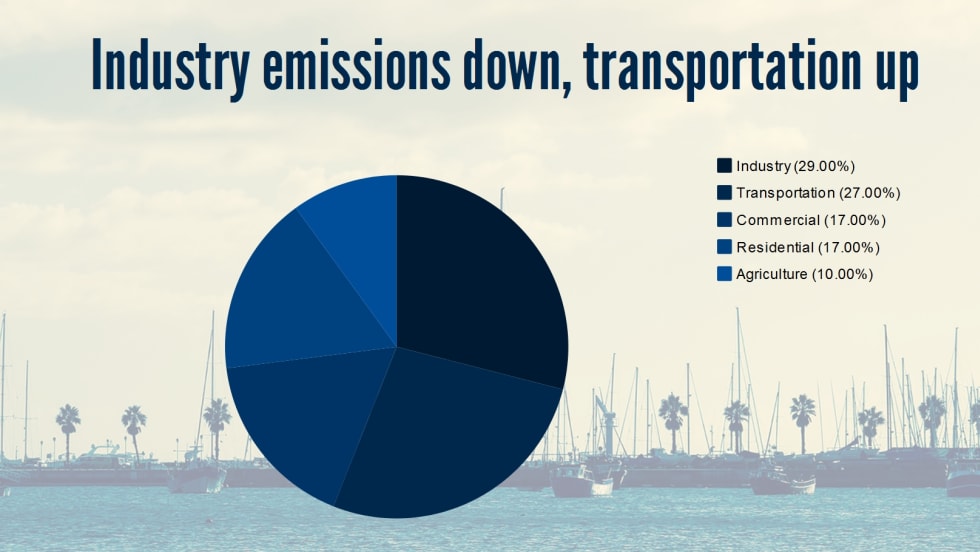
Read More →Industry, still the nation's largest emitter, accounts for about 29% of all emissions — down from nearly 36% in 1990. However, transportation — the country's second-largest contributor to greenhouse emissions — has increased its share from 24% in 1990 to 27% in 2014.
Read More →