




RELATED: No. 7 Subway Extension Brings Rail to N.Y.'s Hudson Yards
WSP | PB expands NorCal ops with San Jose office
The firm’s experience in region includes the development and implementation of the Santa Clara Valley Transportation Authority’s light rail network, as well as work at the Norman Y. Mineta San Jose International Airport.
June 7, 2016
2 min to read
WSP | Parsons Brinckerhoff is expanding its Northern California operations with a new office location in Silicon Valley.
The firm has managed infrastructure projects in the Bay Area for more than 60 years, and this new office, located at 2025 Gateway Place, Suite 348 in San Jose, consolidates the firm’s offerings in the environment, buildings and transportation sectors.
The firm’s experience in Santa Clara County includes the development and implementation of the Santa Clara Valley Transportation Authority’s (VTA) light rail network, as well as work at the Norman Y. Mineta San Jose International Airport, Levi’s Stadium in Santa Clara, and several buildings in San Jose, including the Judicial Council of California’s Santa Clara Family Justice Center, Avaya Stadium, and two towers across from City Hall for SJSC Properties LLC.
The firm has also contributed to the SR 237 express lanes project in Milpitas/San Jose, the downtown San Jose light rail transit efficiency study for the VTA; a study of transit options between SR 87 and SR 101 for the City of Cupertino; the I-680 corridor study between SR 101 and the Santa Clara County line for the VTA; systems design for a 10-mile extension of the Bay Area Rapid Transit system to San Jose; and due diligence and environmental compliance services for a local commercial developer at locations in San Jose, Palo Alto and Cupertino.
WSP | Parsons Brinckerhoff, which also has offices in San Francisco and Oakland, has a long history of working in Northern California. Recent and current projects in San Francisco include Presidio Parkway and Central Subway, the new east span of the San Francisco-Oakland Bay Bridge, and numerous buildings, including the Transbay Transit Center; the Salesforce Tower; the Strand Theater; a residential tower at 100 Van Ness Avenue; and an office tower at 350 Mission Street.
More Management
CATS Launches West Charlotte Microtransit Zone, Expands Transit Services
The new microtransit zone connects residents to key destinations as Charlotte Area Transit System rolls out the first phase of its 2055 Transit System Plan.
Read More →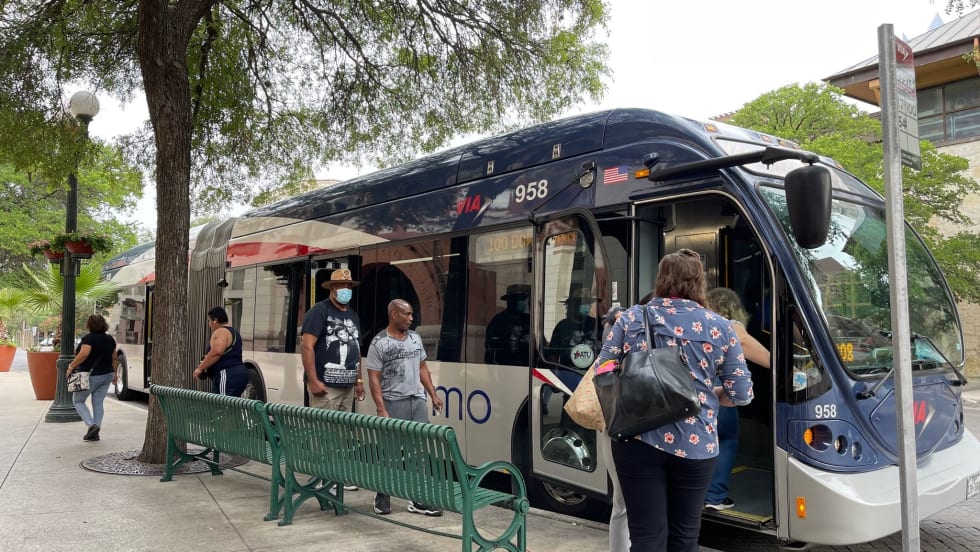
VIA Bus Ridership Grows 10.1% Through August 2026
San Antonio's VIA Metropolitan Transit reported the highest bus ridership growth among major Texas transit systems. Federal Transit Administration data ranked it second among the nation's 50 largest transit systems.
Read More →
CSA Group Releases Climate Resilience Standard for Transit, Passenger Rail
Developed with support from the Standards Council of Canada, CSA D700 guides assessing climate-related risks and planning adaptation measures for transit and passenger rail systems.
Read More →
ETA CEO John Maglio on Transit Technology, Innovation, and Building Agency Trust
ETA founder and CEO John Maglio explores the evolution of transit technology, the importance of reliable systems, and how stronger partnerships can help agencies improve operations and the passenger experience.
Read More →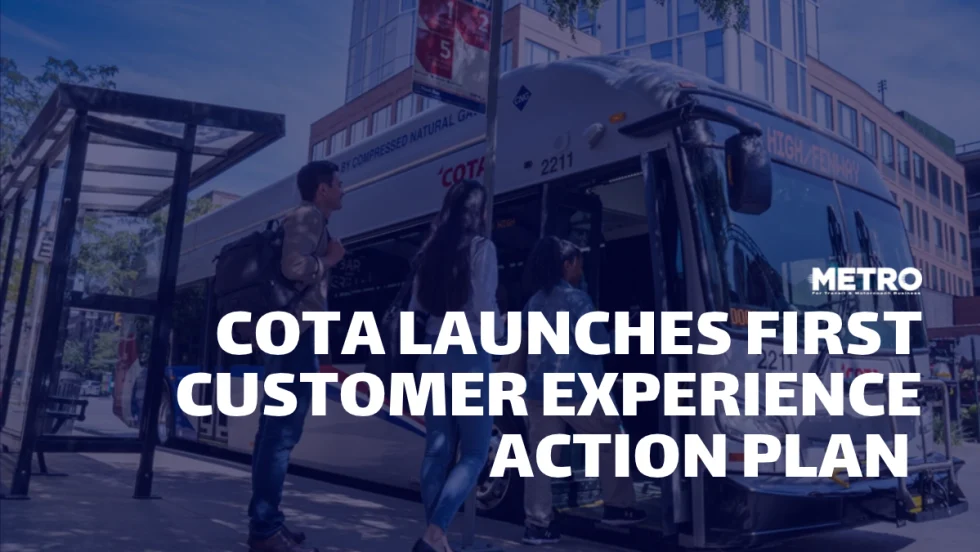
COTA Launches First Customer Experience Action Plan to Improve Transit Service
The new plan outlines improvements to service reliability, accessibility, communication, and the overall rider experience across Central Ohio's transit system.
Read More →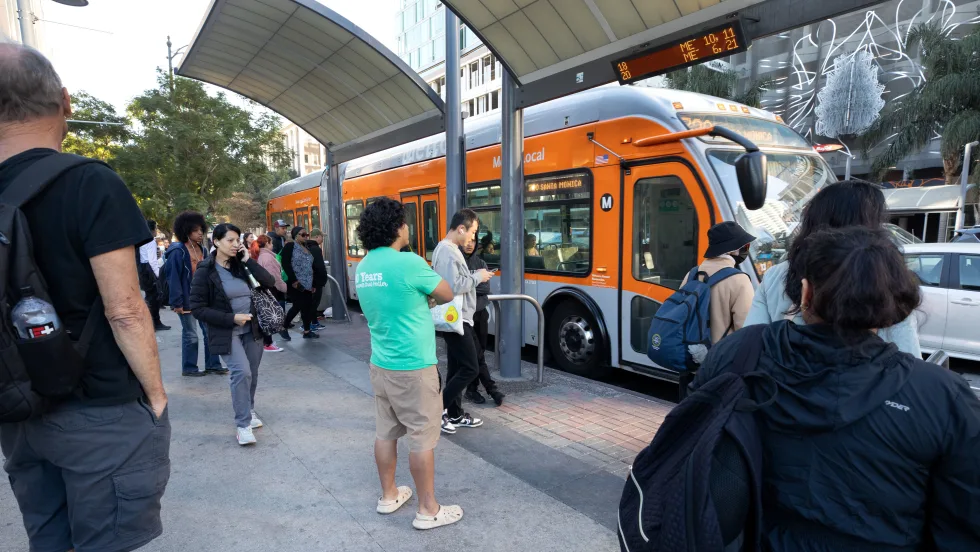
LA Metro September Ridership Climbs 3.9%, Led by Rail Growth
The agency recorded more than 27.2 million boardings, with rail ridership increasing 12.4% year over year and the D Line posting the largest gains.
Read More →
Utilimarc Launches SmartReplace to Optimize Fleet Replacement Decisions
AI-powered SmartReplace helps fleets prioritize vehicle replacements, model budget scenarios, and build more defensible long-term strategies.
Read More →
APTA Honors 2026 Award Winners, Hall of Fame Inductees at TRANSform & EXPO
Innovations in autonomous and zero-emission transportation, standout transit systems, and industry leadership took center stage among this year's honorees.
Read More →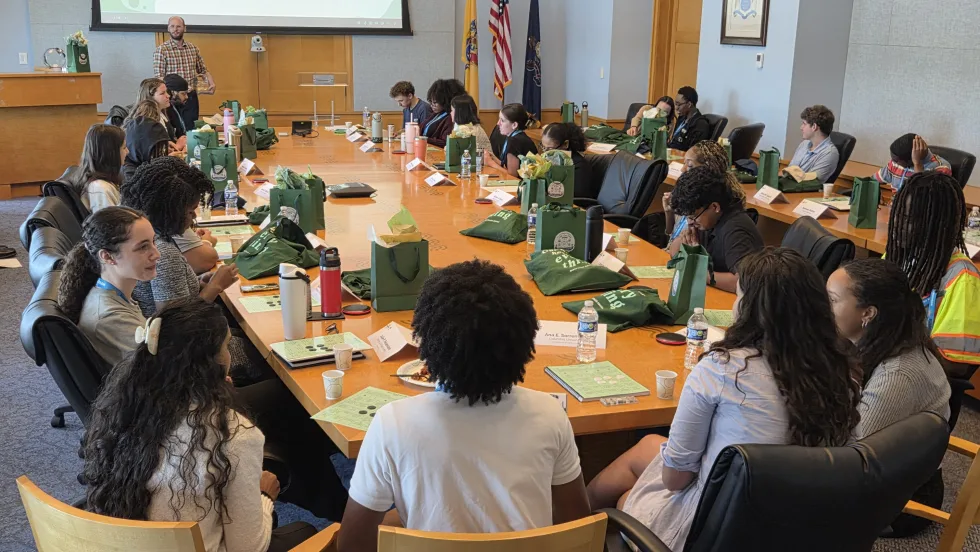
7 Ways to Build a Better Transit Internship Program
Lessons from DRPA/PATCO’s approach to creating a meaningful internship experience—and developing the next generation of transportation professionals.
Read More →
Scenes from APTA TRANSform & EXPO 2026
Transit leaders, manufacturers, and industry professionals gathered in Chicago to explore new technologies, share ideas, and discuss the future of public transportation.
Read More →