



How congestion pricing, MaaS, and new transit policies will benefit all
By working in tandem, these elements will result in better public transportation infrastructure, more egalitarian access to transit options, affordable or free services, and a healthier environment.


Congestion pricing should get many drivers thinking about the true cost of owning and operating a car in the U.S. out of their single-occupancy vehicles and into public transit or shared vehicles.
Creative Commons CC0
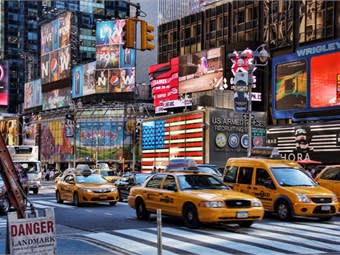
Congestion pricing should get many drivers thinking about the true cost of owning and operating a car in the U.S. out of their single-occupancy vehicles and into public transit or shared vehicles.
Creative Commons CC0
The Federal Highway Administration says, “There is a consensus among economists that congestion pricing represents the single most viable and sustainable approach to reducing traffic congestion.” Since adding more roadway lanes in or around city centers is very difficult, and highways are facing increasing demand, it makes sense that charging a premium to use limited roadways will reduce congestion. But does congestion pricing only help the rich?
At face value, the “haves” can afford to pay to drive in a less-congested toll lane, while the “have-nots” are stuck in traffic. Yet moving vehicles out of the congested lanes into toll lanes decreases congestion in the “slow” lanes, and when more people choose to share rides and take transit versus pay a fee, everybody wins. Revenue goes toward maintaining and increasing the efficiency of public highway systems in addition to the billions of dollars already invested in our street and highway systems, infrastructure, and parking.
A new congestion pricing study by TransForm featured in Streetsblog USA describes even more benefits. Revenue from congestion pricing can be reinvested and “lead to more frequent and affordable public transit, safer pedestrian and bicycle routes, and improved health outcomes for vulnerable communities — all important components of an equitable transportation system.”
Congestion pricing should get many drivers thinking about the true cost of owning and operating a car in the U.S. out of their single-occupancy vehicles and into public transit or shared vehicles. Letting others pay for the pleasure of driving in the fast lane will result in greater investments in public transit and when paired with the Green New Deal will help address climate change and renewable energy. Congestion pricing will be the foundation for making the transition from a car-worshipping society to a car-less society that is good for the environment and our mental health. It can be one of several tools that governments and private entities employ to improve mobility for all.
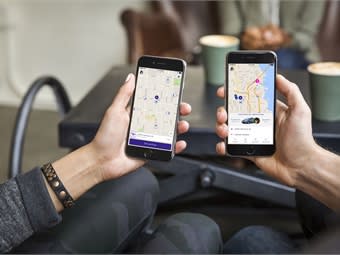
TNCs, including Lyft and Uber, are diversifying their offerings.
Lyft
MaaS appeal
How do we support both the “haves” and the “have-nots” as transportation continues to evolve and fewer people own vehicles? Mobility as a Service (MaaS), integrating modes of transportation, is another way to improve mobility equity. Rail lines, bus rapid transit, and high-usage bus lines need improvement. These high-ridership lines will continue to move the highest volume of people throughout the urban core. Look at the sheer number of travelers who cross the San Francisco Bay Bridge, New York’s Brooklyn Bridge, and travel throughout the Los Angeles city center.
Connecting transportation choices with public transit at the center of MaaS encourages greater use of transit and allows for transportation innovations that may come and go and can help sustain the system. For example, the transit industry as a whole is facing a driver shortage, from public transit to transportation network companies (TNCs) to delivery services. This labor shortage has people leaving rural areas to drive in urban centers as professional drivers or TNC contract staff, which puts more cars on the road. The current TNC model is not sustainable. Both major ride-hailing organizations are losing money. The investment community is no longer excited and is losing interest in the 2019 IPOs. Uber is diversifying into other areas of delivery and mobility to slow the losses. What happens after Uber changes or goes away? A new type of transportation organization could emerge to improve MaaS for all.
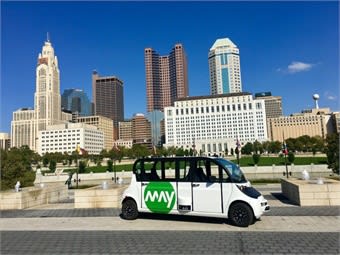
AV shuttles and other vehicles serve as much-needed first-/last-mile solutions for access to transit.
Drive Ohio
Policies that support new technology
Backed by public advocates, governments, and businesses will need to set policies and work together to move forward the development of new technologies including electric and autonomous vehicles (EV/AV). According to Amos Haggiag, local governments and agencies are already funding the addition of electric buses to fleets. His top prediction is that more electric buses can be expected in the U.S. and Europe.
AV shuttles and other vehicles serve as much-needed first-/last-mile solutions for access to transit, including commuter rail, but cities and transit agencies must learn how to manage AV pick-ups and drop-offs from TNCs or other private mobility providers. How will cities regulate their streets and curb space? Transit agencies, airports, hotels, and convention centers face similar issues around stations and feeder lines. Will state and local governments tax all vehicles or charge for vehicle miles traveled? There is time to work out EV/AV policies and logistics. We are years, if not decades, away from reaching fully automated AVs or Level 5 driving (fully autonomous self-driving), so like paper and cash, drivers are not going away in the short term.
Educating the public about innovations
Many people do not understand AV technology and are scared of the unknown. The New York Times article “Wielding Rocks and Knives, Arizonans Attack Self-Driving Cars” makes this case. Alternatively, at a recent AV conference in Palo Alto, Alex Epstein of the National Safety Council stated that 40% of Americans believe they can buy a car today that can drive itself without safety drivers. The general public needs educating about transportation advances.
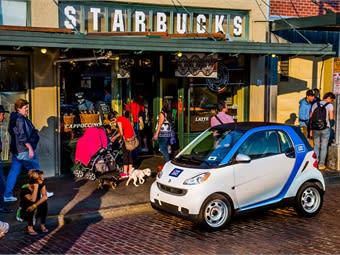
A little education will go a long way toward greater acceptance of mobility options that can improve transportation for all.
Via Car2Go
Justin Erlich of Voyage also commented that senior citizens will lead the AV revolution. The app GoGoGrandparent lets those without smartphones use TNCs. Early AV adoption is expected in gated retirement communities that have simple street layouts, less traffic, and great weather, such as Arizona, California, Florida, and Texas. Homeowner association members will have the option to increase their monthly dues to pay for this service.
Even if retirees get on board with AV/TNCs, mobility for all will not come overnight. Being stuck in traffic, greater vehicle ownership costs, and loss of productivity will continue to try our patience before significant transportation transformation occurs. By working in tandem, congestion pricing, MaaS, and policies that support transportation for all people will result in better public transportation infrastructure, more egalitarian access to transit options, affordable or free services, and a healthier environment.
A little education will go a long way toward greater acceptance of mobility options that can improve transportation for all.
Walter Allen, president and CEO of Acumen Building Enterprise Inc., is an infrastructure consultant.
More Blog Posts
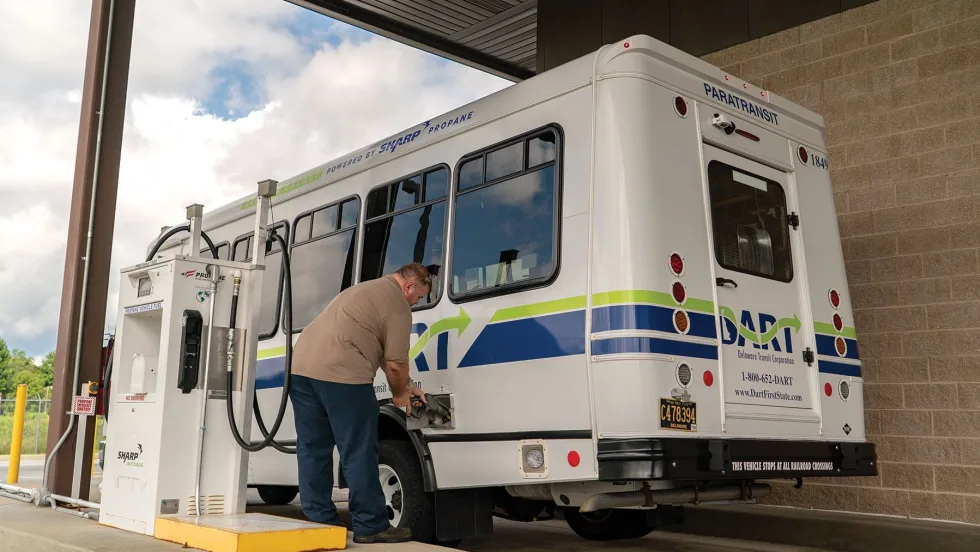
Building a Winning FTA Grant Proposal: Why Propane Autogas is the Pragmatic Choice for Fleet Resilience
With $610 million available through the FY 2026 Buses and Bus Facilities Competitive Program and the Low or No Emission Grant Program, agencies must build a compelling case before the September 21 deadline that balances environmental compliance with operational feasibility.
Read More →
Velo-city Conference 2026: Latest Trends in Cycling as Part of Urban Mobility
The global cycling conference highlighted how cities are integrating bicycles into multimodal transportation networks, expanding cycle tourism and reshaping urban mobility.
Read More →
Kindness Isn’t Soft...It’s Strategic.
Mike Bismeyer — often known as “The Kindness Guy” — has spent more than 17 years in public transit and mobility, serving in industry leadership roles, speaking across North America, and advocating for stronger workplace cultures. But his message doesn’t come from theory. It comes from lived experience.
Read More →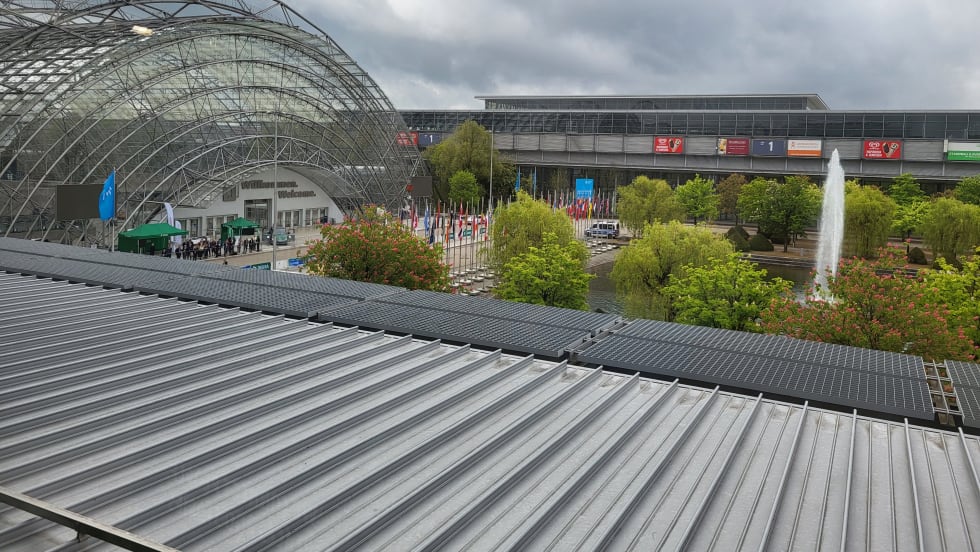
Inside ITF 2026: Transport Reacts to A Challenging World
Transport leaders from around the world gathered in Leipzig, Germany, for the 2026 International Transport Forum to discuss resilience, climate impacts, supply chains and the future of sustainable mobility.
Read More →
Every Ride Tells a Story — But You’re Not Just Selling the Ride
You’re selling the moment, the meaning, and the emotion behind it.
Read More →
How Digital Signage is Reshaping the Traveler Experience at Transportation Hubs
What was once a landscape of static signs has evolved into a responsive, immersive environment powered by real-time visual communication.
Read More →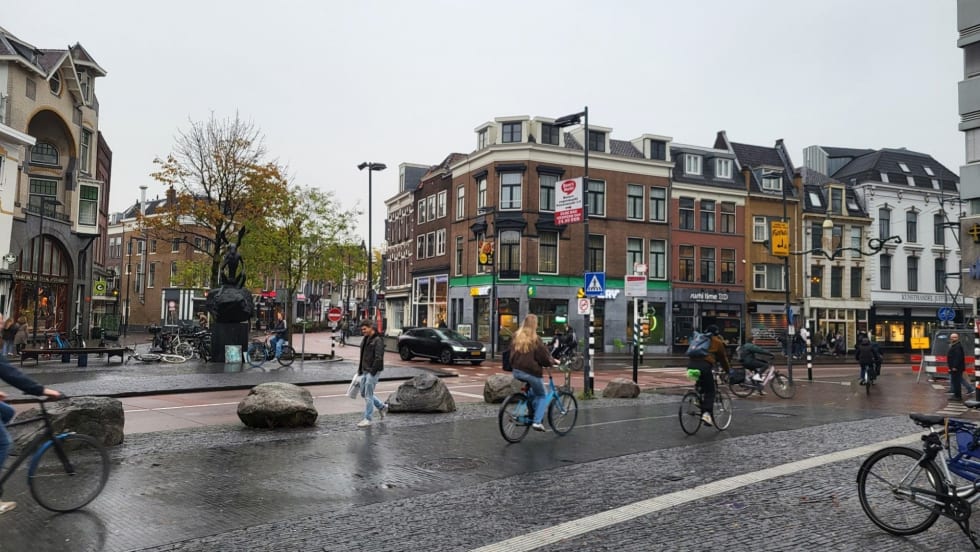
Latest Trends in Urban Mobility from Polis Conference 2025
Polis comprises cities and regions, as well as corporate partners, from across Europe, promoting the development and implementation of sustainable mobility. This year’s event had over a thousand attendees across various policy forums and an exhibition.
Read More →
Why Transit Leaders Require Better Tools for Operational Clarity In Today’s Tech-Fragmented Environment
Across North America and beyond, transit agency officials are contending with a perfect storm of operational headaches and strategic challenges that hamper daily service and long-term progress.
Read More →
The Powerless Brokers: Why California Can’t Build Transit
It is no secret that transit in the U.S. is slow and expensive to build.
Read More →
Why Transport Sustainability Should Focus on People Instead of Cars
Simply incentivizing electrification is not enough to make a meaningful impact; we must shift our focus toward prioritizing public transportation and infrastructure.
Read More →