
Metro Magazine

 MENU
MENU SEARCHMENUSEARCH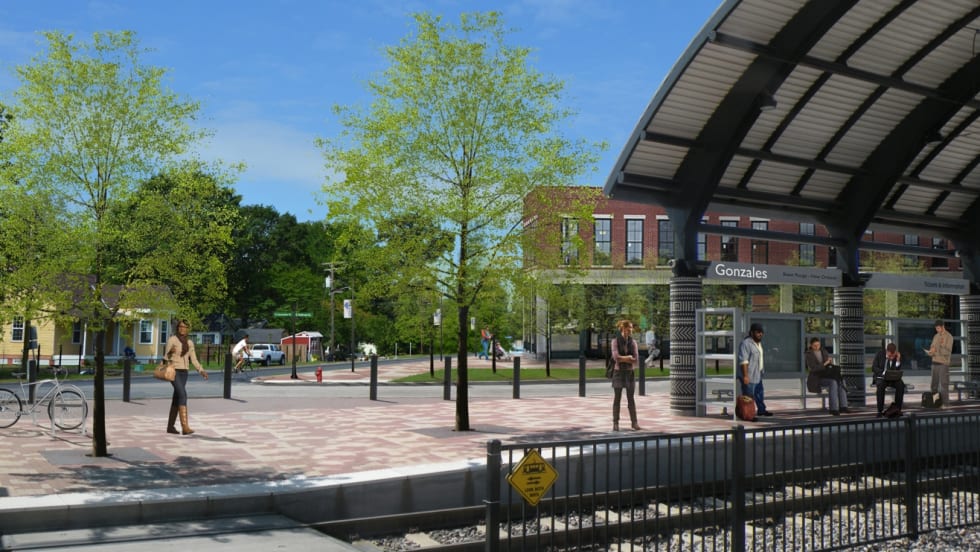
The timeline for the new service will take several years, since commuter train line has not existed between the two cities previously and a source of local public funding must be identified.
Read More →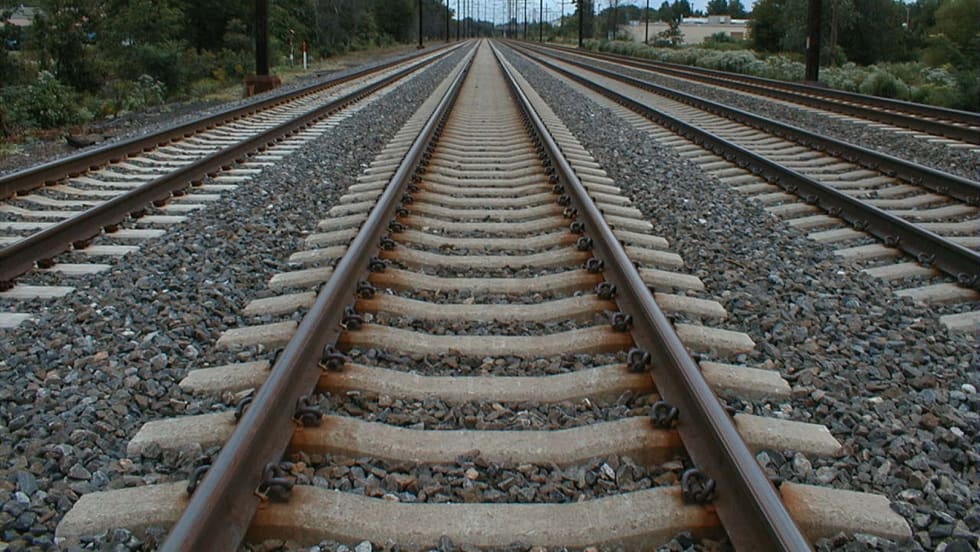
Recommendation's include adding new tracks to increase the Northeast Corridor to four tracks in most locations, which would allow for more frequent and faster service.
Read More →
FRA reports that passenger railroads increased their percentage to 23% this quarter compared to 22% last quarter. The measurable progress made by passenger railroads has been predominately on the west coast.
Read More →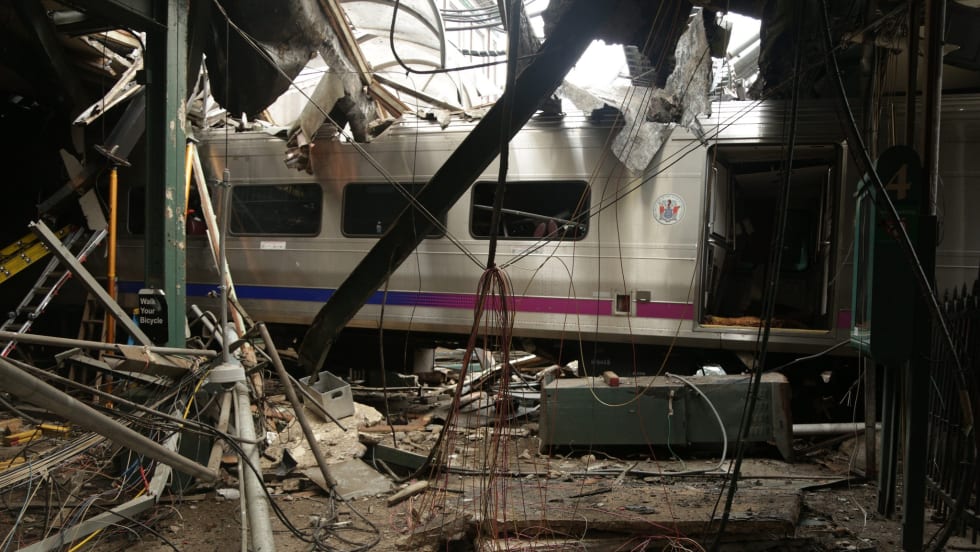
The agency disclosed a policy change that will prevent engineers suffering from sleep apnea to operate a train unless they are being treated, while federal regulators prepare a safety bulletin that will urge all railroads to screen for sleep apnea.
Read More →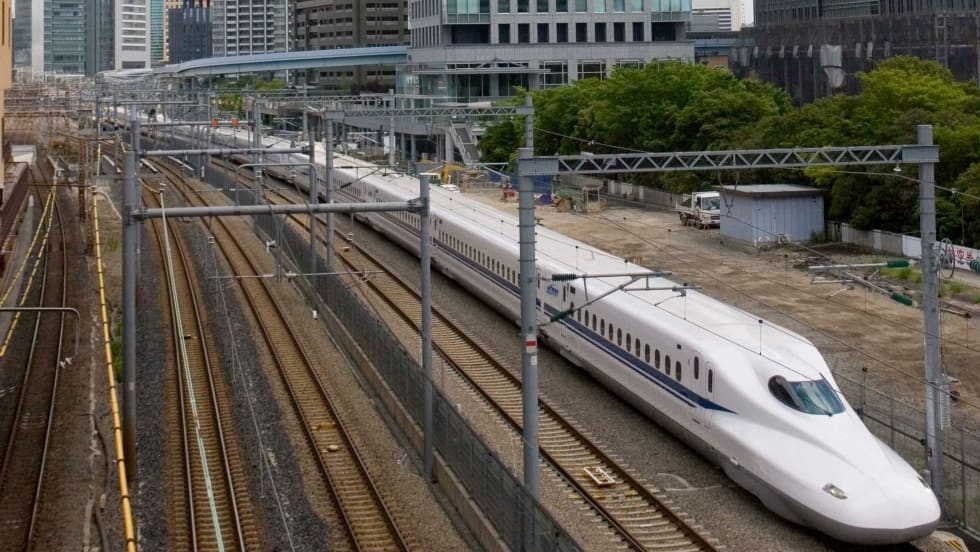
The updates would offer an alternative method for evaluating how well passengers and crews are protected in an accident, often called crashworthiness.
Read More →
Implementation is expected to cost the commuter rail industry more than $3.5 billion in capital expenditure, which includes over $16 million in spectrum acquisition, as well as $100 million annually in additional maintenance costs.
Read More →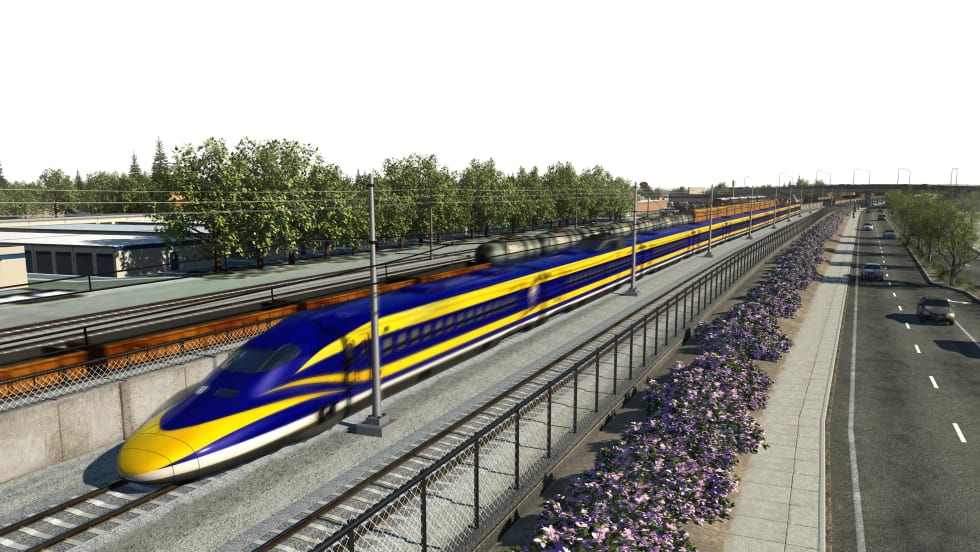
The rail authority’s 2016 business plan estimated the trains would cost about $3.4 billion, making them one of the most expensive parts of the system.
Read More →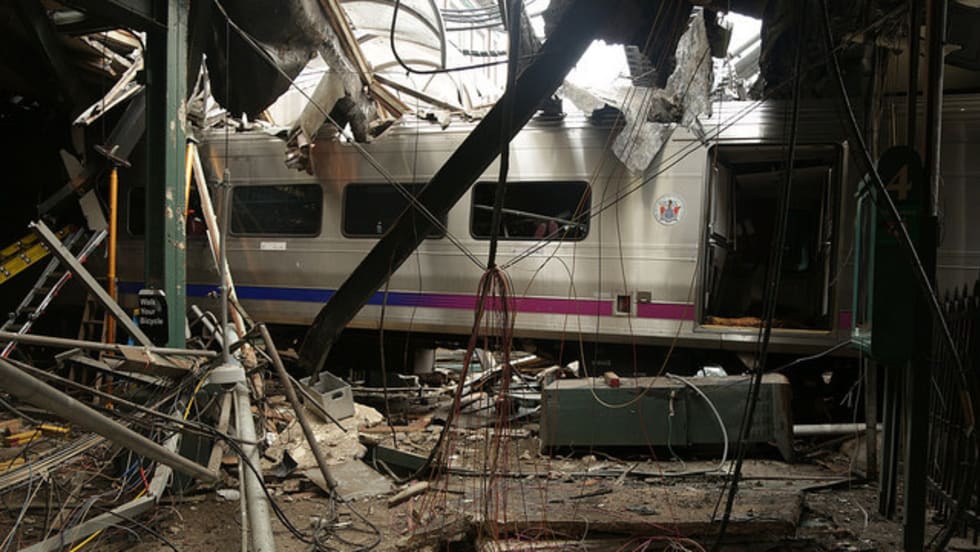
Violations include trains stopping too close to each other and workers using cell phones when they shouldn't have.
Read More →
The agency and its contract builder and operator Denver Transit Partners received an extension of their waiver from the FRA, allowing for continued operation of University of Colorado A Line and B Line.
Read More →
Received 40 eligible applications requesting $67.5 million, nearly three times the $25 million that Congress provided in the 2016 Consolidated Appropriations Act that funds DOT.
Read More →