



Fed review finds numerous safety violations on NJ Transit commuter rail
Violations include trains stopping too close to each other and workers using cell phones when they shouldn't have.

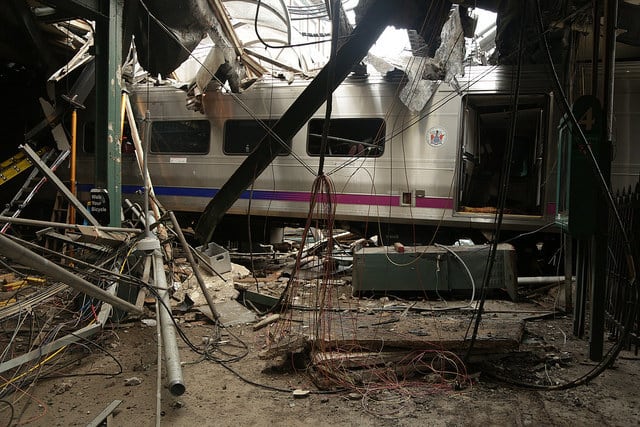
NJ Transit Pascack Valley Line train #1614 crashed at the New Jersey Transit Hoboken Terminal Sept. 29, 2016. NTSB photo by Chris O'Neil
NJ Transit Pascack Valley Line train #1614 crashed at the New Jersey Transit Hoboken Terminal Sept. 29, 2016. NTSB photo by Chris O'Neil
TRENTON, N.J. — Federal regulators have found numerous safety violations on New Jersey Transit's (NJT) commuter rail system, including the lack of on-board emergency tools and working fire extinguishers, trains stopping too close to each other and workers using cellphones when they shouldn't have, reported the Associated Press.
NJT Executive Director Steve Santoro disclosed the findings on Friday to a panel of state lawmakers investigating the agency after a fatal train crash in Hoboken in September, according to the report.
Santoro said the Federal Railroad Administration's review also found train engineers sometimes failed to blow horns at grade crossings, as required by law, and didn't always perform required brake checks, the AP said.
For the full story, click here.
More Security and Safety
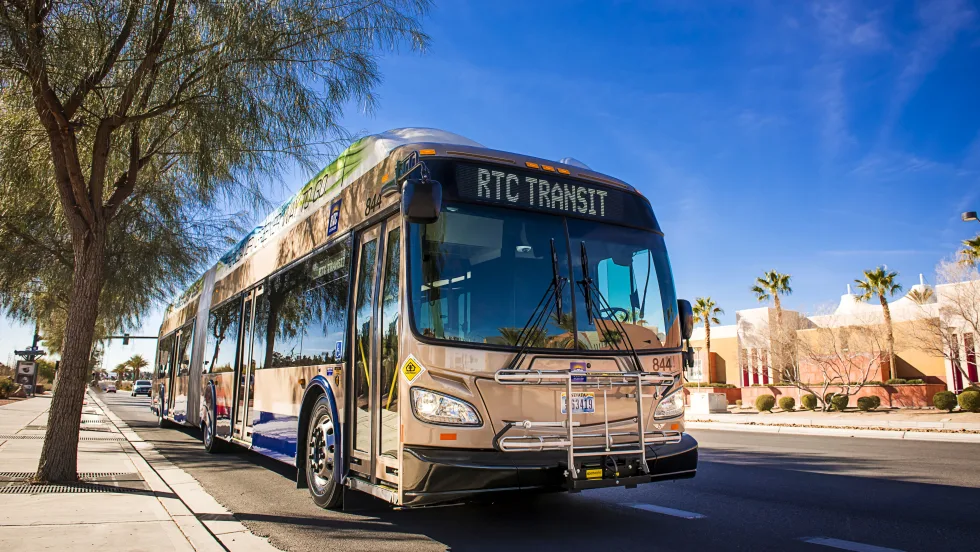
RTC Reports Nearly 29% Drop in Transit Operator Assaults
The Las Vegas agency credits expanded security measures, training, and technology for improved safety in FY 2026, while security officers have helped save 19 lives through overdose-response efforts.
Read More →
Improving Transit Safety and Reliability Through AI
Hayden AI’s Chief Growth Officer, Charley Territo, discusses how AI-powered camera enforcement is helping transit agencies keep bus lanes and stops clear, improve accessibility, and move from pilot programs to full-scale deployments.
Read More →
Study: Denver RTD Generates $2.1 Billion in Annual Economic Activity
An economic impact study finds the agency supports approximately 17,500 jobs, delivers $1.6 billion in annual community and mobility benefits, and generates $2.42 in economic value for every dollar invested.
Read More →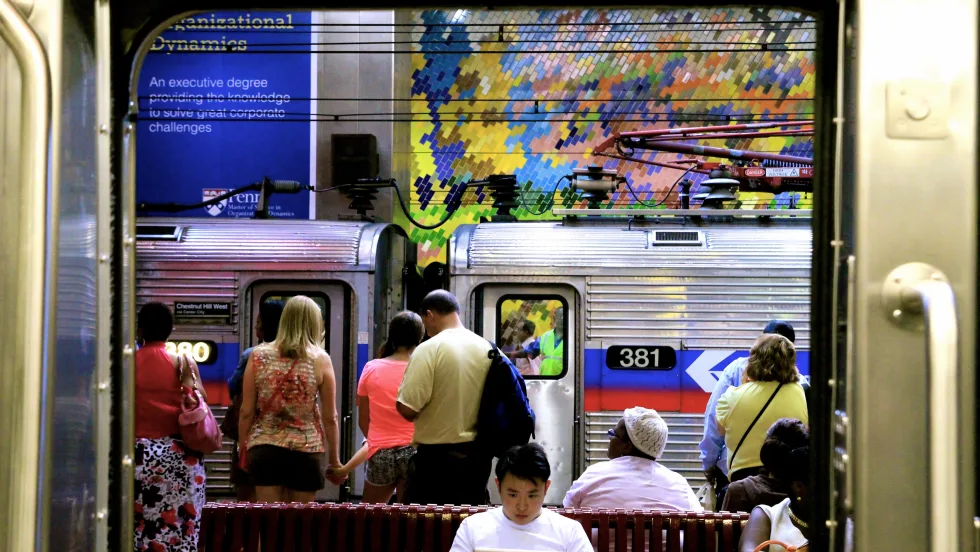
SEPTA Launches 'Reach' Program to Connect Vulnerable Individuals with Support
The initiative deploys specialists throughout Philadelphia’s transit system to connect individuals with housing, healthcare, and social services while addressing safety and quality-of-life concerns.
Read More →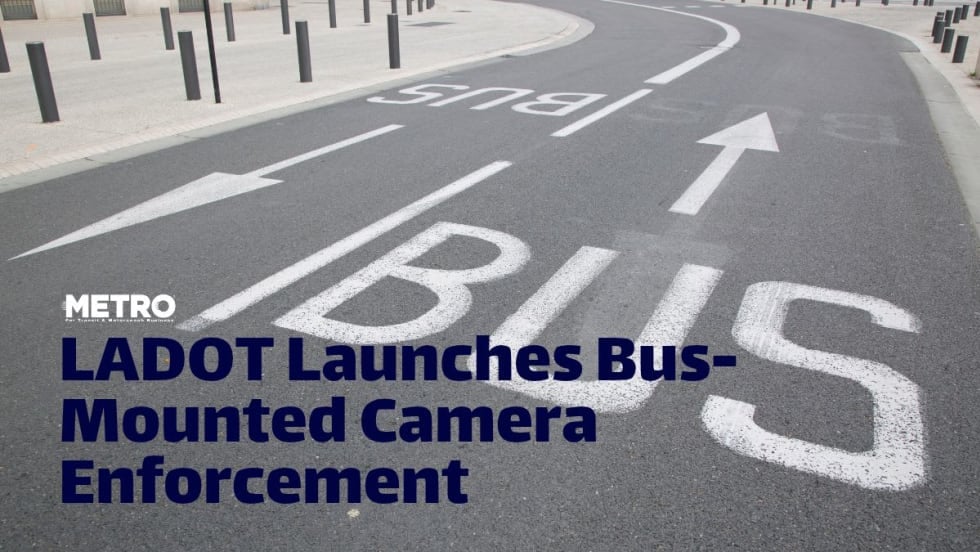
LADOT to Launch Bus-Mounted Camera Enforcement on DASH Buses
The program will begin with a 60-day warning period before citations are issued in January 2027, joining similar efforts across Southern California to improve bus reliability, safety, and accessibility.
Read More →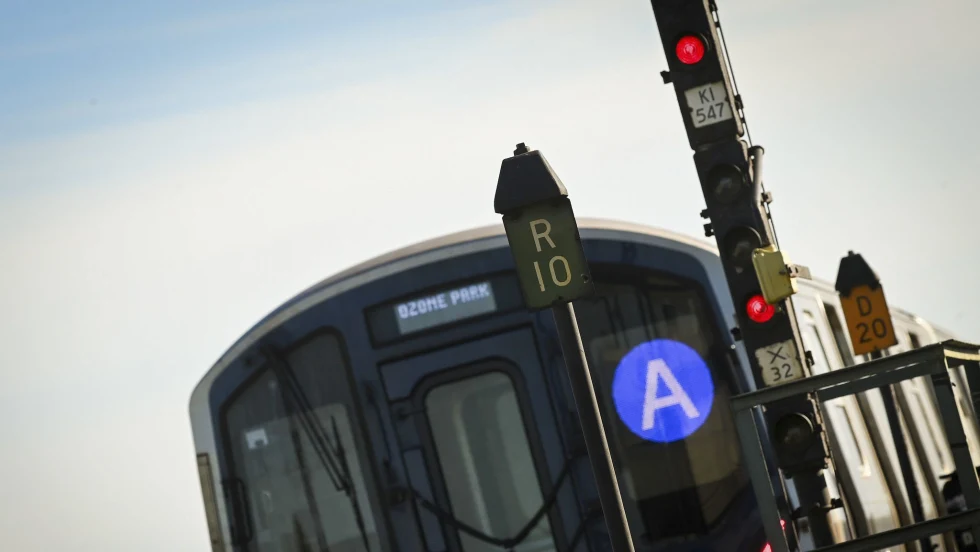
New York MTA Launches Historic $1.9B Signal, Track Modernization Project
Funded in part by congestion pricing revenue, the project will replace nearly century-old signals along the A and C lines in Brooklyn and Queens.
Read More →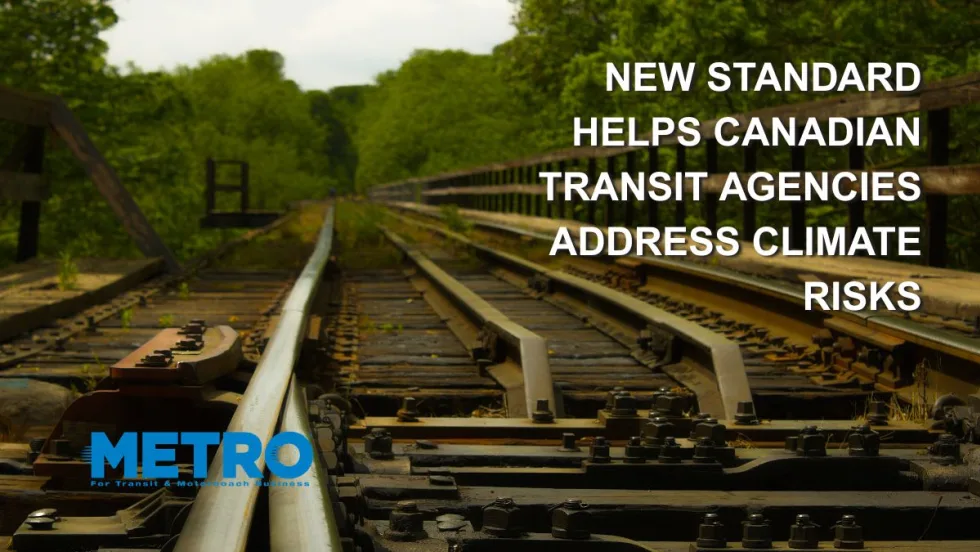
CSA Group Releases Climate Resilience Standard for Transit, Passenger Rail
Developed with support from the Standards Council of Canada, CSA D700 guides assessing climate-related risks and planning adaptation measures for transit and passenger rail systems.
Read More →
San Diego MTS Approves New Fare Evasion Penalty Program
The new administrative process will move eligible violations out of the criminal court system, cap penalties at $125, and provide flexible payment options for riders.
Read More →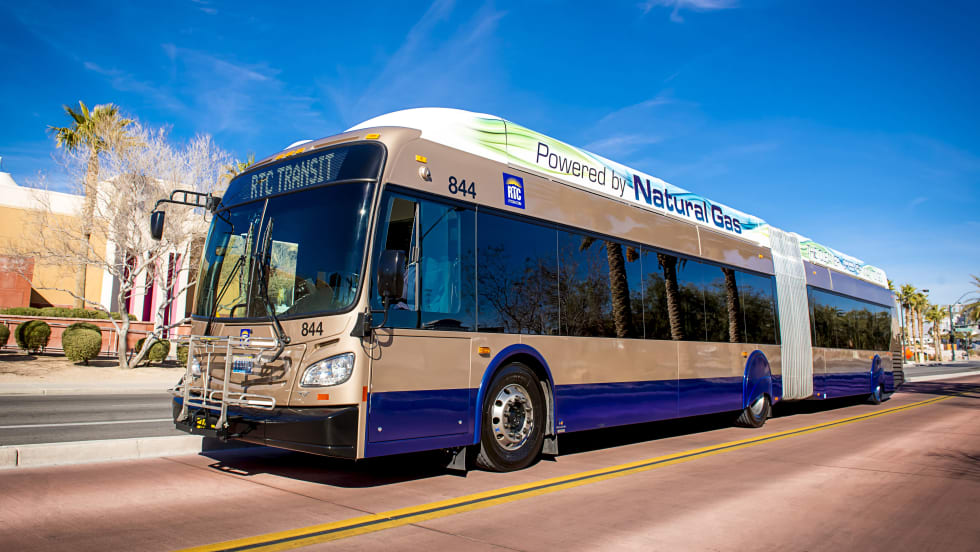
RTC of Southern Nevada Reports 29% Drop in Transit Operator Assaults
The agency credits expanded security measures, employee training, and technology investments for improvements in transit safety, while security officers have responded to 19 suspected overdoses since July.
Read More →
Public Transit Conference Returning to GFX in 2027, Call for Papers Now Open
The Call for Papers is now open, allowing transit agency professionals and industry experts to help shape the PTC educational program by submitting session ideas for consideration.
Read More →