
Metro Magazine

 MENU
 SEARCHMENUSEARCH
Loading data...

Frequently replace lower-carbon options — such as public transit, walking, or biking — that consumers might have used otherwise.
Read More →


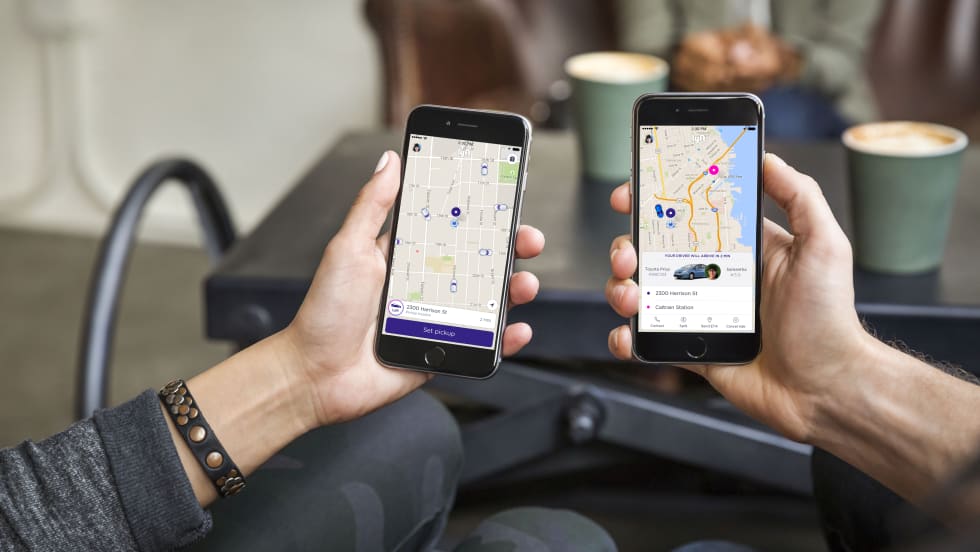
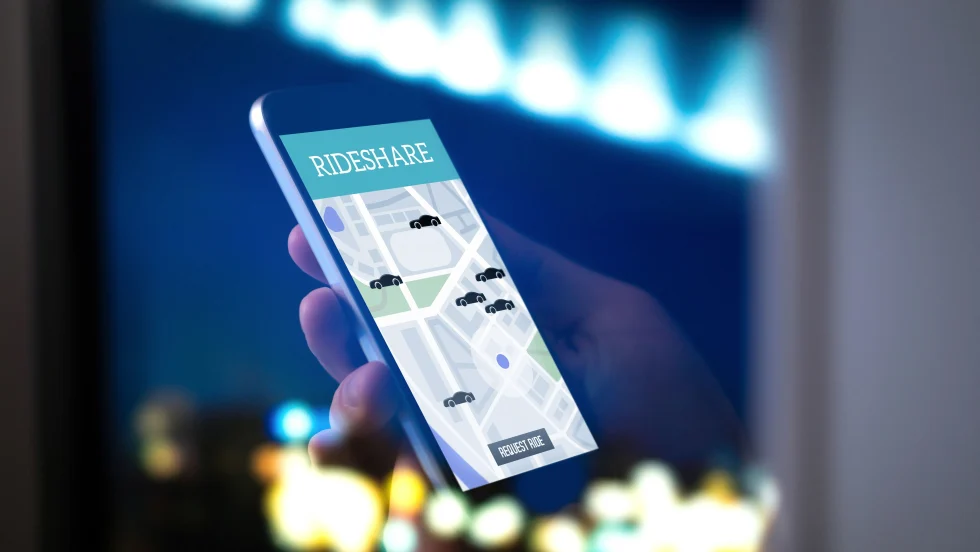

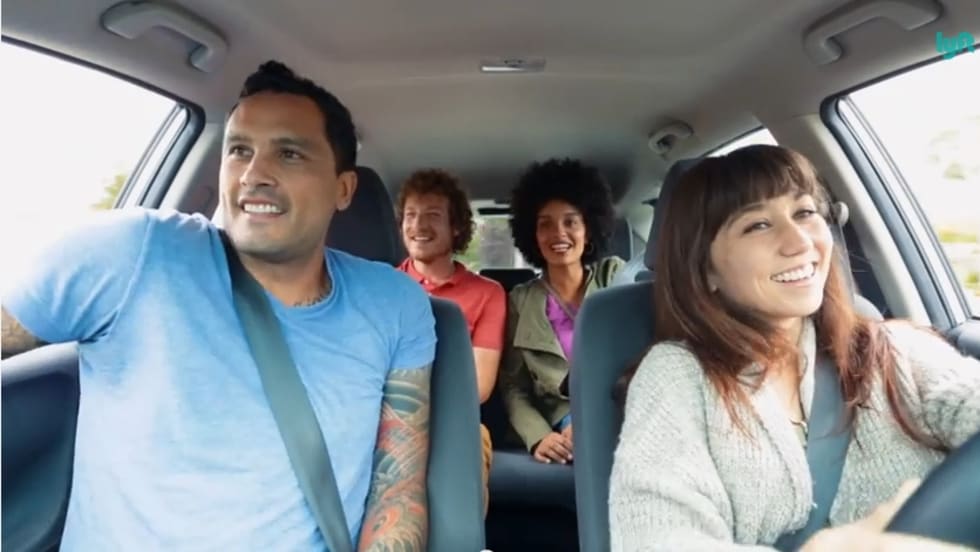
With ridership and costs up on systems around the nation, many are looking for ways to not only eliminate some of those costs, but also, in many cases, expand mobility for seniors and people with disabilities.
Read More →The decision was a win for disability rights activists who pressed WMATA officials to avoid companies such as Uber, because they lack vehicles with wheelchair-ramps and have been sued for alleged violations of the Americans with Disabilities Act.
Read More →Branded as Direct Connect, the second pilot program is designed to give low-cost Uber, Lyft, or taxi rides to designated bus stops to allow more citizens access to PSTA’s primary bus lines.
Read More →As representatives of their communities, universities share an important responsibility in providing multimodal forms of transportation that are both safe and sustainable.
Read More →The agreement means Uber and Lyft drivers will not be required to undergo the FBI fingerprint-based background check that the PTC wanted.
Read More →After TNCs enter a market, heavy rail ridership can be expected to decrease by 1.3% and bus ridership by 1.7%.
Read More →Decisionmakers and planners are increasingly looking to the world of private microtransit to optimize their existing service.
Read More →Soon-to-emerge technologies will optimize processes and bring greater efficiency to the nation’s transportation networks.
Read More →The report, which is especially relevant for transportation and environmental planners, was developed bythe Mineta Transportation Institute.
Read More →