
Metro Magazine

 MENU
 SEARCHMENUSEARCH
Loading data...
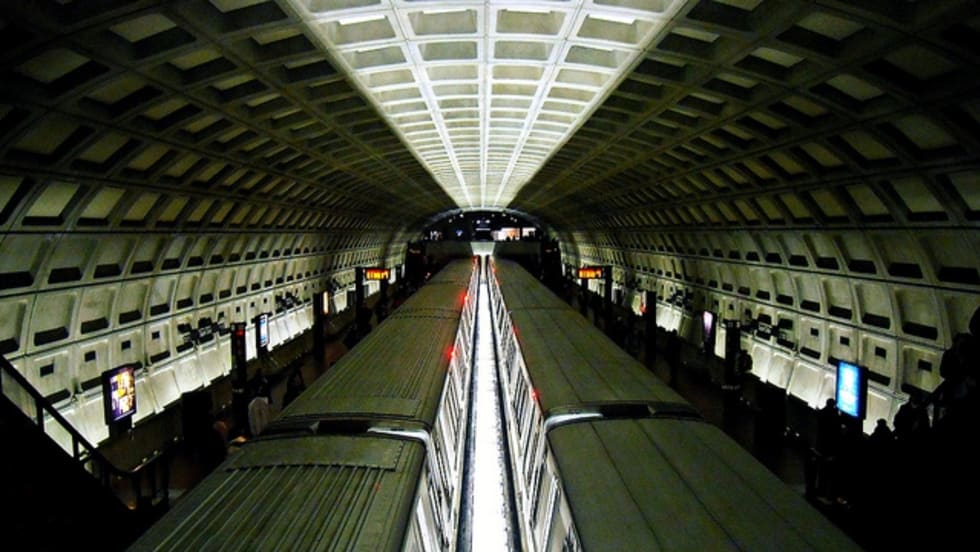
Starting early next month, in a process known as automatic train operation, computers will take over driving a half-dozen Red Line trains daily during non-peak hours, Metro GM Richard Sarles said.
Read More →
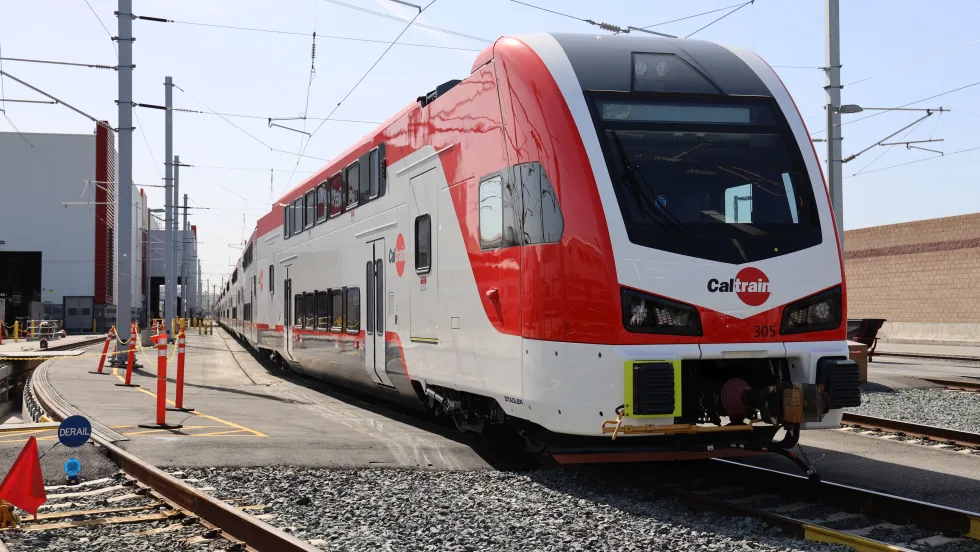





The first driverless train was produced at a factory in Hong Kong in March of this year.
Read More →Using AI, RailSentry provides alerts and data that help keep railroad crossings safe and reduce collisions by trains.
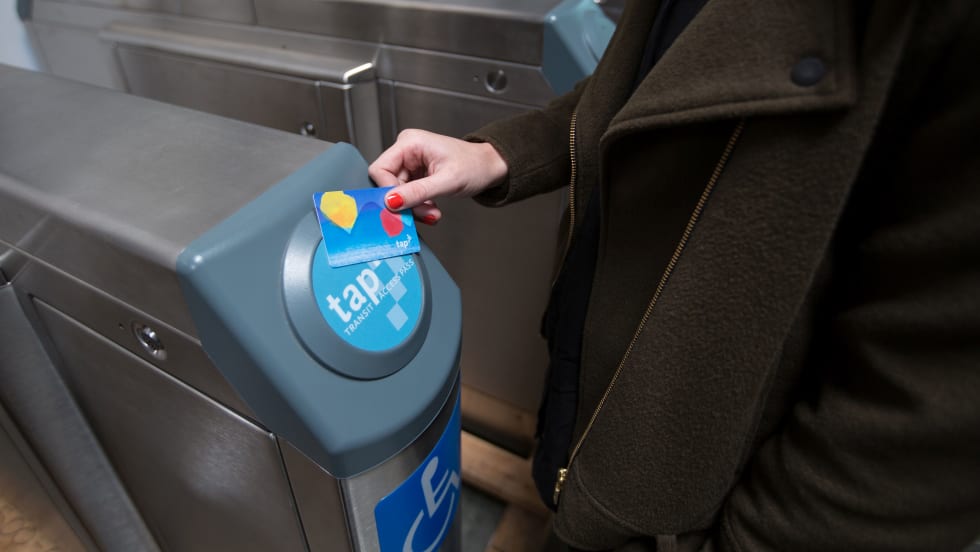
Read More →When a transit agency offers fare capping and allows customers to pay as they go with their own contactless card or smart device — also called open loop payments — the benefits can multiply.
Read More →Dr. Carol Parker Walsh discusses leadership development, employee retention, workplace culture, and preparing transit’s workforce for AI and automation.
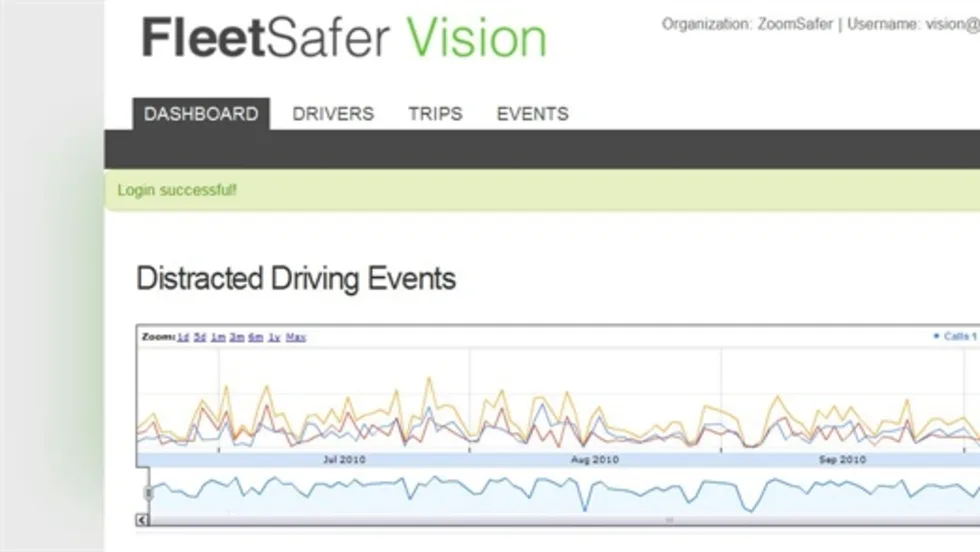
Read More →ZoomSafer's new software service helps fleet operators and risk managers measure and manage employee use of mobile phones while driving, regardless of the type of phone used. FleetSafer Vision is a driver behavior modification solution that can support any type of phone and requires no on-device software.
Read More →Jennifer Aument, chief executive, global transportation for AECOM, is one of several top executives METRO spoke with for a consultant roundtable in the July issue.
Read More →Future capabilities may include directing direct visually impaired passengers to empty seats or training the vehicle to recognize sign language.
Read More →As transit agencies look to move ITS and other systems to cloud-based servers, the doors open to integrate with other technologies to both improve efficiencies and the passenger experience.
Read More →Commuter rail operator utilizing power washers and drones to reduce impact of slippery rail created by leaves, debris on tracks.
Read More →