
Metro Magazine

 MENU
 SEARCHMENUSEARCH
Loading data...

Funded in part by congestion pricing revenue, the project will replace nearly century-old signals along the A and C lines in Brooklyn and Queens.
Read More →


Stay informed with these quick takes on the projects and companies driving progress across the transportation landscape.
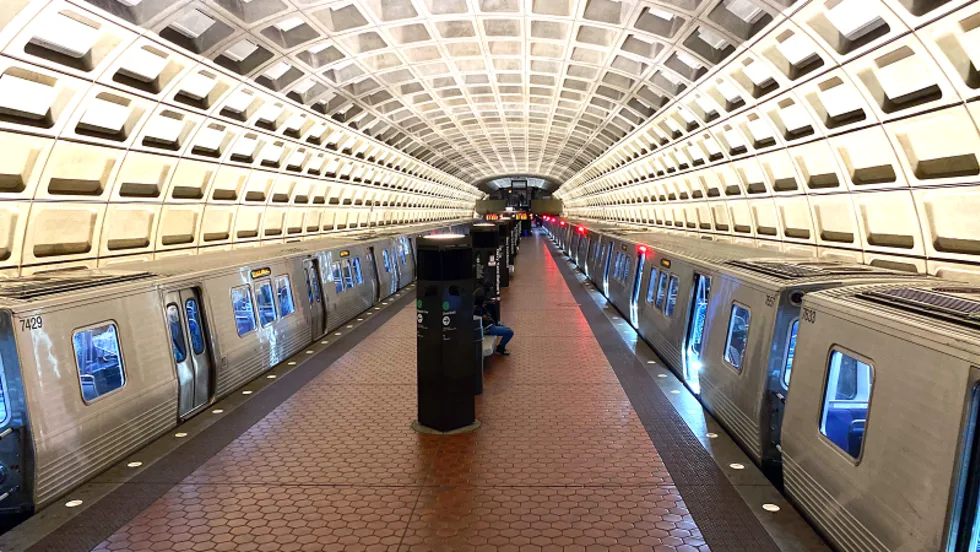
Read More →While recognizing regional economic constraints and continuing to improve service, the budget increases the jurisdictional subsidy to less than 1.8%, significantly below the inflation rate and the 3% regional target, said agency officials.
Read More →METRO’s Executive Editor Alex Roman to David Grannis, Executive Director of Zero Emissions Transit, about the project and its current timeline, its sustainability benefits, the impact it could have on the community, and more.
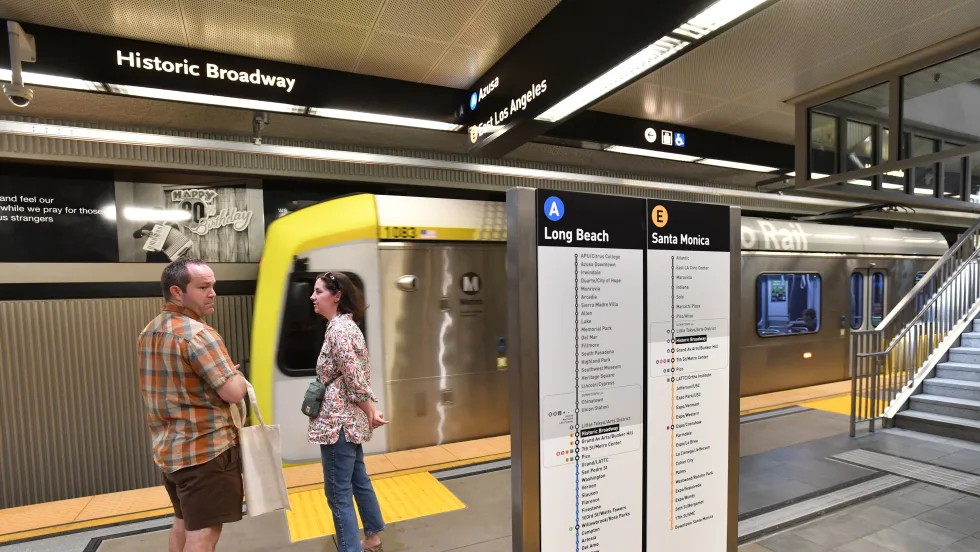
Read More →The 3.92-mile addition will soon take riders west beyond its current Wilshire and Western station in Koreatown, continuing under Wilshire Boulevard through neighborhoods and communities including Hancock Park, Windsor Square, the Fairfax District, and Carthay Circle into Beverly Hills.
Read More →The LA ART aerial gondola project aims to ease congestion and cut pollution in the Los Angeles region by connecting Union Station to Dodger Stadium. When completed, the gondola will serve underserved communities, including El Pueblo, Chinatown, Mission Junction, and Solano Canyon, and offer ADA-accessible cabins with space for strollers and bikes.
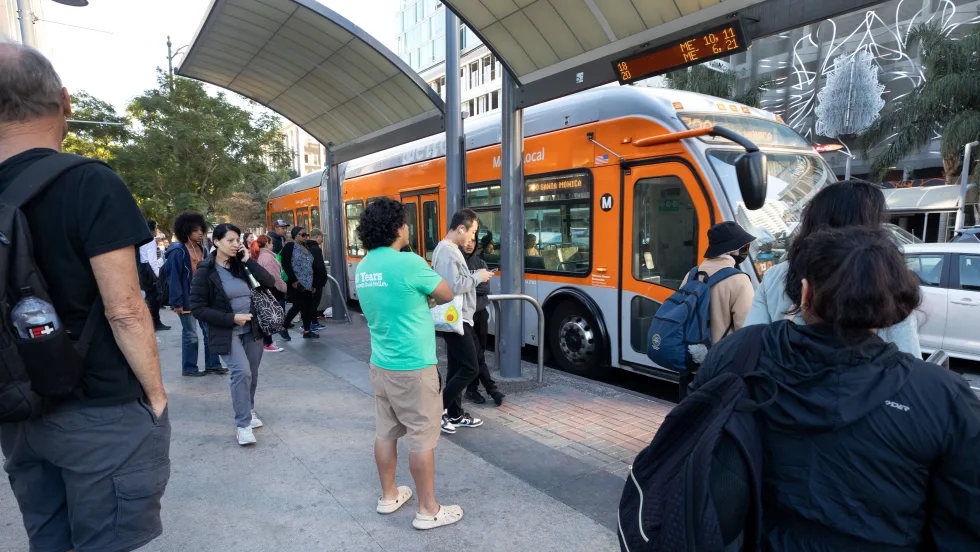
Read More →The 12.4-mile corridor is projected to serve 66,200 daily riders, reduce travel times by up to 24%, and create the nation's busiest bus rapid transit corridor.
Read More →The agency recorded more than 27.2 million boardings, with rail ridership increasing 12.4% year over year and the D Line posting the largest gains.
Read More →The $8.1 million Elk Grove Village investment nearly triples facility space while adding service capacity, parts storage, and customer amenities.
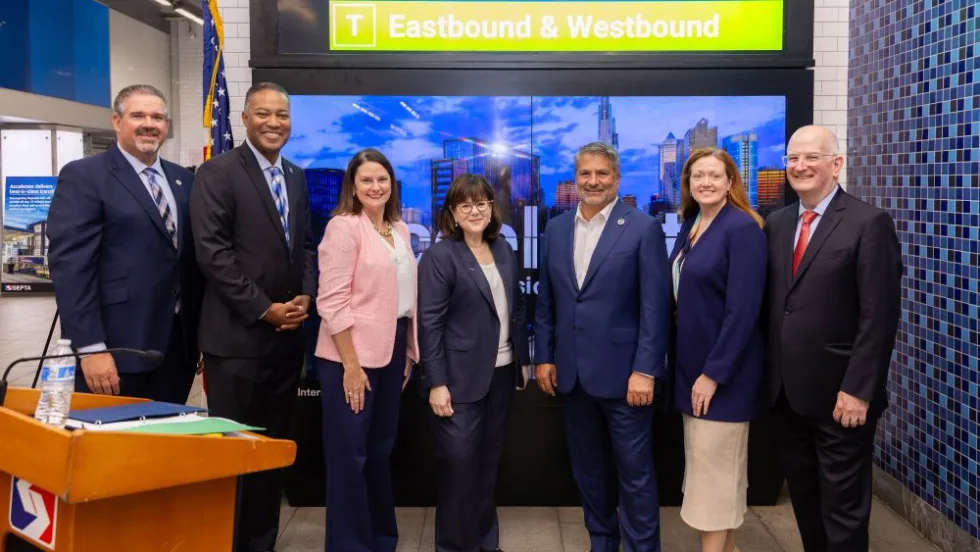
Read More →The plan outlines investments in trolley modernization, new Metro and Regional Rail vehicles, accessible stations, and more frequent bus and rail service.
Read More →