



LA Metro Breaks Ground on Vermont BRT Project
The 12.4-mile corridor is projected to serve 66,200 daily riders, reduce travel times by up to 24%, and create the nation's busiest bus rapid transit corridor.

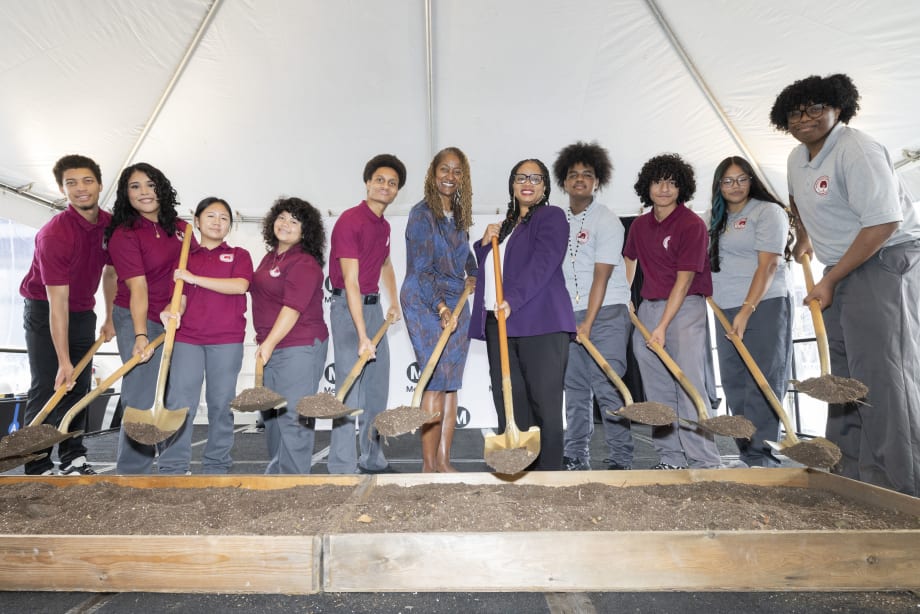
Expected to become the nation's busiest BRT corridor, the Vermont BRT Project will connect riders to four Metro Rail lines and major destinations while supporting more than 4,800 construction jobs.
LA Metro
- LA Metro has initiated construction on the Vermont Bus Rapid Transit project spanning 12.4 miles.
- The project is anticipated to serve 66,200 daily riders and significantly cut travel times by up to 24%.
- Upon completion, it is expected to become the busiest bus rapid transit corridor in the United States.
*Summarized by AI
LA Metro broke ground on the 12.4-mile Vermont Transit Corridor Bus Rapid Transit (Vermont BRT) Project, a major investment along Los Angeles County’s busiest route.
Projected to serve 66,200 daily riders, the Vermont BRT will deliver faster travel times, safer streets, and seamless connections for Angelenos while transforming one of the most heavily traveled transit corridors and creating the nation’s busiest BRT corridor.
“This is more than a bus route. As a former community organizer in South LA, I know personally that this project is a transformational investment that will deliver reliable and affordable transportation for more than 38,000 hardworking people who use this bus every weekday,” said Metro Board Chair Karen Bass. "By connecting South LA with Los Feliz, we’re creating good-paying union jobs, building a greener, more sustainable city, and connecting people to local businesses, healthcare, world-class institutions, and real economic opportunity.”
Unlike subway construction, riders will not have to wait until the entire line is complete to experience time savings. Once BRT bus lanes are ready, Metro riders can experience the system as the lanes are completed, said officials.
Connecting Key Destinations and More
The corridor serves as a critical regional link, directly connecting passengers to four Metro Rail lines, the B, C, D, and E Lines, and more than 13 east-west bus routes. It offers seamless access to major destinations including USC, Exposition Park, the Lucas Museum of Narrative Art, Los Angeles City College, Kaiser Permanente Sunset, 88 local schools and 375 faith-based institutions.
Over 21% of current Vermont Avenue riders rely on Metro’s GoPass program, which provides free transit to K-12 and community college students.
To tackle traffic bottlenecks where right-of-way widths vary from 55 to 160 feet curb-to-curb, the project introduces dedicated side-running bus lanes, transit signal priority, off-board fare payment, and all-door boarding. Together, these enhancements will slash end-to-end travel times by up to 24% and boost bus on-time performance along the corridor.
Beyond travel speed, the project redefines the streetscape across the 26 enhanced stations. Upgrades include brand-new weather and shade shelters, upgraded lighting, real-time arrival displays, emergency call buttons, and ADA-compliant curb ramps.
To improve pedestrian safety and first- and last-mile neighborhood access, Metro is installing traffic-calming bus bulb-outs to shorten street-crossing distances, along with wider sidewalks and protected bike lanes.
Economic and Community Impact
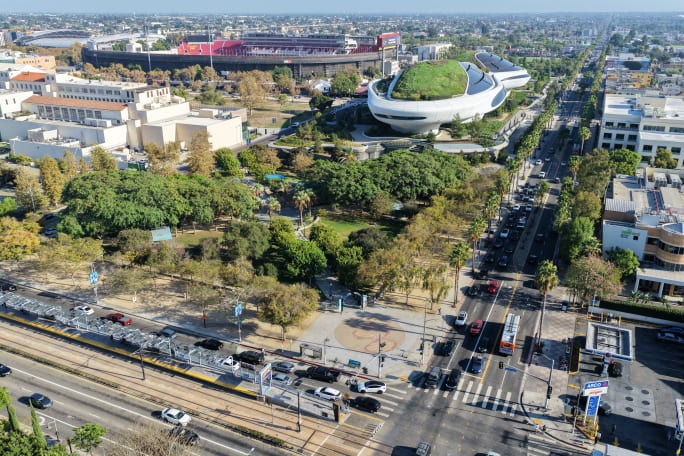
LA Metro's 12.4-mile Vermont BRT Project will feature 26 enhanced stations, dedicated bus lanes, and transit signal priority to improve reliability and reduce end-to-end travel times by up to 24%.
LA Metro
Beyond mobility improvements, the project will serve as a major economic engine, expected to support more than 4,800 construction jobs, generate $95 million in tax revenue, and create roughly 260 permanent operations and maintenance positions.
"Carrying 11 million riders every year, Vermont Avenue is a vital lifeline for students, workers, parents, and seniors across the region," said Metro CEO Stephanie Wiggins. "We approached this project with urgency and listened closely to the community, making critical adjustments as we are cutting travel times, fortifying our bus network, and building a world-class transit system ready to move LA.”
The project’s design is the direct product of extensive community co-creation.
Traversing federally designated Opportunity Zones, Metro partnered with 38 community and faith-based organizations, starting in 2021. Through multilingual door-to-door canvassing, urban design workshops, and rider surveys, Metro engaged approximately 26,000 residents, whose direct feedback shaped station locations, safety lighting, cleanliness initiatives, and cultural design features.
The project received a financial boost on September 1, when the Federal Transit Administration (FTA) awarded the project $149.9 million through its Capital Investment Grant Small Starts Program, the program's maximum federal grant. Combined with state funds and local voter-approved Measure M sales tax revenue, the project is now fully funded.
Quick Answers
The Vermont BRT project is a bus rapid transit initiative that spans 12.4 miles, aimed at improving transit efficiency and service in the LA Metro area.
*Summarized by AI
More Bus

Roman Cornell on ABC Companies’ Evolution and the Future of Passenger Transportation
The company’s CEO discusses carrying forward a third-generation family legacy, ABC’s continued evolution in passenger transportation, support for increasingly complex fleets, and how technology and continued investment could help operators improve uptime.
Read More →
VIA Bus Ridership Grows 10.1% Through August 2026
San Antonio's VIA Metropolitan Transit reported the highest bus ridership growth among major Texas transit systems. Federal Transit Administration data ranked it second among the nation's 50 largest transit systems.
Read More →
LA Metro September Ridership Climbs 3.9%, Led by Rail Growth
The agency recorded more than 27.2 million boardings, with rail ridership increasing 12.4% year over year and the D Line posting the largest gains.
Read More →
Frontrunner Bus Group Introduces XF Low-Floor Bus with Enhanced Accessibility
The new mid-sized bus features a full flat-floor design, eight-inch curbside step-in height, and zero-entry rear ramp to improve passenger access and operational flexibility.
Read More →
Scenes from APTA TRANSform & EXPO 2026
Transit leaders, manufacturers, and industry professionals gathered in Chicago to explore new technologies, share ideas, and discuss the future of public transportation.
Read More →
More Than a Summer Job: Building the Next Generation of Transit Talent
The Delaware River Port Authority and PATCO have transformed their internship program into a hands-on professional development experience that introduces students to the breadth of transportation careers — and creates a pipeline for future employees.
Read More →
LA Metro Board Awards 220 Battery-Electric Bus Contract to ENC
The contract, which is the largest base award of battery-electric buses by a U.S. transit agency, will be built in Southern California, sustaining good jobs as LA prepares to welcome the world in 2028
Read More →
Public Transit Conference Returning to GFX in 2027, Call for Papers Now Open
The Call for Papers is now open, allowing transit agency professionals and industry experts to help shape the PTC educational program by submitting session ideas for consideration.
Read More →
Indian River Transit’s Community-Focused Approach Earns National Recognition
Named APTA’s 2026 Outstanding Public Transportation System in its size category, Florida’s Indian River County transit system continues to grow ridership through fare-free service and a focus on evolving community needs.
Read More →
ENC Lands MATA Contract and More in Biz Briefs
In this edition of Biz Briefs, we spotlight the latest developments shaping the future of mobility.
Read More →