
Metro Magazine

 MENU
MENU SEARCHMENUSEARCH
Loading data...
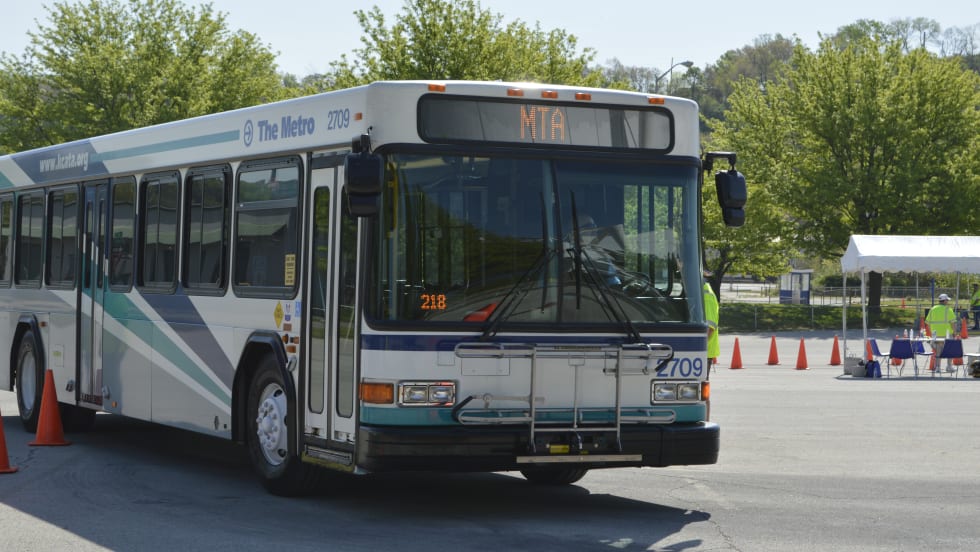
A well thought out flow of what curriculum should be introduced, as well as its level of difficulty for each day, will easily begin to determine those students that are standing out from their peers as either progressing favorably or lagging behind the other training bus students.
Read More →

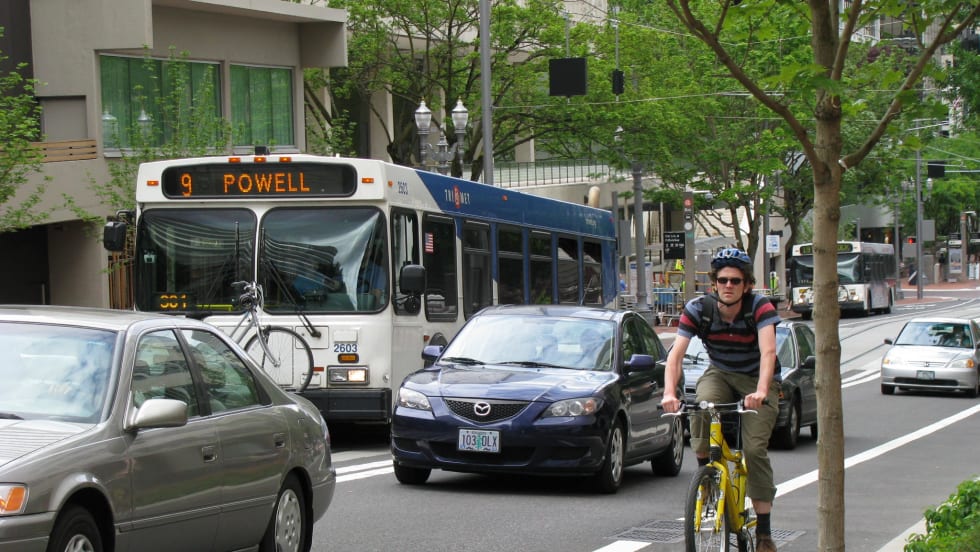
Soon after reaching my 20th year in the transit industry, back in 1993, after a draining day of addressing routine bus issues, I would cross paths with another employee, who I always remember, seemed to be quietly “doing his own little daily gig.”
Read More →Years ago, I was with Louie Maiello when someone walked over and asked him for some advice: “We’re having problems with people remembering to secure the bus before they leave their seat. Do you have any advice? How can we get them to remember?” Without missing a beat, Louie said “PIN it.” The advice seeker happened to be a veteran mechanic, so he understood and walked away to resume his work. I stood there for a while scratching my head. Pin it?
Read More →Diagnose, Prescribe & Follow-Up, are the usual doctor’s actions that are utilized when visiting the doctor’s office for whatever is ailing us. This formula should also apply within your training department with regard to the ailment of Bus Collisions.
Read More →I recently attended, and had the opportunity to be part of a panel of speakers, at the NYC MTA Bus Safety Symposium. A variety of topics were discussed regarding bus and pedestrian safety issues. What was obvious is we all have a common goal to provide the safest transit systems possible, in spite of the possibility of increasing bus/pedestrian and bus/cyclist collisions.
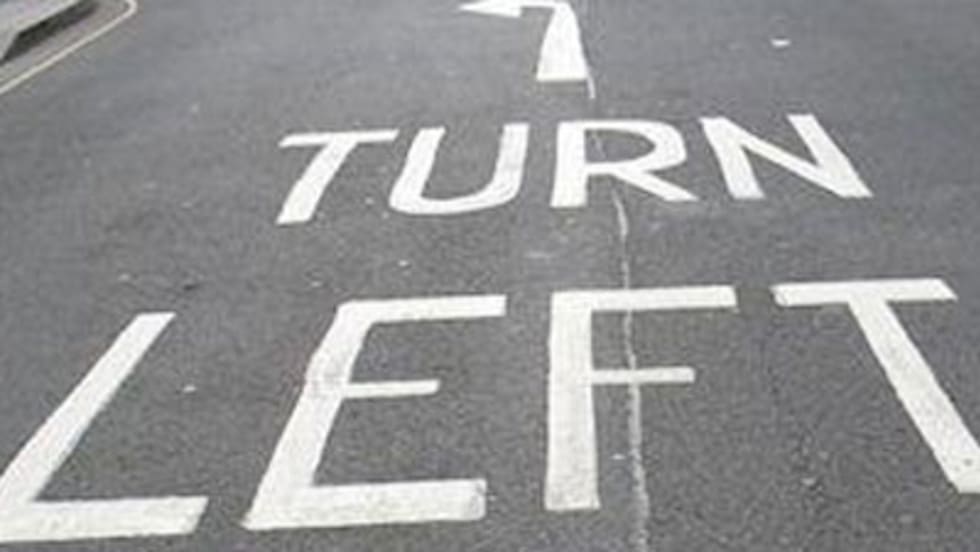
Read More →I have had it with the never-ending meeting of the minds on the predominant causes of left-turn bus-pedestrian collisions. This whole issue is getting obscured with presentations that slice and dice every possible cause of these incidents into a collection of symbols, numbers and formulas. Please stop.
Read More →As we all have experienced, chatter regarding topics other than performance-based basic skill development, such as current events, sports or one’s families, will develop onboard and can break the tension that candidates are experiencing in attempting to do their best. This tension breaker may do good for them, but this should occur during non-development drive time.
Read More →One topic I have heard discussed in some circles is regarding the amount of training to administer to new-hire candidates that bring some past driving experience with transport vehicles (paratransit, shuttle, etc.).
Read More →When official-plated transit authority vehicles were scarce and basically reserved for those in upper management to go about their daily business to and from meetings, etc..., road control would be the responsibility of the “fixed-post foot dispatcher.” Not all of these positions have been eliminated, but I wonder if any readers remember the stability and sense of control that was present while the foot dispatcher was on post?
Read More →Bus operators are not blindfolded. Operators are trained and required to identify potential hazards, based on their forward planning skills. With regard to left turns, these so called “blind spots” are really areas behind the left A-pillar/mirror that are “temporarily” obstructed to the operator, not blind to the operator. The key here is for the operators to utilize their observation and forward planning skills to minimize the time that their vision is temporarily obstructed. The pedestrian that regrettably becomes a victim of bus contact should be in the clear view of the operator long before arriving at the location where the contact occurred. Pedestrians are not “coming out of nowhere!"
Read More →