
Metro Magazine

 MENU
MENU SEARCHMENUSEARCH
Loading data...
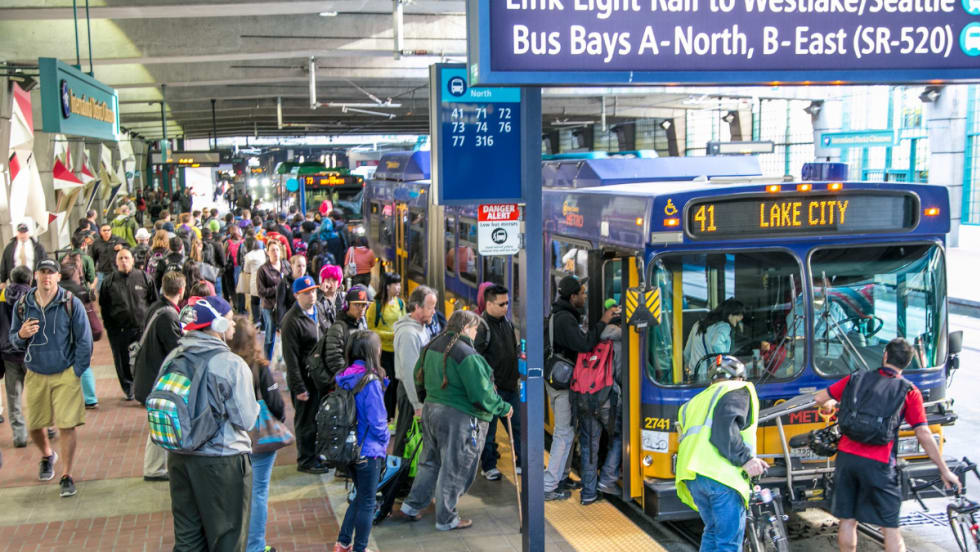
The $26 million proposal would boost metro security with more officers, safer buses, and SaFE Ambassadors for riders across Seattle and King County.
Read More →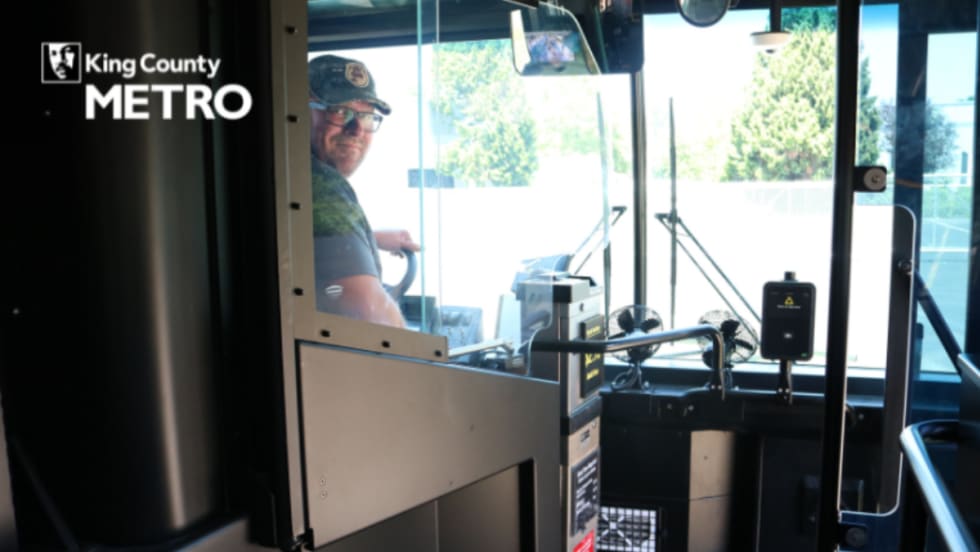
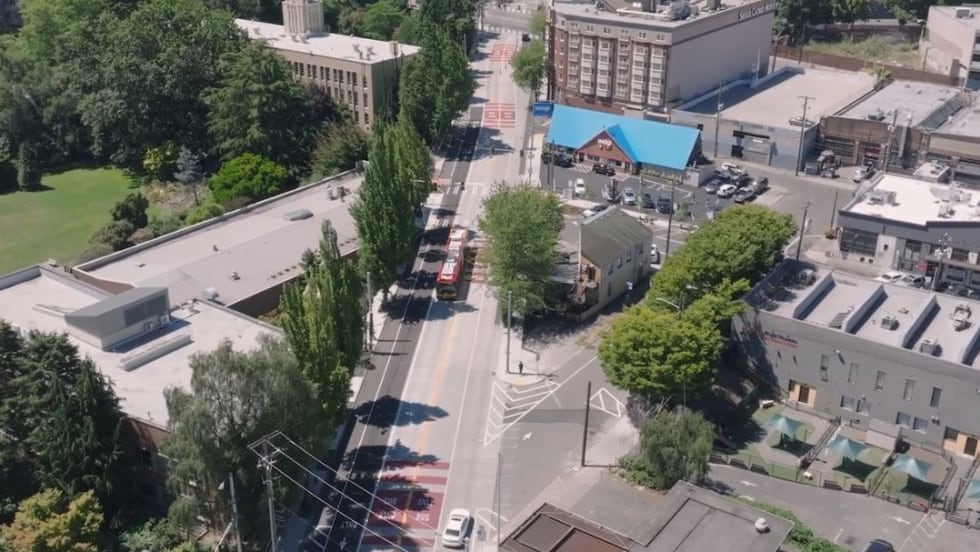
The Seattle agency has committed to adding safety partitions to its fleet of roughly 1,400 buses to improve safety conditions for bus operators.
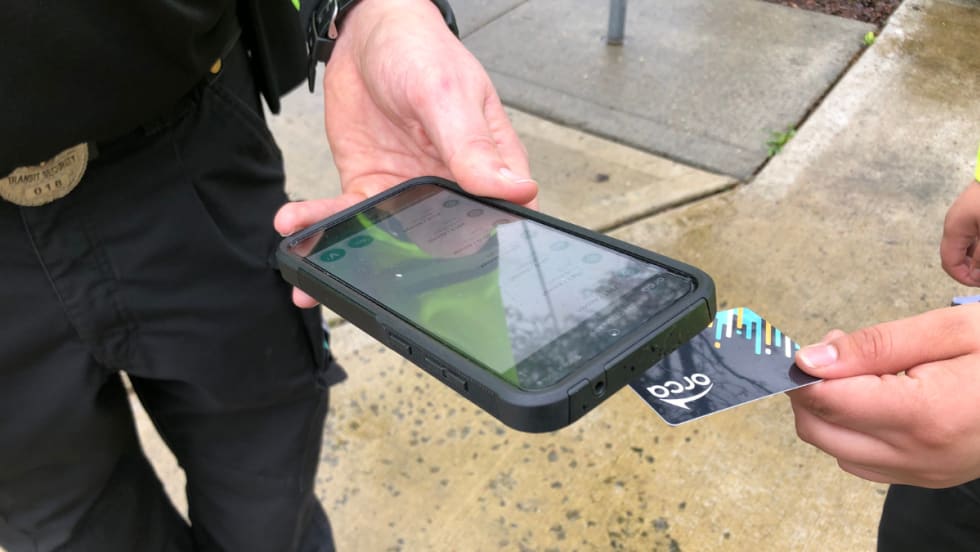
Read More →See why the agency will resume fare enforcement with warnings and fines while expanding access to reduced and free fare programs.
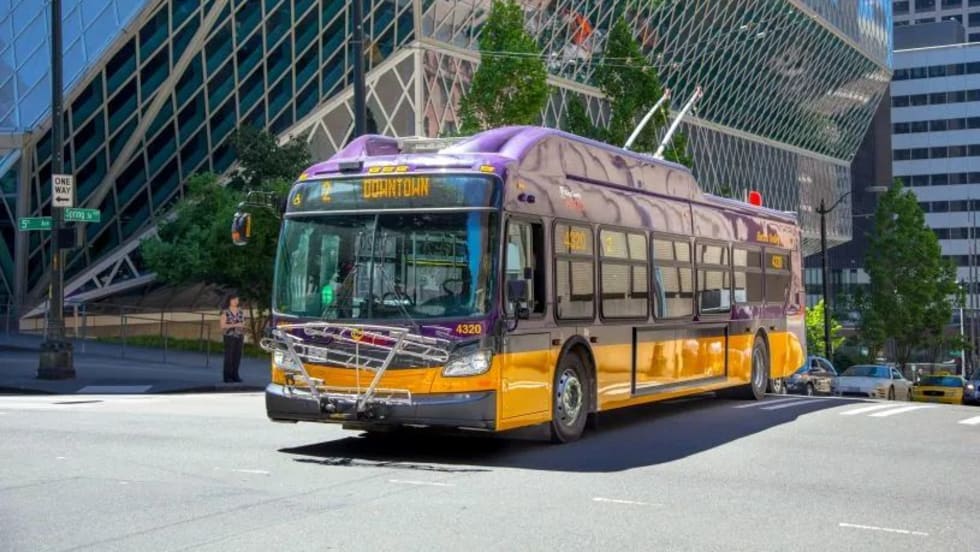
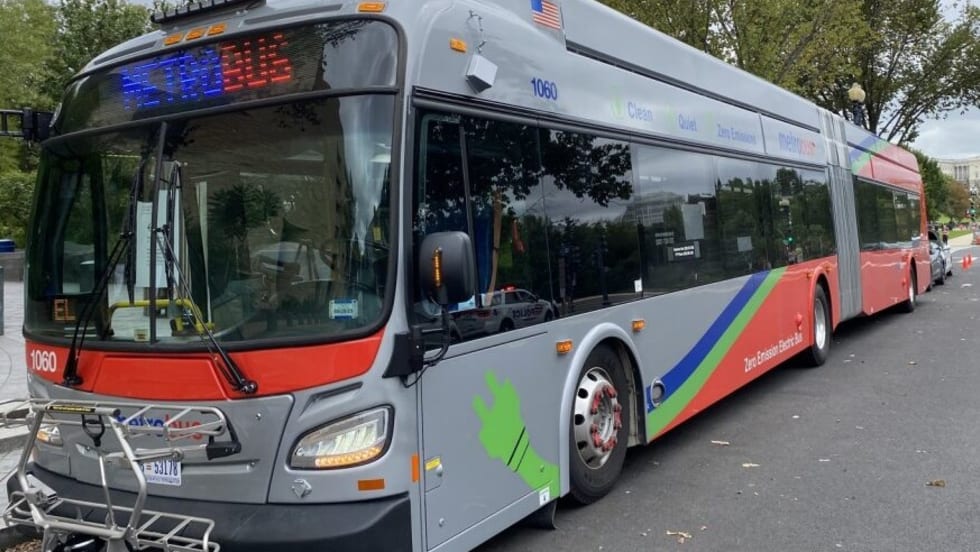
Read More →In addition to being selected to provide the new batteries, Kiepe Electric is also the manufacturer of the original propulsion systems for Metro’s trolley fleet.
Read More →The Washington Metropolitan Area Transit Authority, Seattle’s King County Metro, and San Franciso Muni were the top three agencies in terms of ridership growth for agencies with 50 million or more annual trips, while GO Transit topped the list for Canadian agencies.
Read More →King County Council approved Executive Constantine’s 2025 budget, allowing for 168,500 additional bus service hours, and support for light rail system.
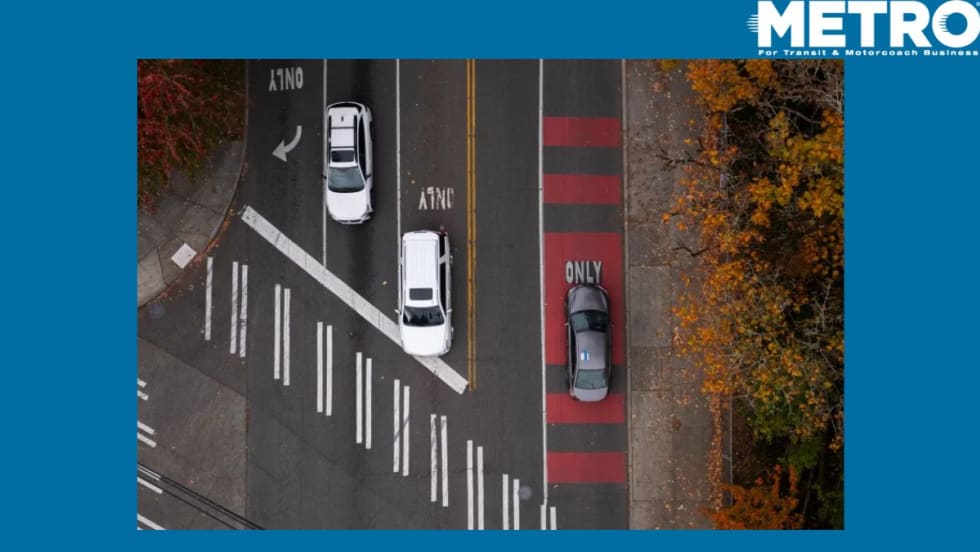
Read More →Seattle's King County Metro pilot project uses cameras to count red lane and bus stop violations.
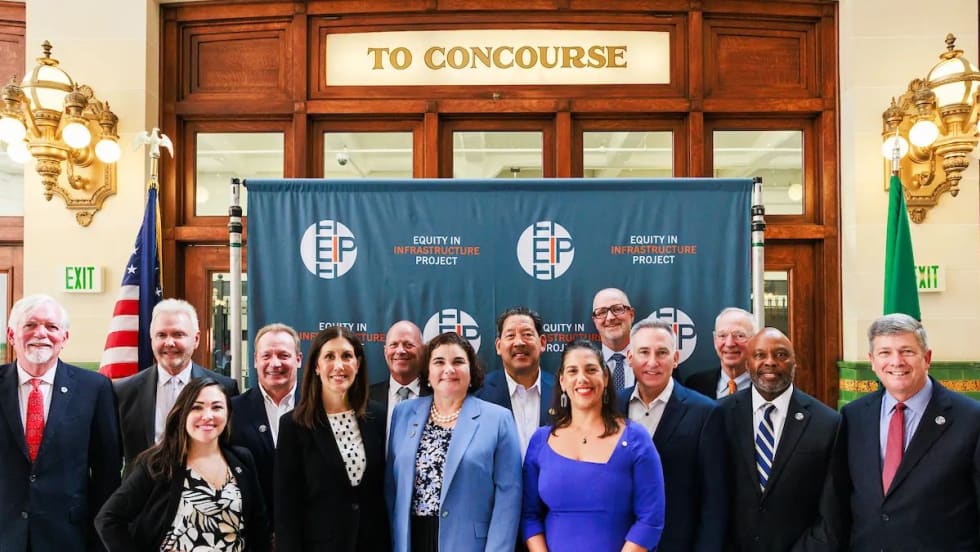
Read More →The mission of the Equity in Infrastructure Pledge is to build generational wealth and reduce the racial wealth gap by improving public infrastructure contracting practices to create more prime, joint venture and equity contracting opportunities for HUBs.
Read More →The cloud-based technologies will be conveyed across an initial 45 battery-powered electric buses and trolleybuses, eventually extending to a total of 500 battery-electric coaches and 174 trolleys over the contract term.
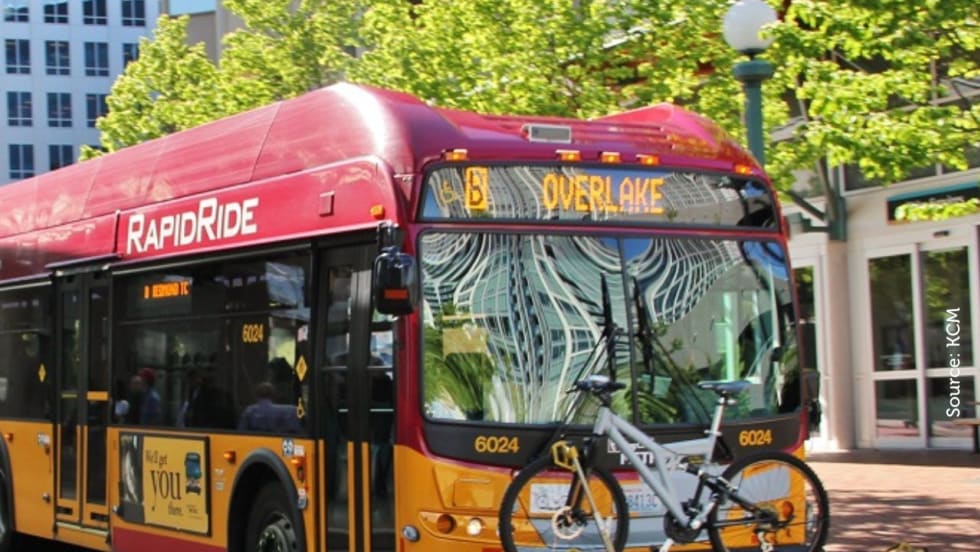
Read More →Starting Sept. 14, King County Metro is expanding evening and weekend transit service and launching its eighth RapidRide — the G Line — which will provide fast and frequent service through downtown Seattle, First Hill, Capitol Hill, the Central District, and Madison Valley.
Read More →