
Metro Magazine

 MENU
MENU SEARCHMENUSEARCH
Loading data...
A recent roundtable highlighted how crime on buses and trains is shaping the debate over federal transportation funding.
Read More →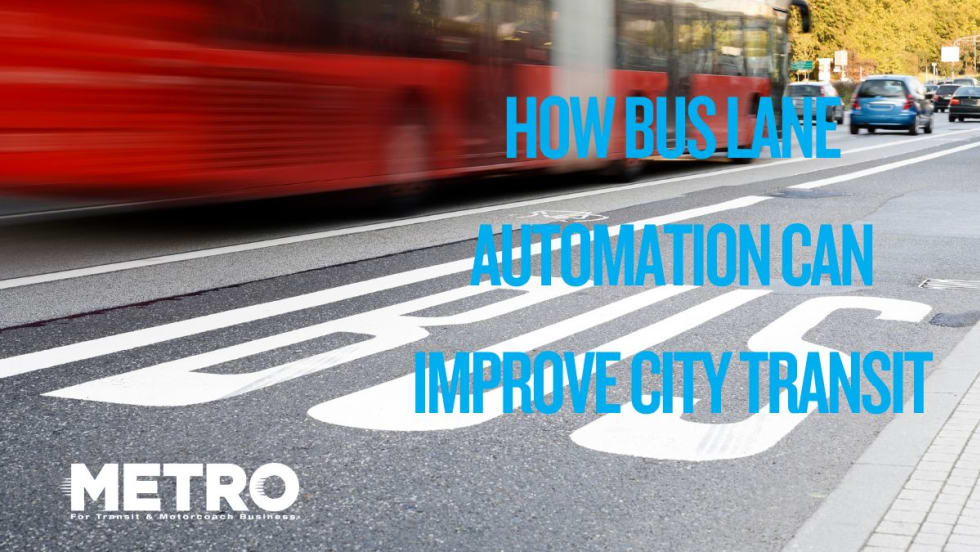
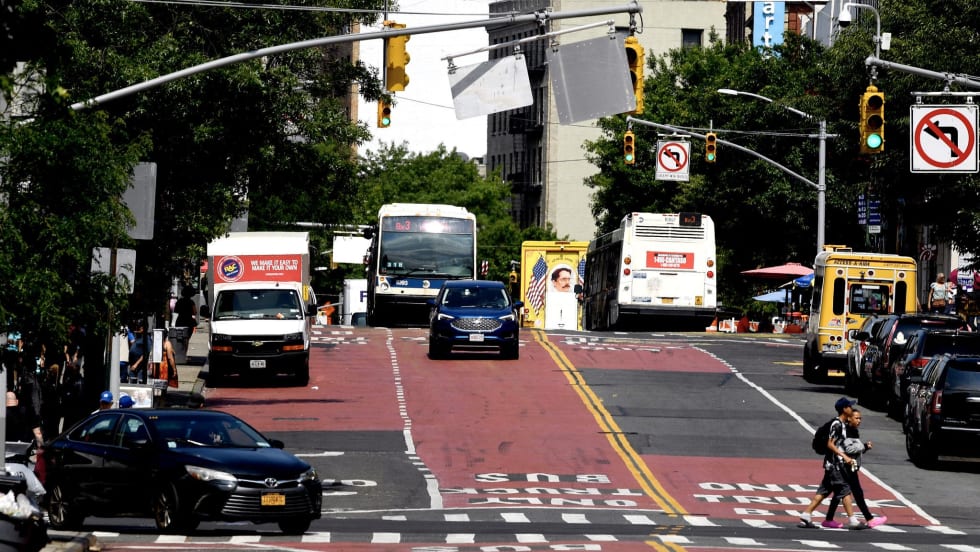
When private vehicles use designated lanes, agencies are forced to assess the impact the behavior has on city-wide congestion and public safety.
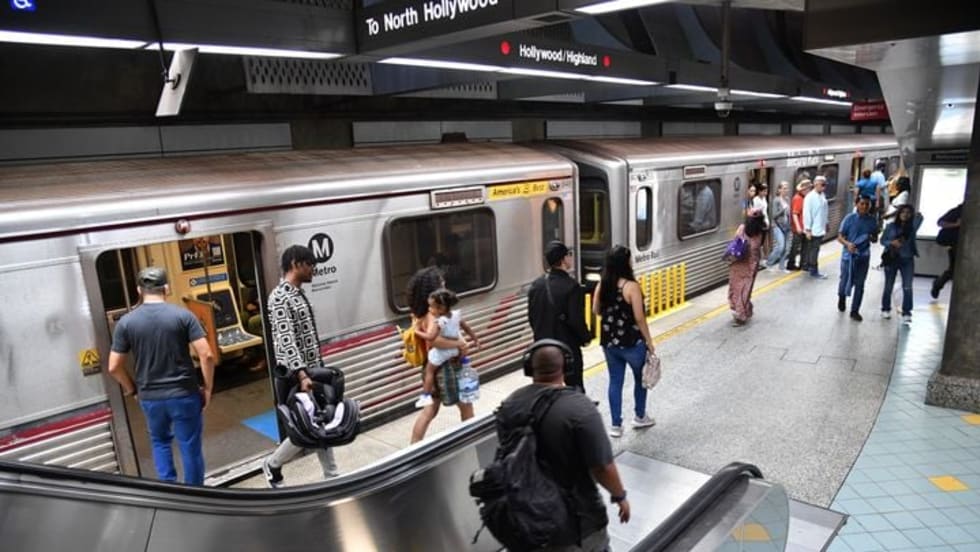
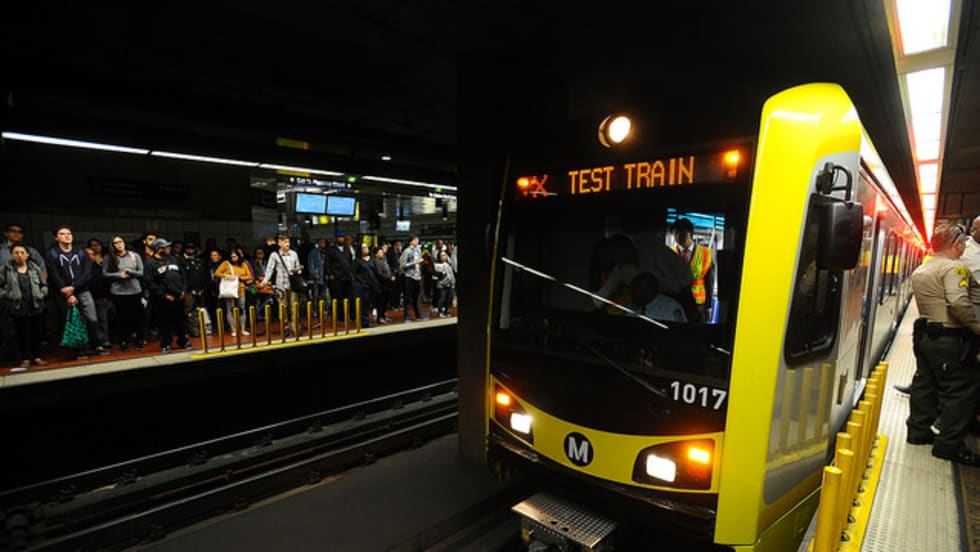
Read More →After a successful pilot, Metro plans to expand their TAP-to-Exit program to all end of line stations by the end of 2025, starting with Union Station.
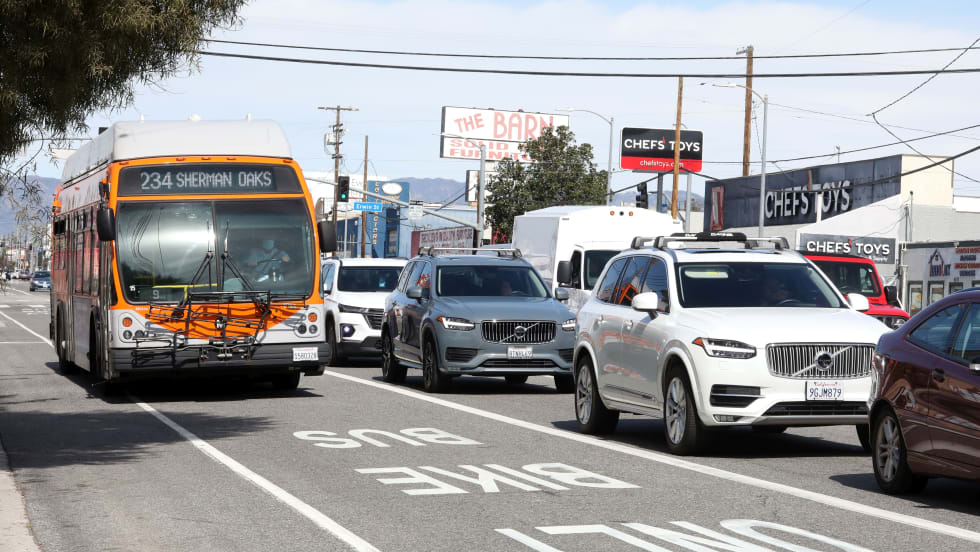
Read More →Originally announced in November, the bus lane enforcement pilot program is rolling out on major corridors where bus lanes have been established to prioritize public transit in areas with high bus ridership and traffic congestion.
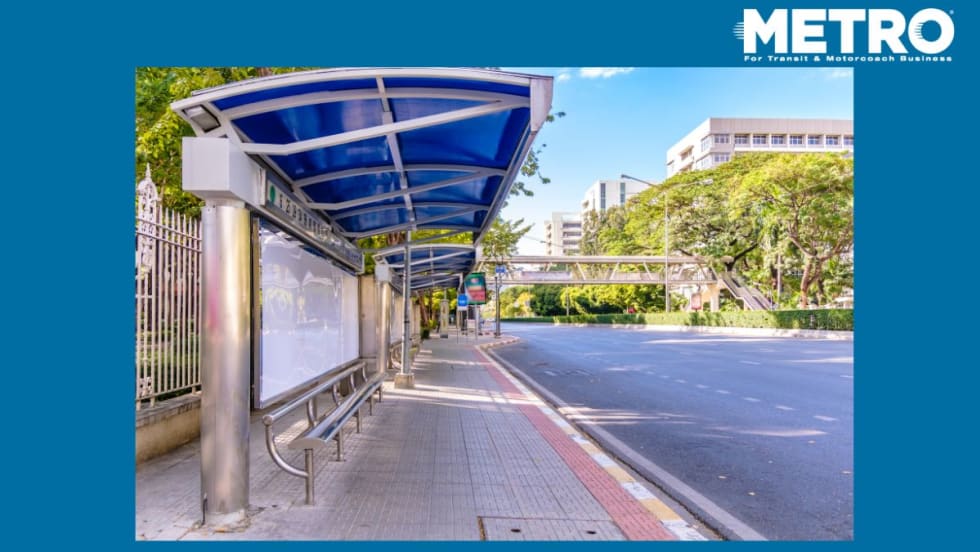
Read More →The Sacramento Regional Transit District has received a grant for extreme heat and community resilience that will allow them to enhance public health with heat-resilient bus shelters.
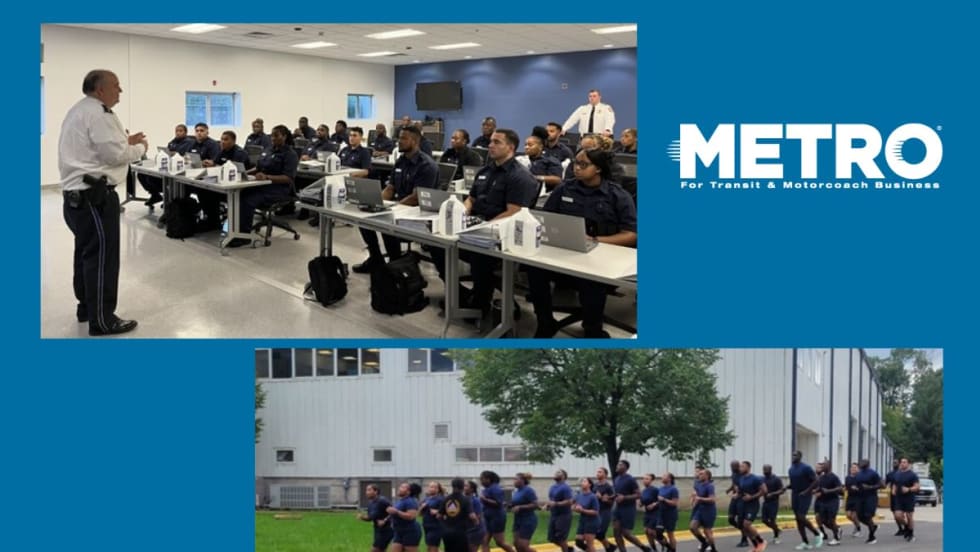
Read More →The new in-house training academy is saving Metro Transit approximately $1 million annually.
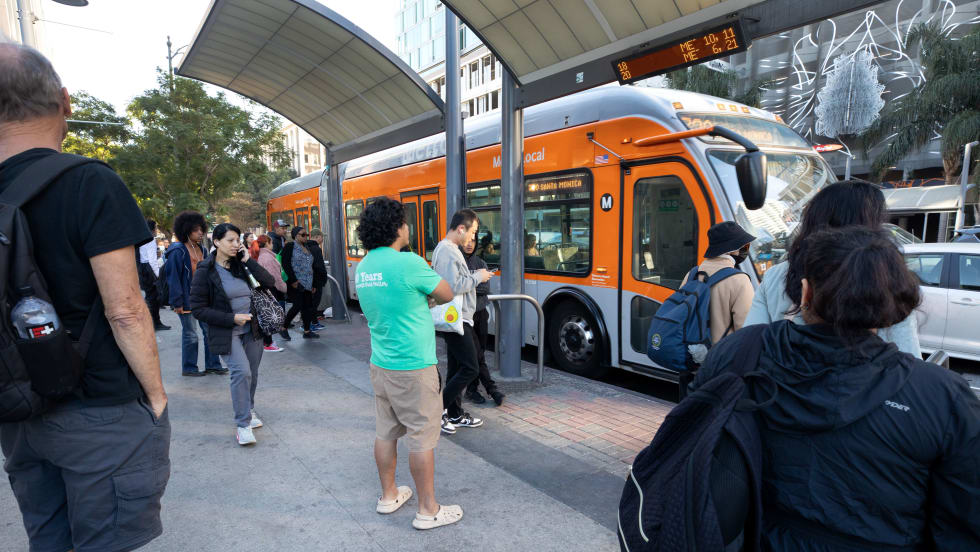
Read More →LA Metro is quickly approaching their pre-pandemic ridership levels, partially thanks to steadily increasing demand from leisure riders.
Read More →The objectives of the Metro TCPSD are increased visibility, accountability, and consistent service delivery, which will result in a safer transit system for Metro employees and customers using a specialized transit community public safety workforce.
Read More →Formerly known as Automated Bus Lane Enforcement, the ACE program captures vehicles violating bus lane, double parking, and bus stop rules in real-time.
Read More →The changes to the OCC policies are part of the MBTA’s ongoing efforts to improve safety and security for both workers and riders.
Read More →