
Metro Magazine

 MENU
MENU SEARCHMENUSEARCH
Loading data...
As transit systems generate more data than ever, AI-powered safety tools are helping agencies detect incidents faster, improve response times and enhance situational awareness.
Read More →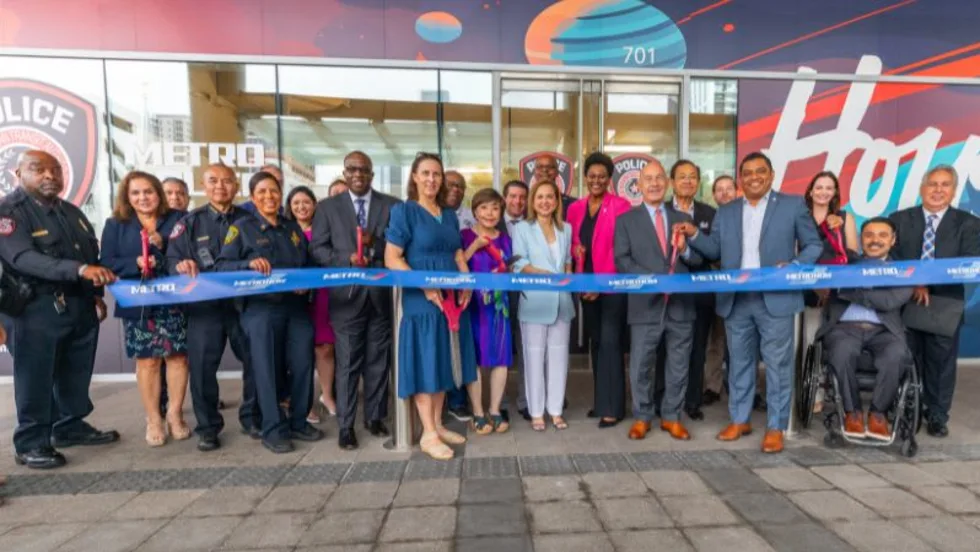


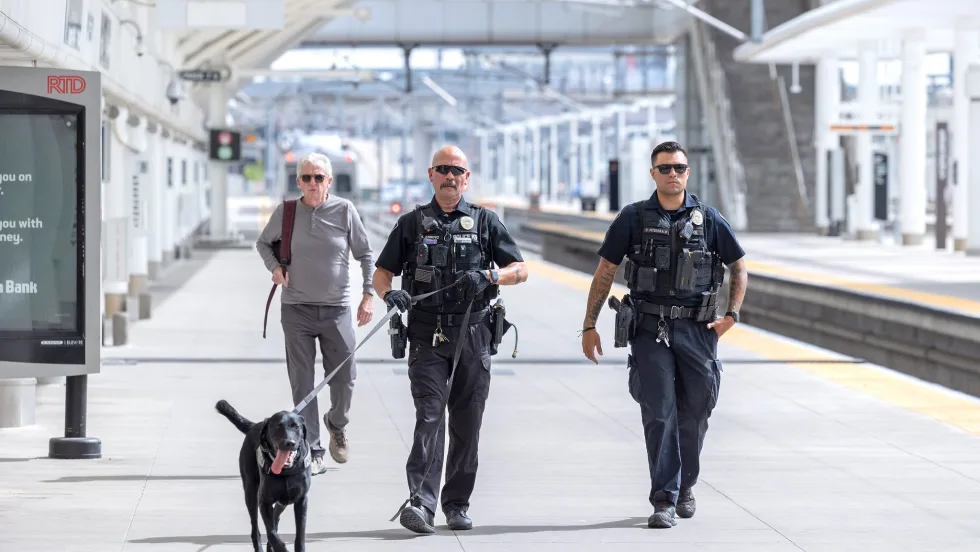
The substation strengthens METRO Police presence in an area where transit activity, pedestrian movement, and visitor flow converge.
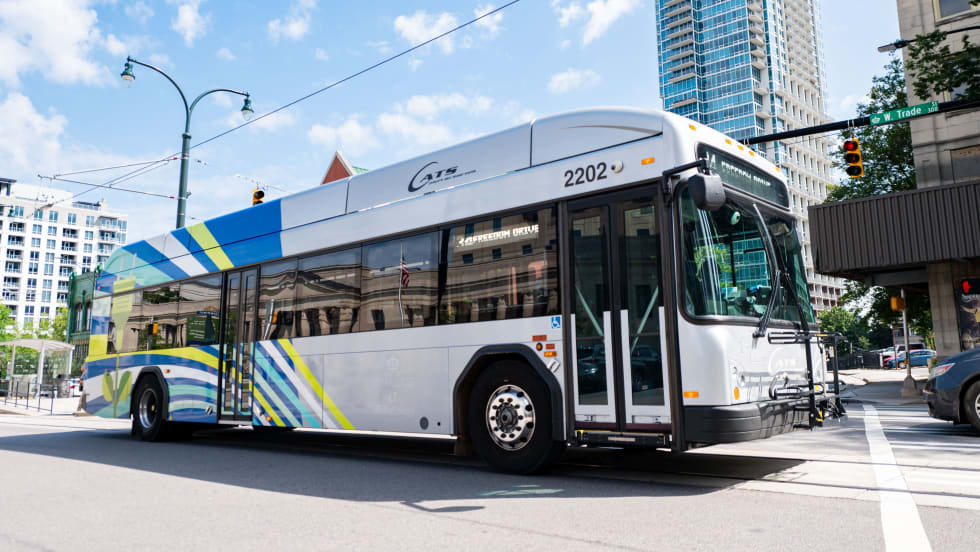
Read More →Under the leadership of the CATS Chief Safety and Security Officer, the organization has marked a pivotal transformation.
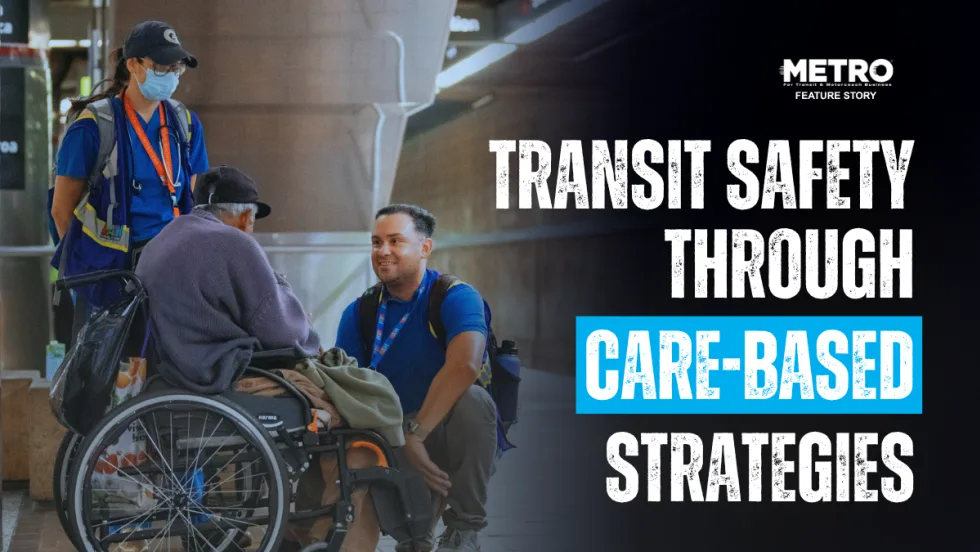
Read More →Transit agencies are redefining safety with care-based response models. See how leaders are improving trust and operations.
Read More →Participants include representatives from the CCSAO, the Chicago Police Department, CTA, the Cook County Sheriff’s Office, the U.S. Attorney’s Office, the FBI, the ATF, the DEA, Metra, and Pace.
Read More →The plan includes investments in cleaner vehicles and upgraded stations, NJT LiveView to provide real-time GPS tracking of train and light rail service, enhanced safety initiatives through a new Real Time Crime Center, and the debut of a redesigned NJ TRANSIT mobile app.
Read More →BRIT patrols are over and above those already occurring within the district. For example, the agency experienced three copper wire thefts along the G Line in April, followed by others later in the month and in early May.
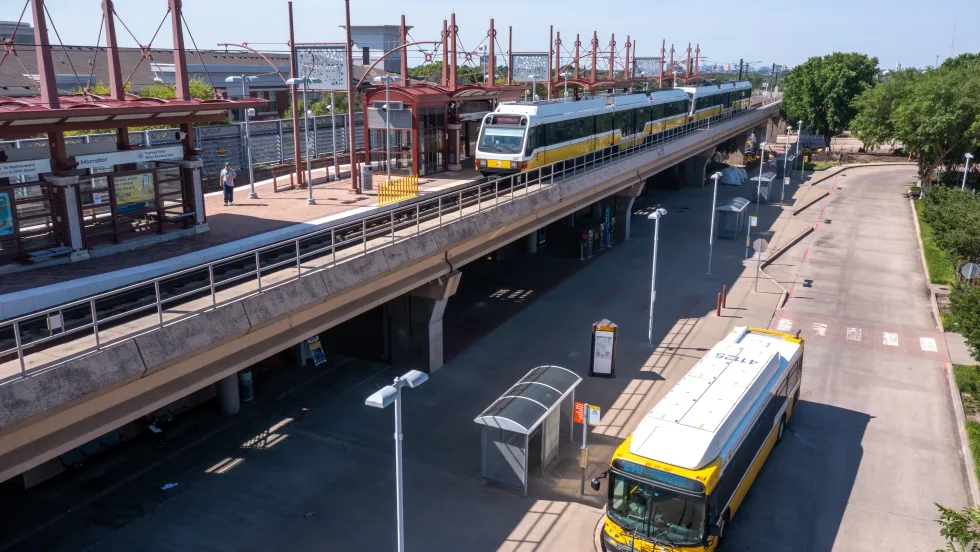
Read More →The approved contract modification will increase funding for transit security officer services to a total not-to-exceed amount of $32.1 million, ensuring a continued and visible security presence across DART’s buses, trains, stations, and facilities.
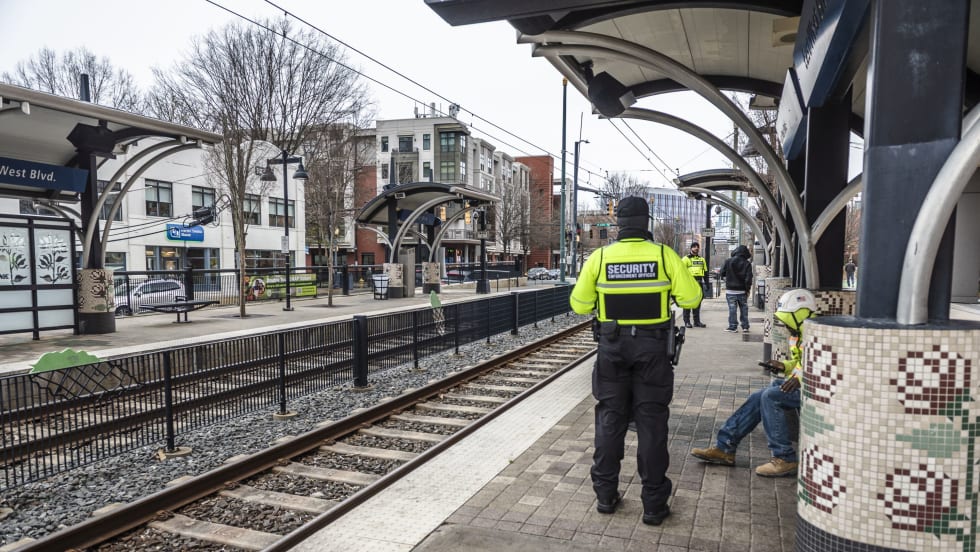
Read More →Customers have always been able to report concerns through the CATS Customer Service line or the “Report a Problem to CATS” feature in the CATS-Pass mobile app; however, CATS has also integrated a Text-a-Tip line, giving riders multiple, easy-to-use channels to get support.
Read More →The new division brings ambassadors, outreach, and crisis response together to improve safety, coordination, and rider experience systemwide.
Read More →