




Read More: MBTA to Release RFQ for $120 Million Renewable Energy Contract
MBTA Meets FTA Requirements for Public Safety, Workforce
The changes to the OCC policies are part of the MBTA’s ongoing efforts to improve safety and security for both workers and riders.
August 14, 2023

The MBTA is also working on 39 Corrective Action Plans (CAPs) to address broader and more long-term safety concerns in response to the FTA’s Safety Management Inspection issued in April of 2022.
Photo: MBTA
2 min to read
The Massachusetts Bay Transportation Authority (MBTA) announced that all Operations Control Center (OCC) employees have been in sustained compliance with two policy changes that further ensure employees have sufficient time off to recover between shifts and are not dual scheduled for dispatcher and supervisor duties.
The policies close out two Federal Transit Administration (FTA) findings issued in a Special Directive Letter on June 15, 2022.
The FTA reported that the finding on mandatory rest hours between shifts has been lifted, and the finding on eliminating dual scheduling for dispatcher and supervisor duties has also been lifted.
“These are important milestones on our path to creating and maintaining a safe and reliable transit system,” said MBTA GM/CEO Phillip Eng. “A well-trained, rested, and fully certified workforce inside our Operations Control Center is an integral part of our commitment to deliver the service our riders deserve.”
MBTA's Efforts to Improve Safety
The changes to the OCC policies are part of the MBTA’s ongoing efforts to improve safety and security for both workers and riders.
The MBTA added it is also working on 39 Corrective Action Plans (CAPs) to address broader and more long-term safety concerns in response to the FTA’s Safety Management Inspection issued in April of 2022.
“We are committed to making the first public transit system the safest and most reliable one in the country,” said Eng. “These changes are just one step in that process.”
The new policies are designed to ensure that OCC employees have adequate time to rest and recover between shifts, which can help to reduce fatigue and improve safety.
The policies also prohibit dual scheduling for dispatcher and supervisor duties, which can help to prevent conflicts of interest and ensure that employees are properly focused on their tasks.
More Management
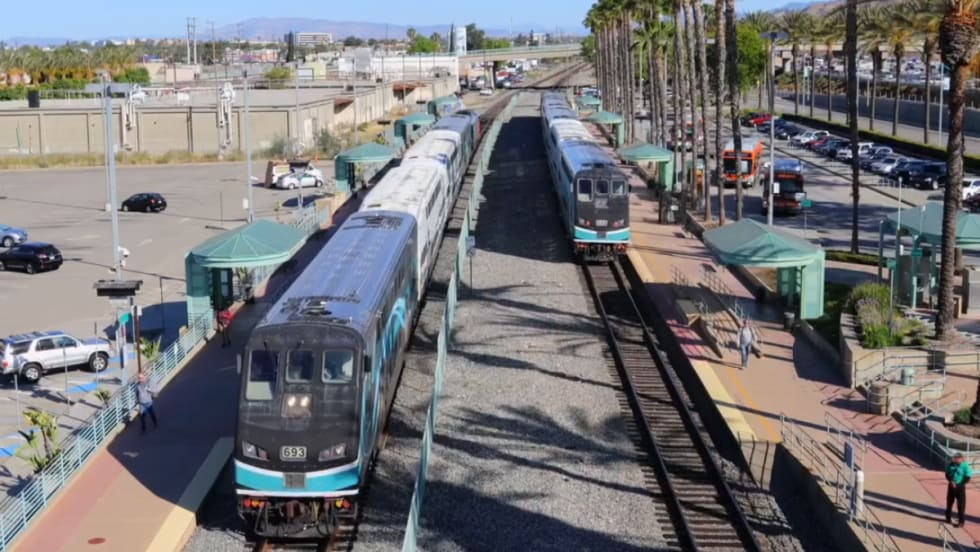
Southern California’s Metrolink Approves $508.8M Budget, Avoids Service Cuts
A $20 million state allocation allows the regional rail agency to maintain existing weekday and weekend service through fiscal year 2028, although longer-term funding challenges remain.
Read More →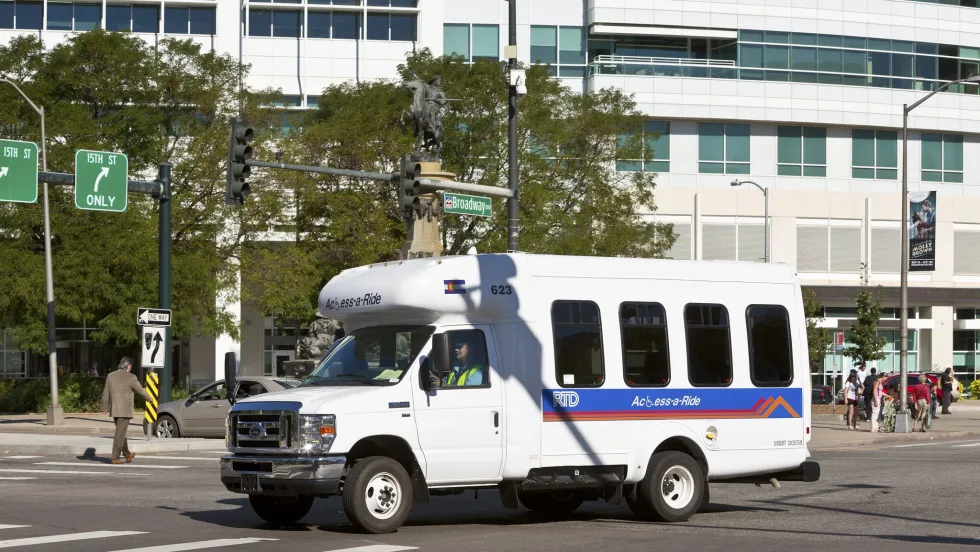
Denver RTD Committee to Review Paratransit Services, Improve Accessibility
The committee will oversee an independent study of paratransit operations, gather customer feedback, and recommend improvements to service reliability, accessibility, and accountability.
Read More →
Castro to Lead RTC of Southern Nevada and More in People Movement
In this edition, we also cover recent appointments and announcements at the STV, MCI, and more, showcasing the individuals helping to shape the future of transportation.
Read More →
STraffic Expands North American Presence with Fare Collection Technology
John Moon, Associate Director, Product Strategy at STraffic, discusses the company's growth in North America, its efforts to reduce fare evasion, and more.
Read More →
Study: Denver RTD Generates $2.1 Billion in Annual Economic Activity
An economic impact study finds the agency supports approximately 17,500 jobs, delivers $1.6 billion in annual community and mobility benefits, and generates $2.42 in economic value for every dollar invested.
Read More →
Mark Aesch Nominated to Lead Federal Transit Administration
The former Rochester transit chief and TransPro founder, who has also contributed to METRO Magazine, brings decades of industry experience and a focus on performance, accountability, and financial sustainability to the nomination.
Read More →
Best and Worst U.S. Cities for Public Transportation in 2026
A new analysis of 50 major U.S. urban areas ranks public transit systems based on accessibility, affordability, usefulness, and safety, highlighting where transit performs best and where challenges remain.
Read More →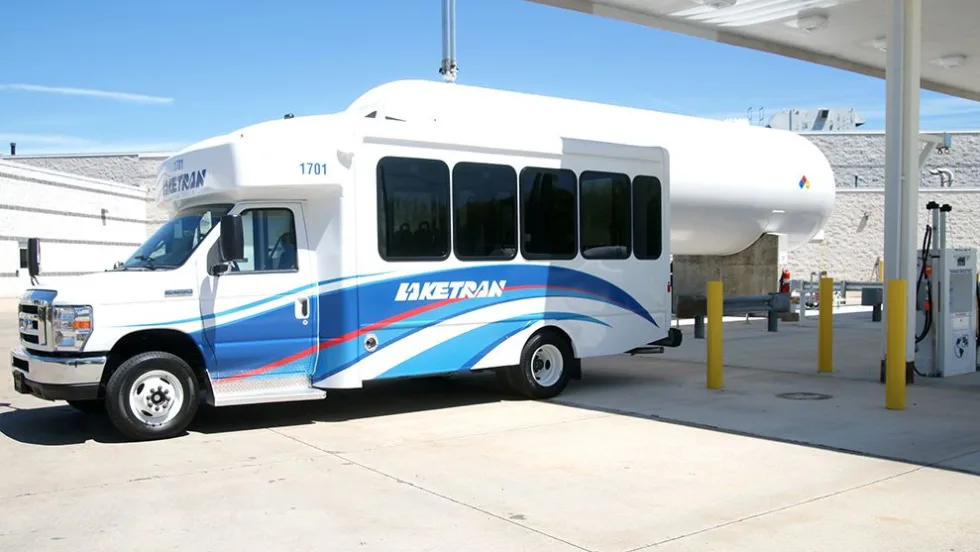
Laketran Cuts Fuel Costs, Boosts Efficiency with Propane-Powered Fleet
The Ohio transit agency is using propane-powered vehicles and on-site fueling infrastructure to cut fuel and maintenance costs while meeting growing demand for paratransit services.
Read More →
Canada’s Public Transit Supports $65.6 Billion in Annual GDP
New research from the Canadian Chamber of Commerce examines transit's economic contributions, including job creation and the financial implications of transportation investment.
Read More →
Pierce Transit Moves to Expand Fleet Following Proposition 1 Approval
The agency authorized the purchase or refurbishment of up to 60 buses to support a 47% service expansion, as voters nationwide approved billions in new transit funding.
Read More →