
Metro Magazine

 MENU
 SEARCHMENUSEARCH
Loading data...

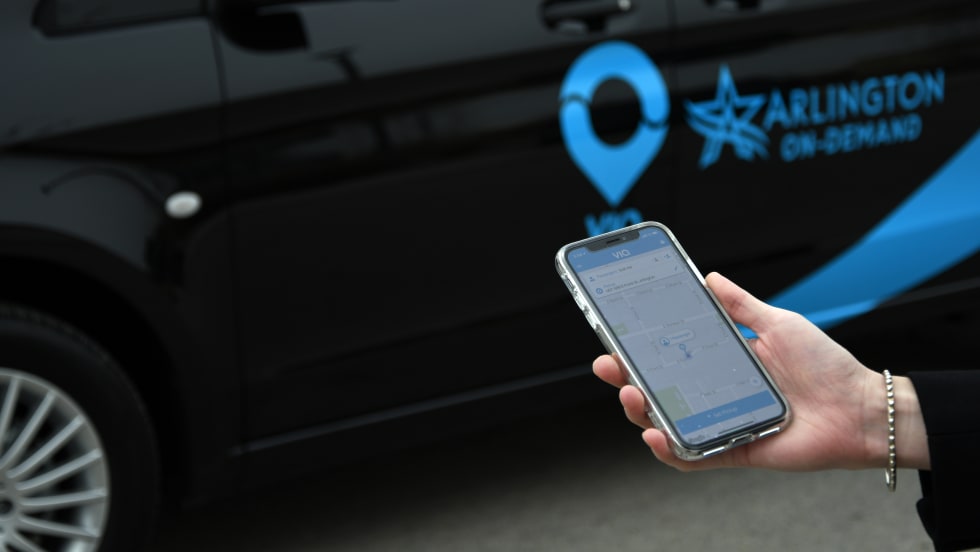
Working similar to Uber, microtransit buses will carry a handful of riders at a time.
Read More →





Demand-response services are not new, of course. Jitney services, which route dynamically based on passengers’ needs, have been around for literally centuries, back to horse-and-coach days.
Read More →Embracing public-private partnerships can help cities and transit agencies lower operational cost while connecting underserved communities.
Read More →Seventeen projects already are slated for completion before 2028, of which four are Measure R funded and 13 are funded by Measure M. Eight additional accelerated project schedules are deemed “aspirational.”
Read More →This past May, I discussed factors that may be contributing to a disturbing trend in recent years — declining bus patronage — and ways to combat it.
Read More →The Challenge sought to identify the nation’s most visionary municipal transit agencies and reward them with the expertise, planning resources, data analytics, and predictive modeling to help stimulate demand-driven, flexible transit in the communities they serve.
Read More →The service is open to the public and operates Monday through Friday from 9 a.m. to 5 p.m. and is $1 per trip (one-way), with discounts available for those who qualify.
Read More →Gabe Klein has held key positions in both the public and private sectors, and has been a leading voice for leveraging the use of data and technology to integrate mobility systems at the city and regional levels.
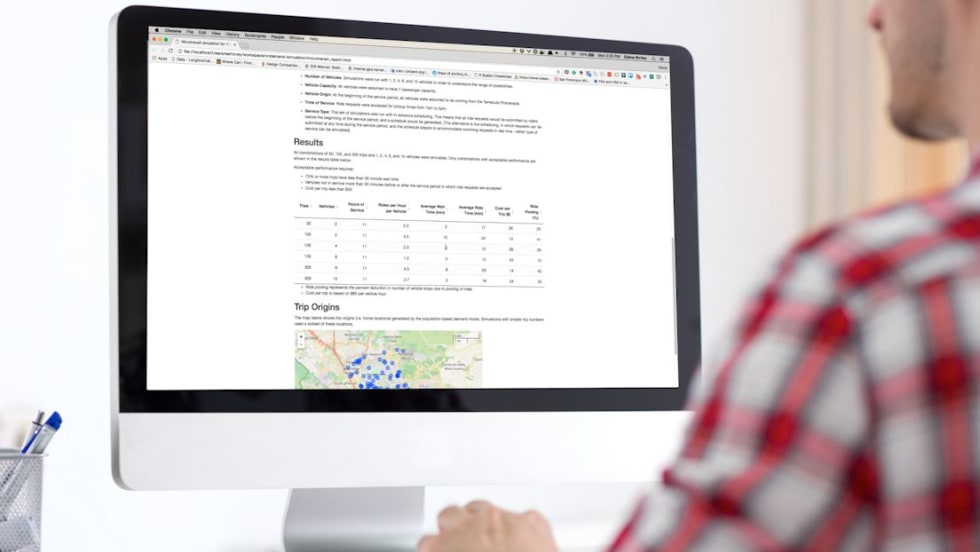
Read More →The simulator helps transit agencies determine successful approaches to enhancing fixed-route services with new flexible transit alternatives to better serve their communities.
Read More →Unlike Uber or Lyft, Metro's plan would provide vans instead of cars and pick-ups would include more than one person.
Read More →