
Metro Magazine

 MENU
MENU SEARCHMENUSEARCH
Loading data...
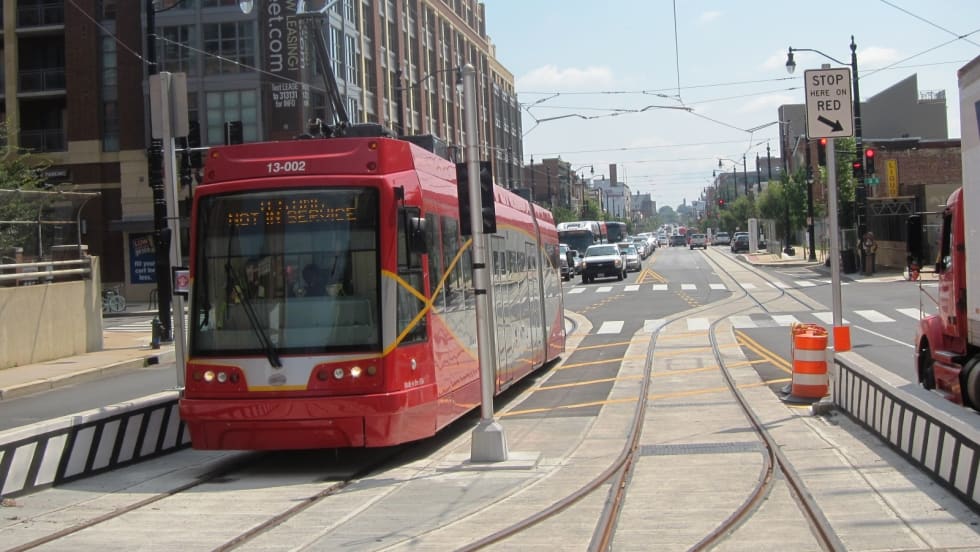
Educator toolkits featuring grade-specific lesson plans, activity sheets, posters and parent take-home letters were delivered to K-12 schools along the new streetcar corridor throughout September. The in-school educational materials were funded by a $25,000 grant.
Read More →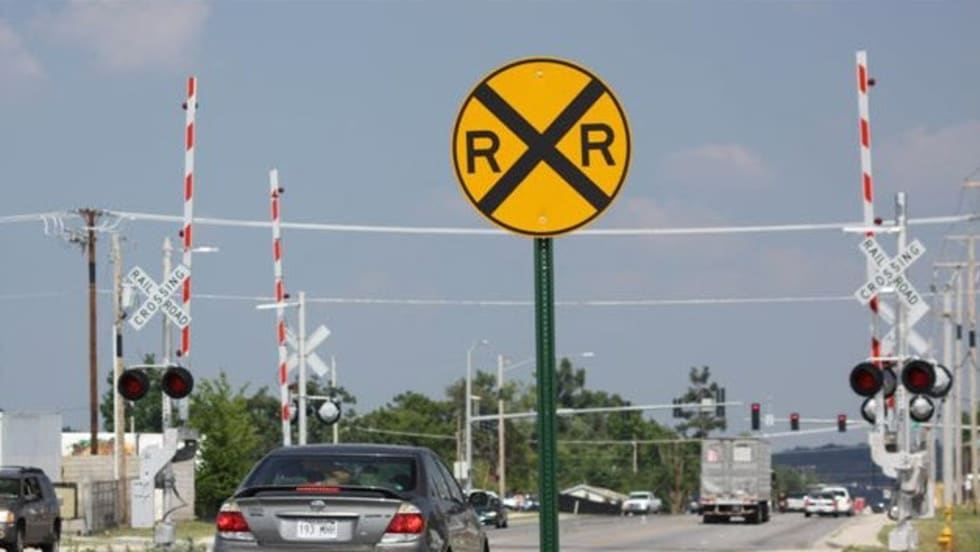
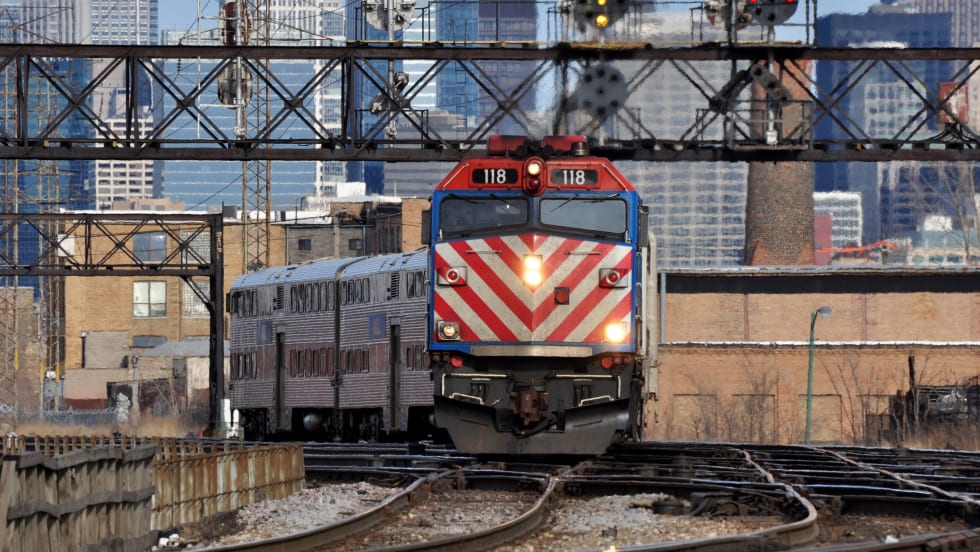

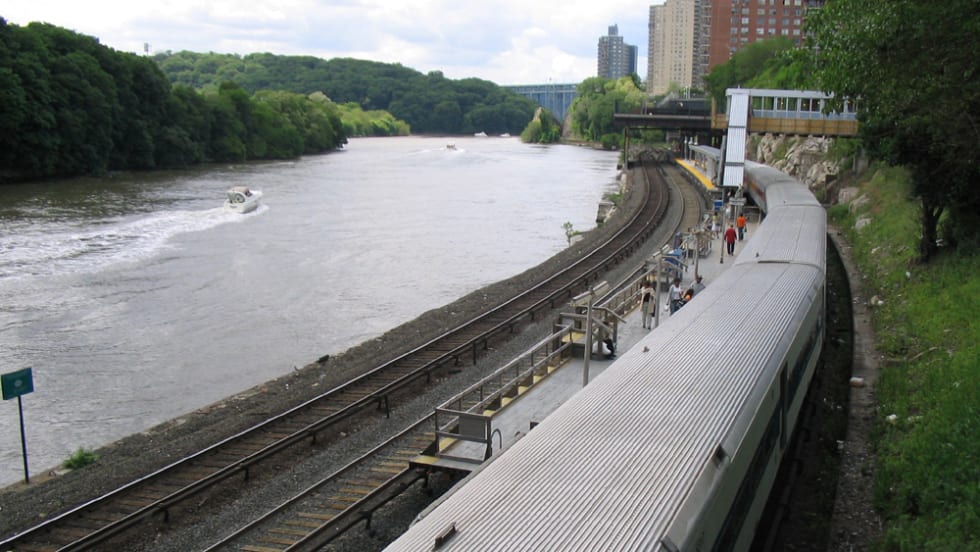
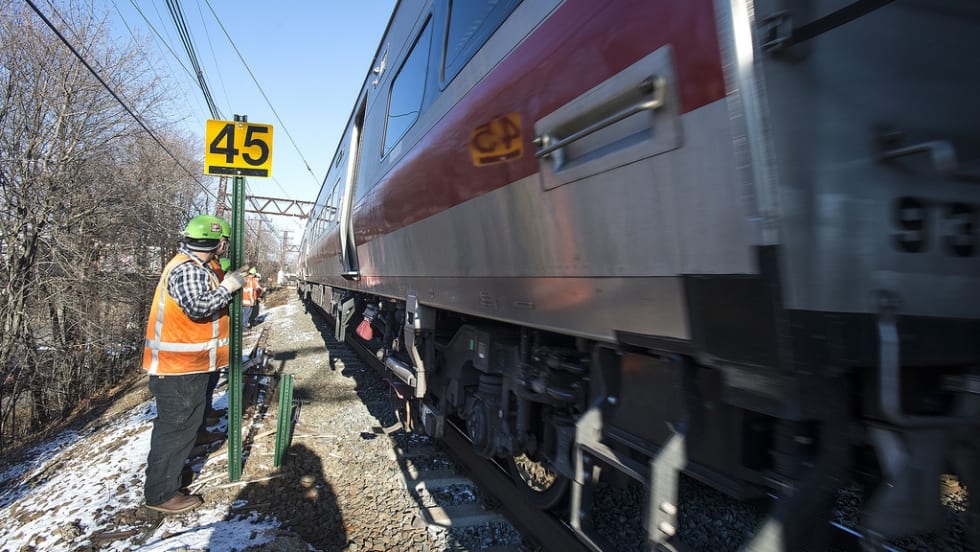
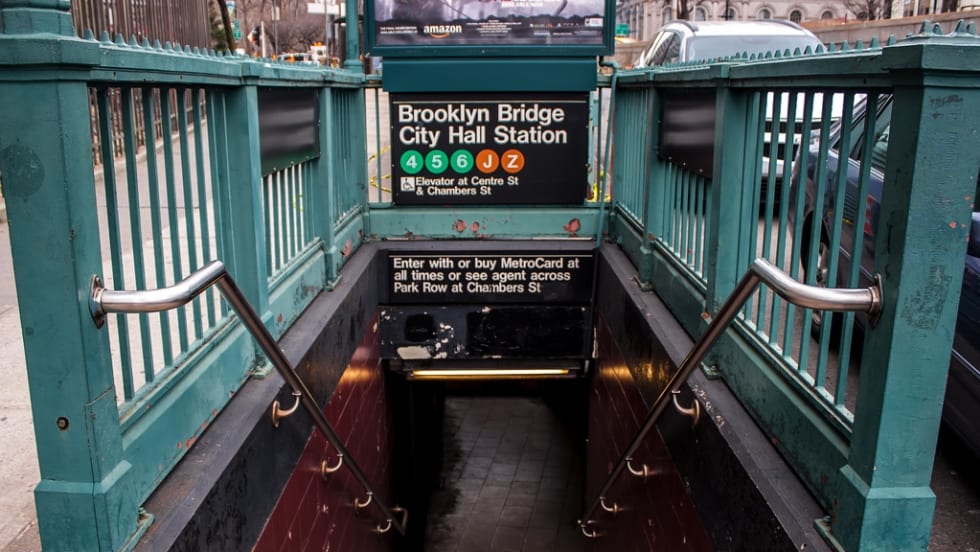
Transit is one of the safest ways to travel in the U.S. According to the National Safety Council, the lifetime odds of being killed as a rail passenger are 1 in 178,000, compared to the 1 in 415 odds of being killed as an occupant of a passenger car. A closer look at recent transit fatality statistics reveals where the problem areas lie. According to FTA statistics, 262 people died in transit-related incidents in 2012 (not including commuter rail systems, which are regulated by the FRA).
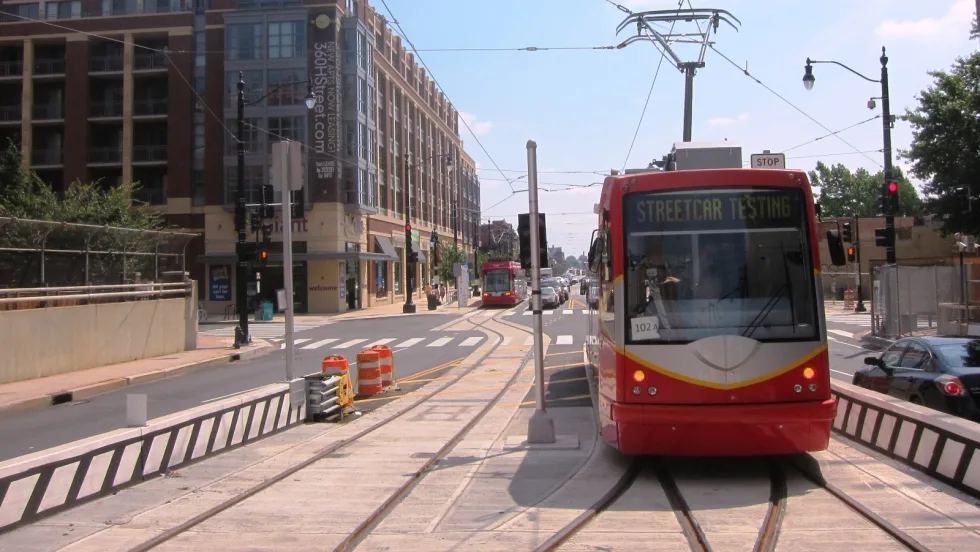
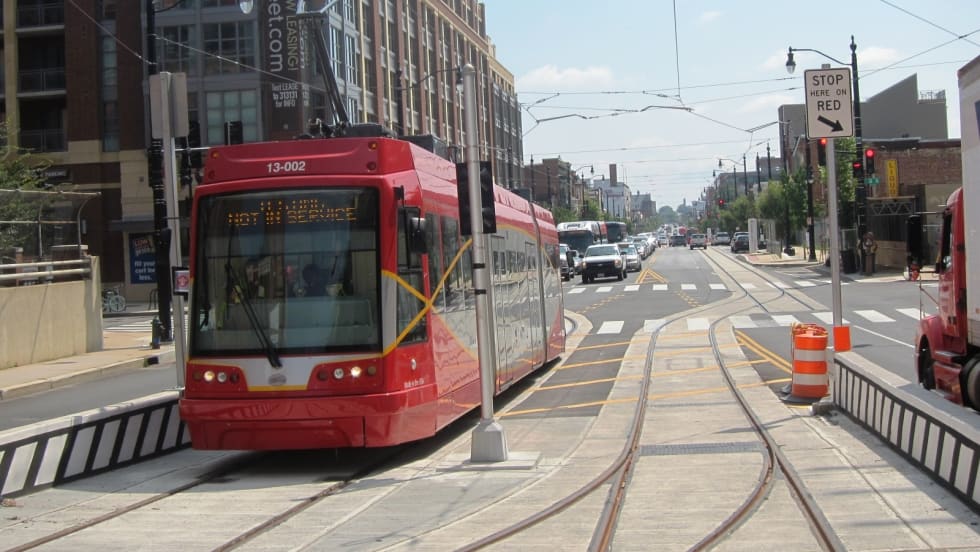
Read More →RDMT, the contractor who will operate DC Streetcar, has been busy training the 14 operators hired at the Testing and Commission Facility in Anacostia. The goal is to have 22 total operators hired for passenger service. So far, they've done a classroom course and in-vehicle training at the test track.
Read More →Transportation officials say each operator will train with supervisors under various traffic scenarios — part of the process in order to be certified to carry passengers.
Read More →Set to focus on Metra’s program of operational tests and inspections for all its operating crews, with special emphasis on training, qualification and testing of locomotive engineers.
Read More →Investigators said a new rail switch at the point where the train left the tracks wasn't properly installed during repairs in May and was attached to the rail only by a single 3-millimeter wire, according to the report.
Read More →According to a preliminary investigation, three cars derailed in a tunnel in the western part of the city, trapping hundreds of people.
Read More →Of 32 initiatives established in its Action Plan following the FRA's 45-day investigation, 21 have been fully implemented, seven are in progress and two will be pursued after outside entities submit independent reports.
Read More →The reforms address factors identified during several serious safety incidents over the last year, as well as issues identified by an in-depth FRA review of its operating practices that took place this past winter.
Read More →Reliance on antiquated signaling system adds to delays, inefficiency and safety risks, according to a regional research and advocacy group.
Read More →