
Metro Magazine

 MENU
 SEARCHMENUSEARCH
Loading data...

The Midwest Transportation Workforce Center is one of five centers nationwide to receive a $600,000 federal grant.
Read More →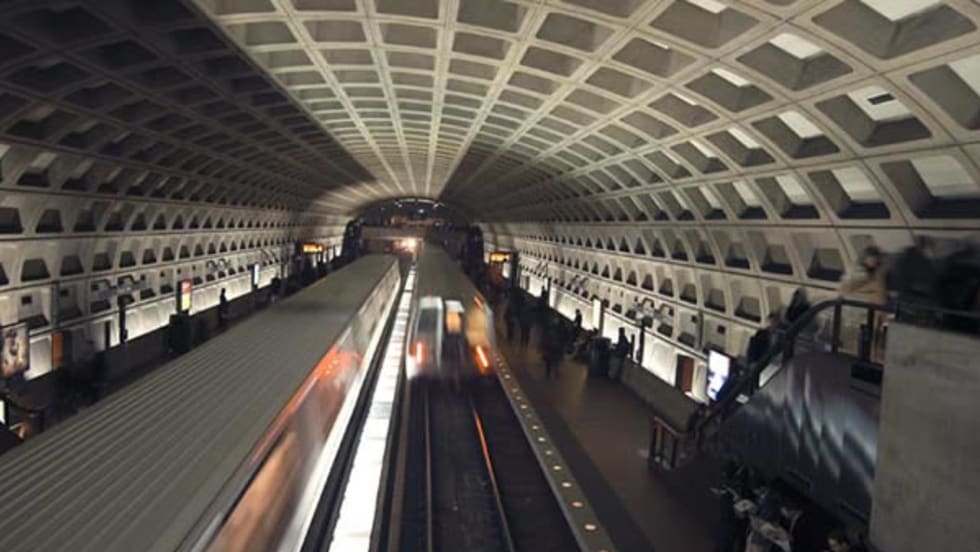


Last year, WMATA faced catastrophic cuts to service as it faced an unprecedented $750 million budget gap because of record inflation, more people working from home, and exhausting the last of the federal COVID relief funds for transit.
Read More →A $1.25 million federal boost lets CHA and CUTRIC map hydrogen fuel-cell buses and refueling hubs to help GTHA transit go zero-emission.
Read More →GSA had until September 30, 2009, to invest $300 million in new, more fuel-efficient vehicles for the federal fleet. Ahead of the deadline, GSA ordered 17,246 vehicles, including cars and buses from a total of six manufacturers.
Read More →The federal-state partnerships will support projects designed to cut delays and expand capacity on existing intercity passenger rail routes and help provide new services where none currently exist.
Read More →Among the administration's responsibilities is overseeing the implementation of civil rights laws and regulations in the nation's transit agencies. These laws include Title VI of the Civil Rights Act of 1964, which prohibits discrimination on the basis of race, color or national origin in programs and activities receiving federal financial assistance.
Read More →Issues to be reviewed this year include intelligent highway technologies, motor carrier operations, operator fatigue and rail car design.
Read More →Said the Chicago Transit Authority collected more federal aid than it should have after inflating mileage covered by its bus routes. Ordered the agency to revise its 2011 tally of revenue-producing miles and change the way it counts mileage from now on.
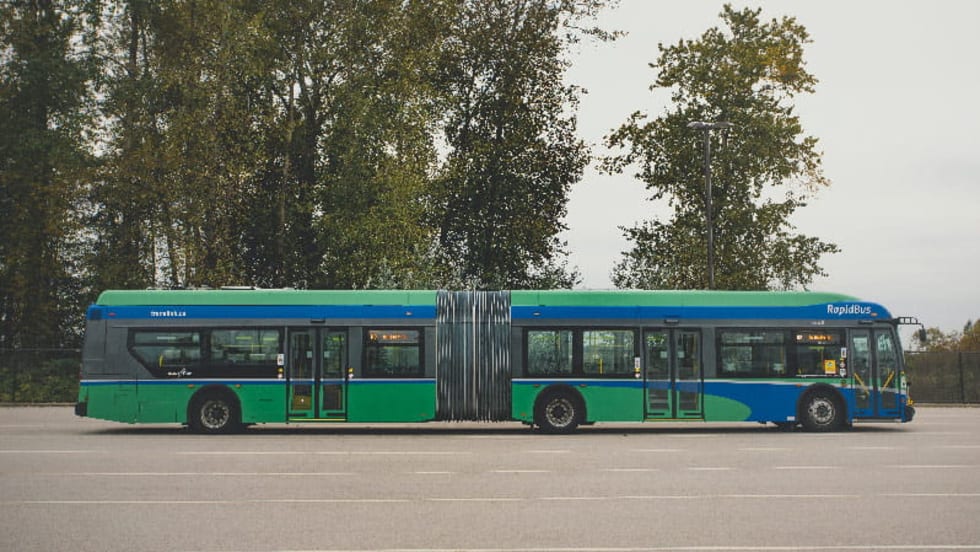
Read More →The federal budget submission requests funding to support the building of three new Bus Rapid Transit (BRT) projects, expansion of TransLink’s bus fleet, and more.
Read More →Peter Pantuso told members of the House Transportation and Infrastructure Committee that motorcoach transportation in the U.S. continues strong growth and remains exceptionally competitive against other modes of transportation, especially considering that Amtrak remains heavily subsidized by the federal government.
Read More →