
Metro Magazine

 MENU
MENU SEARCHMENUSEARCH
Loading data...

Will use the investment from Maryland, Virginia and Washington, D.C. to bolster efforts outlined in "Momentum," its strategic plan. Projects include laying the foundation for all eight-car trains, with power upgrades, station expansion designs and buses for priority corridors.
Read More →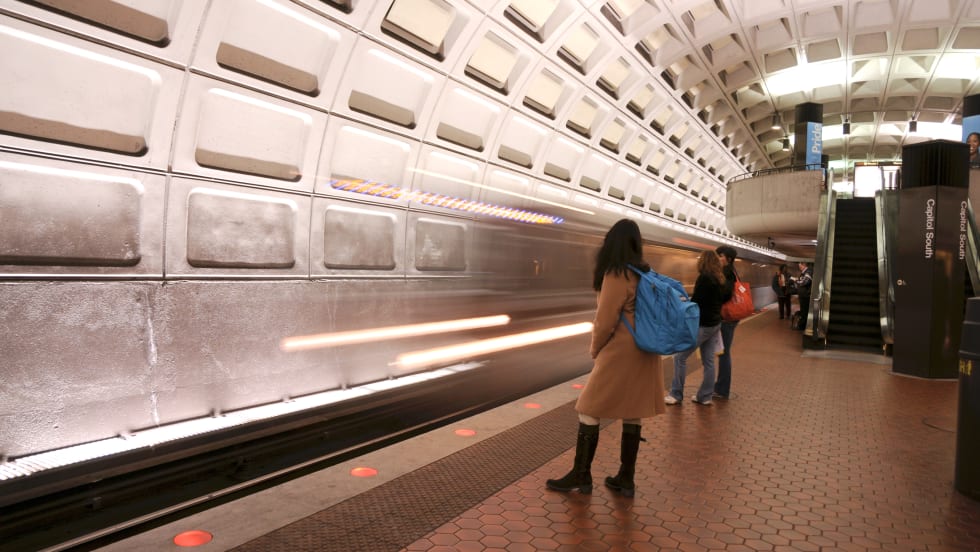

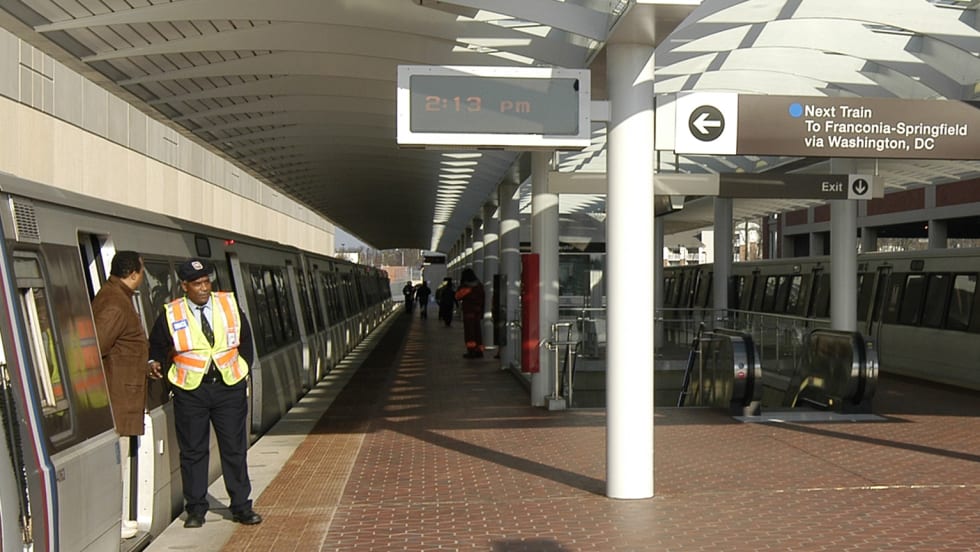
Richard Sarles spoke about a possible shutdown of the Red Line, digging pedestrian tunnels to connect Metro stations and how the new Silver Line will be a game-changer.
Read More →Under a $184 million contract, the supplier will replace the agency’s existing fare collection systems. The new system will let riders continue to use SmarTrip cards, while expanding fare payment to chip-enabled credit cards, federal government ID cards, and mobile phones using near field communications.
Read More →Includes ensuring appropriate coordination between all departments responsible for maintenance and design; and establishing a written procedure regarding rail lubrication for single-track operations over switch and turnouts. Brings the total number of recommendations closed to 20 out of 29.
Read More →Harold Ingram was working on the Red Line. Initial reports show leaking hydraulic fluid from an underground vehicle was ignited by welding equipment, causing an explosion and fire. Two Metro employees were in stable condition and suffered serious back-related injuries.
Read More →The contract contains a firm order for 85 BRT-styled diesel-electric hybrid 42-foot buses and options of up to 498 42-foot BRT-styled diesel-electric hybrid or CNG buses, and up to 71 (142 EUs) 60-foot diesel-electric hybrid buses over a five-year contract period.
Read More →Bus and rail service information will move off of agency's main Twitter account into two separate feeds with service information from Metro's operations control centers via the MetroAlerts system.
Read More →In a Washington Post op-ed piece, GM Richard Sarles wrote that since the system went into service, maintenance has been delayed at the expense of service.
Read More →Pilot program designed to enhance safety by increasing the opportunity for employee reporting of incidents or situations that have the potential for more serious consequences.
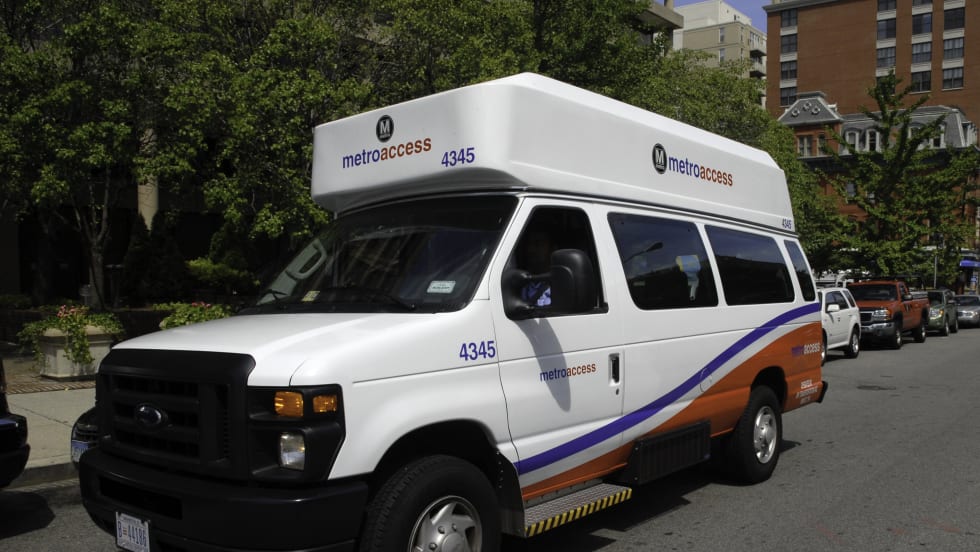
Read More →The contracts provide a new approach for determining when a paratransit vehicle is “late," as the contractor managing the scheduling and dispatching functions will share performance incentives and disincentives with the contractors delivering the service to customers.
Read More →