
Metro Magazine

 MENU
MENU SEARCHMENUSEARCH
Loading data...
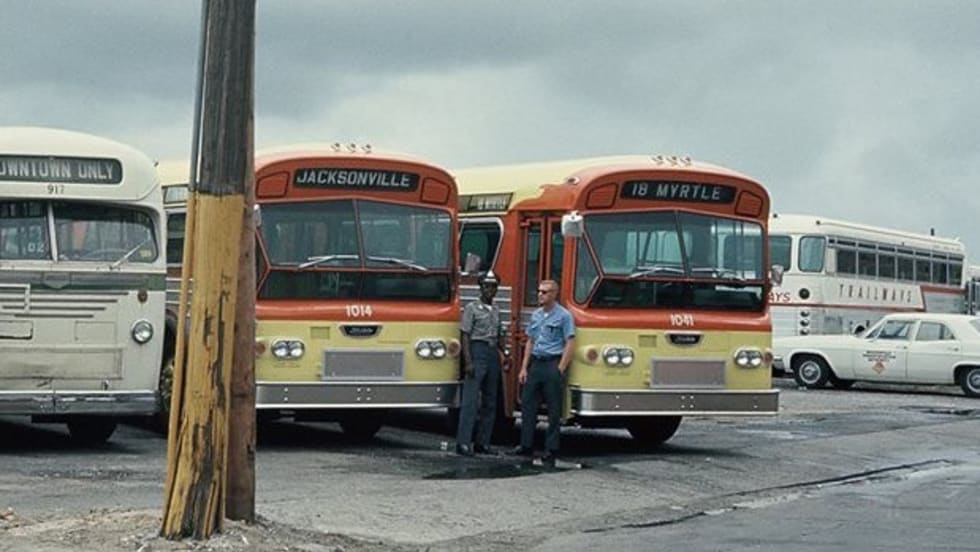
Today I’d like to mention a few effective policies that were routinely utilized in the past, which were (and for the few agencies that still practice them) very effective in producing safe bus operators, including covering your right, terminal checks and company vehicles.
Read More →

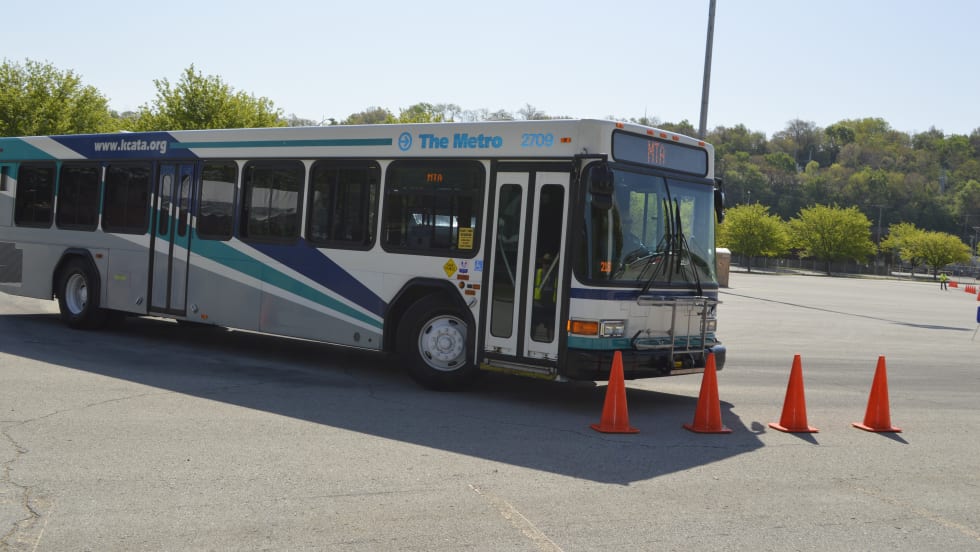
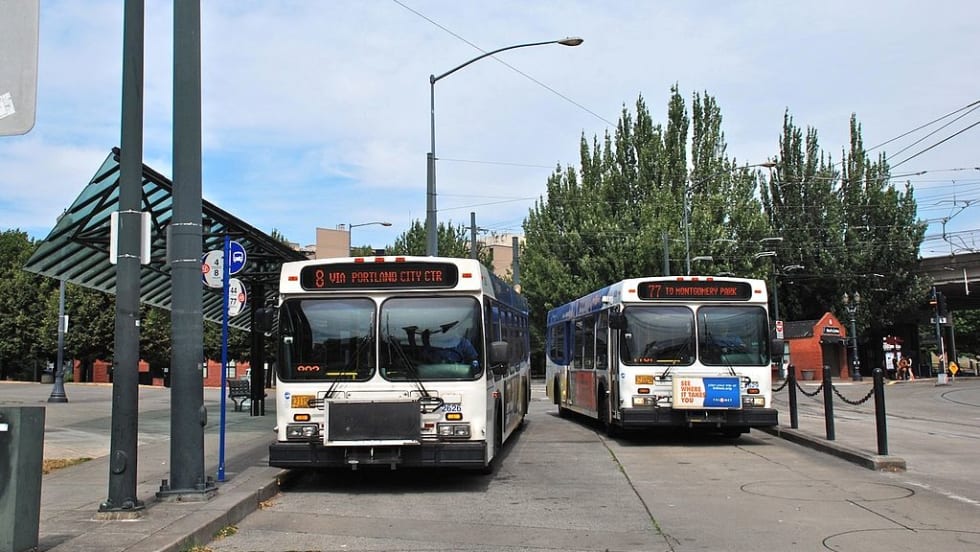

The 3 “S” rule of transportation — Safety/Service/Schedule — should not be limited to fixed-route bus service. Many modes of surface transportation can (and should) benefit from prioritizing the way in which we transport those that require our professional services.
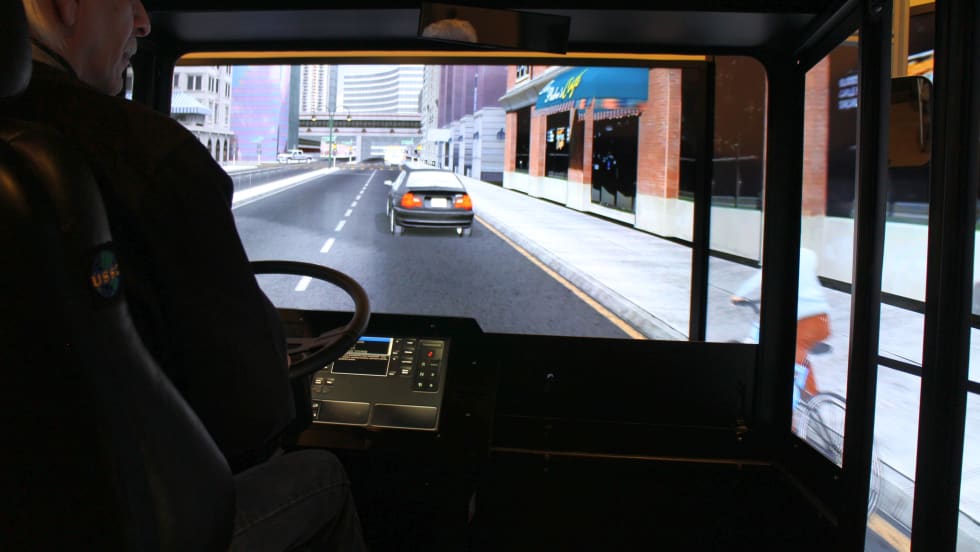
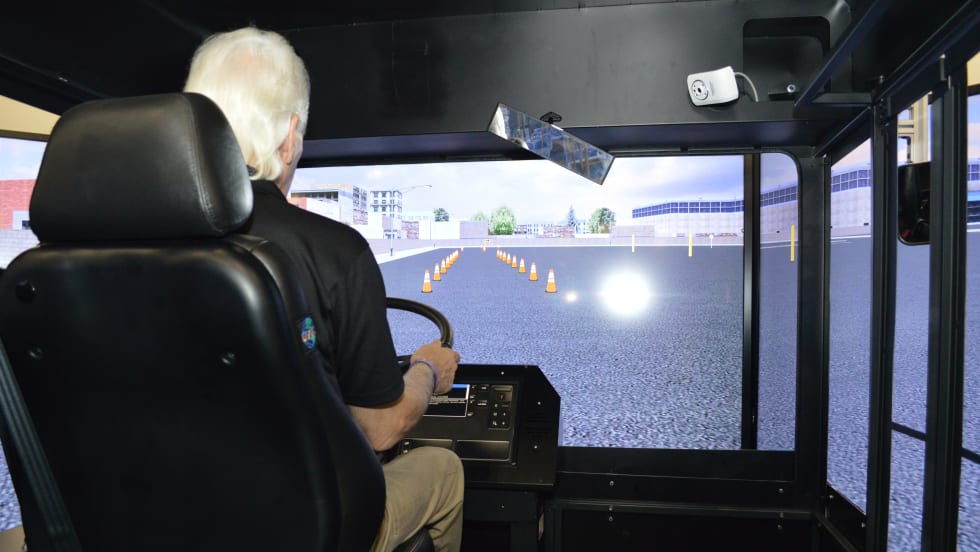
Read More →It’s no secret that I am a firm believer in bus simulator training. I enjoyed the benefits of utilizing simulators as a supplemental training tool during my days at New York City Transit. The simulators helped us produce outstanding results by targeting specific outcomes. If your simulator training is not producing what you expected it to deliver, the answer is plain and simple: something is wrong!
Read More →Those of you who take a few minutes each month to follow my blogs, or have attended one of my past presentations at transit events, first let me thank you. These blogs and presentations, in combination, have been promoting surface transit standards in a form of a standardized curriculum for over 10 years now. I ask you, are we not long overdue in getting transit specific standards a done deal? By the time of this posting, I would have again stood before a group of transit professionals at a recently attended transit function in Orlando, Fla., speaking on this exact topic.
Read More →A final day should mean exactly that, the end — no more — learning opportunities that had been available no longer exist. The clock has run out. Hopefully, there is a final day designated for trainees at your agency, a time where you draw the line and make a decision, because, as we all know, not everyone can operate a bus. For the trainee, the final day is the most pressure-packed day they will spend on the training bus. Any student entering their final day should be well-prepared and fully aware of what they are faced with, as all of the requirements should have been clearly covered as part of their first day orientation. Remember, no surprises!
Read More →I recently had the opportunity to view a video that captured what could have been a fatal pedestrian knockdown if contact had occurred. A bus overtaking another bus positioned in the bus stop zone occurs routinely and usually without incident, but if not performed correctly, this type of situation can end with catastrophic results.
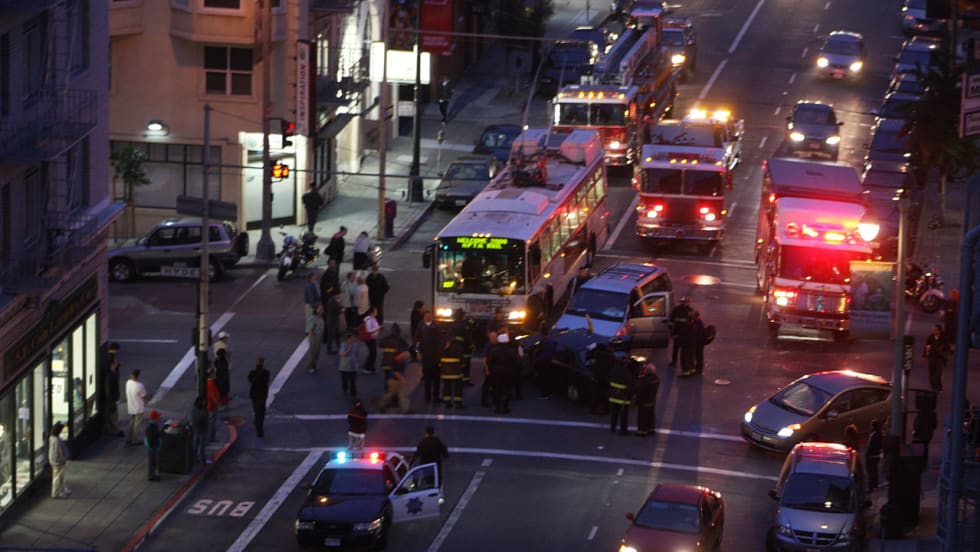
Read More →Are you getting frustrated because — in spite of what you’re doing — collisions are not dropping at your agency? With just a few tweaks, you can make a difference. If you are a chief training officer, training director, instructor or equivalent at your agency, then this message is for you.
Read More →Technology was not in my vocabulary as a kid, but now it's at the front of the line. I’m not saying I’m against it, but could we step back a moment and catch our breath when it comes to technology and bus operations? It seems what used to be a fairly unobstructed view of the road ahead, and to the sides of the bus using simple dashboards and adequately sized mirrors, now appears to resemble a cockpit of the world’s most sophisticated aircraft.
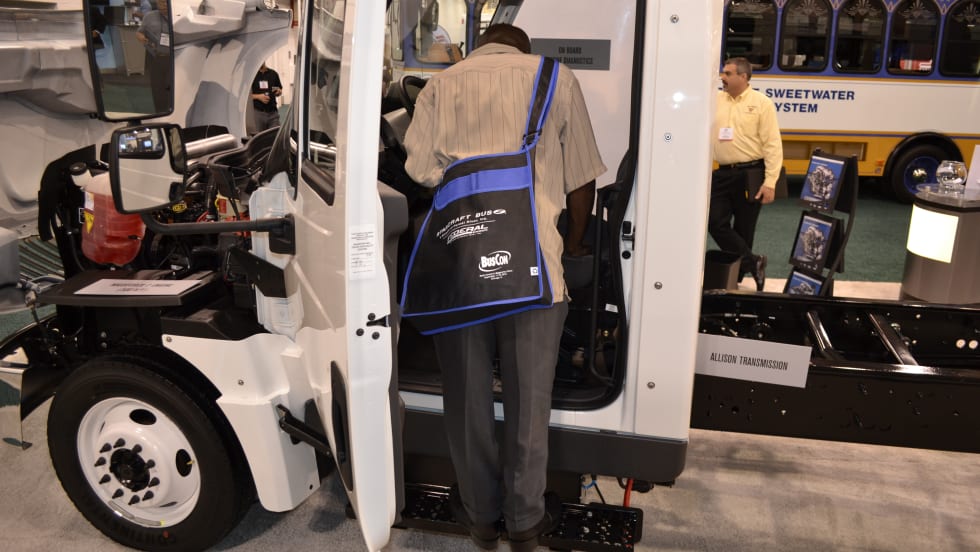
Read More →Well, another BusCon has come and gone and this year’s gathering was again the place to be. The abundant networking opportunities, the various presentation topics and the industry’s latest offerings made it a win — for all! I would like to thank all of you that were part of the standing room only audience that attended the session given by my colleague Steve Mentzer and I, representing L-3.
Read More →This year I’ve been given the opportunity to present a session with my colleague, Steve Mentzer. Our session will take place on Tuesday morning, Sept. 14 at 8:30 a.m. and is entitled: “Creating a Driver Training Program from Start to Finish.” This discussion will appeal to those of you seeking to create an end-to-end driver training program utilizing an array of resources to bridge all learning modalities.
Read More →