
Metro Magazine

 MENU
 SEARCHMENUSEARCH
Loading data...
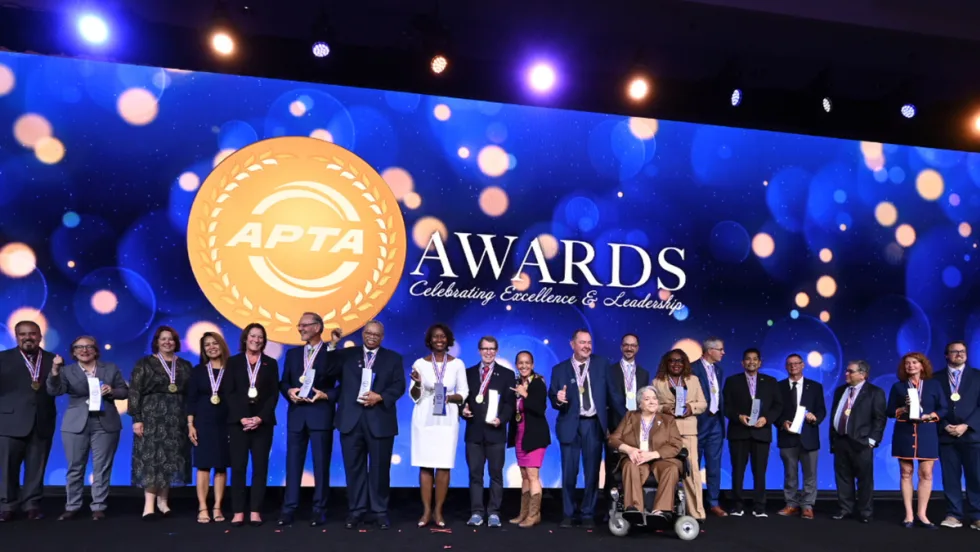
Innovations in autonomous and zero-emission transportation, standout transit systems, and industry leadership took center stage among this year's honorees.
Read More →
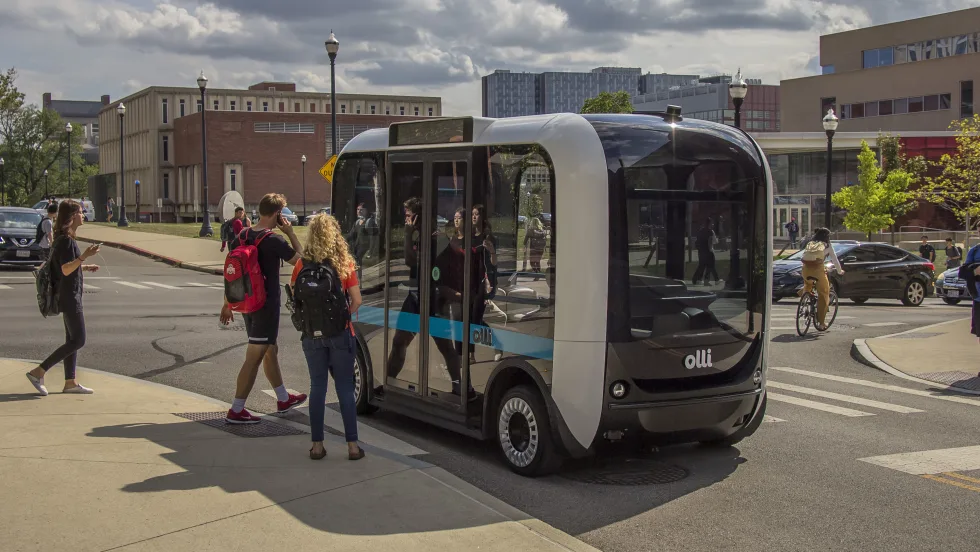






More than $191 million in federal funding will help three transit agencies replace aging rail vehicles and support a new autonomous shuttle service in Chattanooga.
Read More →This technology will forever change transportation on a local level and national scale; the time is ripe for public transit agencies and OEMs to be more visible in shaping the outcome of these discussions, regulations, and laws.
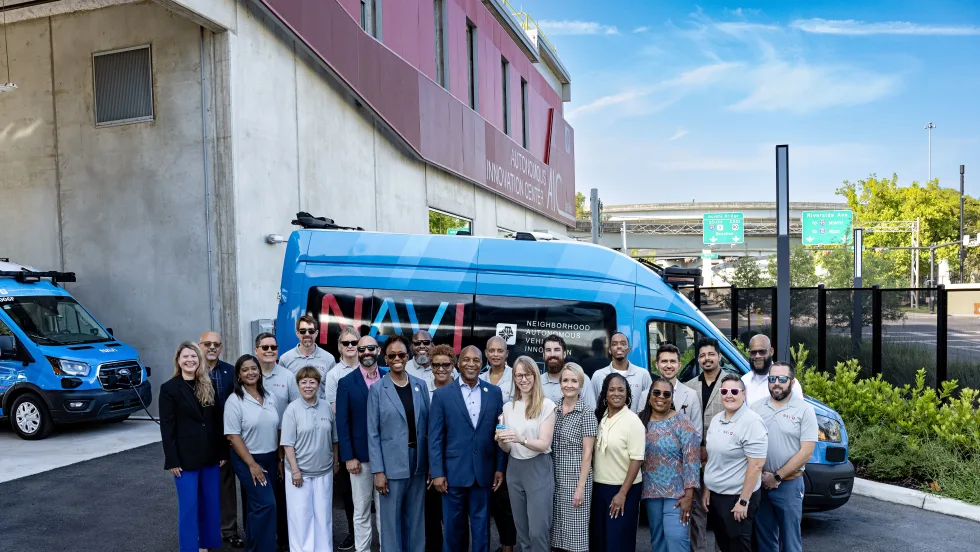
Read More →During its first year of operation, NAVI has transported over 15,200 passengers and traveled more than 61,000 miles in autonomous mode without a safety incident caused by the autonomous driving system.
Read More →For Volvo, this will be its first autonomous application in public transportation anywhere in the world.
Read More →Craig Shankwitz will lead the development of MSU's Western Transportation Institute research team that will explore and develop applications of autonomous and connected vehicle technologies to roads and transportation systems in rural areas and small cities, in both the public and private sector.
Read More →Sacramento State competed in and won an Olli fleet challenge for presenting a best-use scenario for the eight-person vehicle.
Read More →Auro Shuttles are equipped with lasers, camera, radar and GPS providing it a complete 360-degree vision under all environmental situations.
Read More →The shuttle uses an array of sensors outside of the vehicle providing a full 360-degree view of the environment.
Read More →Although the focus of each of the three strategically located facilities will be broad, each will feature a different core discipline. TRI-ANN will focus primarily on fully autonomous (chauffeured) driving.
Read More →