



Public Transit Needs a Voice in Automated/Autonomous Vehicle Regulatory Talks
This technology will forever change transportation on a local level and national scale; the time is ripe for public transit agencies and OEMs to be more visible in shaping the outcome of these discussions, regulations, and laws.

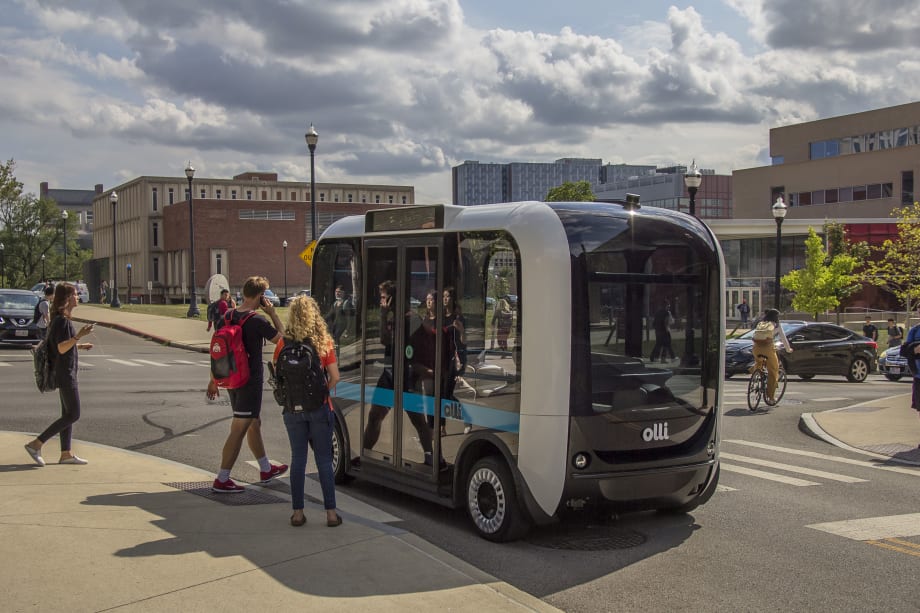
Local Motors' electric, driverless shuttle, Olli, can accommodate up to eight people. Photo: Local Motors
Local Motors' electric, driverless shuttle, Olli, can accommodate up to eight people. Photo: Local Motors
The discussion of automated and autonomous vehicles is not new, but it has recently drawn national attention as automakers announce bold targets to fully automate their vehicles, federal agencies begin crafting regulations, Congress considers legislation to oversee the safe testing and deployment of emerging technologies, and innovative business models and partnerships materialize.
Over the last few years, the U.S. Department of Transportation (U.S. DOT) has sought information from stakeholders and published proposals related to the oversight of automated and autonomous vehicles. Automated and autonomous vehicles will forever change transportation on a local level and national scale; the time is ripe for public transit agencies and original equipment manufacturers (OEMs) to be more visible in shaping the outcome of these discussions, regulations, and laws.
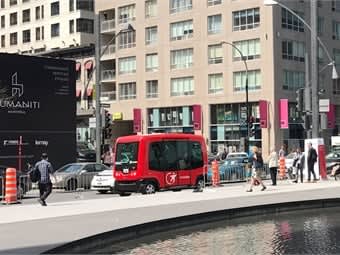
Transdev has been selected to operate an autonomous shuttle pilot for Florida’s Jacksonville Transportation Authority. Photo: METRO Magazine
Public transit agencies should have a critical, and for practical purposes, a compulsory voice in this conversation — dictated by self-preservation and an effort to safeguard its control in applying proven technologies to their fleets. These technologies hold the promise of enhanced safety, lower transit operating costs, improved traffic congestion, and facilitate public-private partnerships to fund such endeavors. Yet, the transit industry has a considerable challenge ahead to position itself to influence the legislative and regulatory process; simultaneously, leveraging technologies and adapting to the unavoidable changes that follow their adoption.
Few agencies have begun to test and deploy automated or autonomous bus transit in revenue service on fixed routes. Public transit agencies should consider engaging in activities that help define the roles transit can take in automating fleets and partnering with private entities to deploy autonomous vehicle technologies. One way this is accomplished is by partnering with local research universities, OEMs, and established transportation network companies using automated or autonomous technology for first-mile/last-mile solutions. Public transit agencies’ involvement in the development of automated and autonomous vehicles, through their own investments, public-public partnerships, or public-private partnerships will enable the industry to understand the requirements and effects of the technology and better prepare its transit systems for adoption in the future.
One possible reason as to why few public transit agencies have pursued such pilots and partnerships is the lack of legal and regulatory clarity, which has created an environment of uncertainty for many, including automakers, software companies, OEMs, and naturally, public transit leadership. The deliberately unhurried regulatory landscape makes such arrangements challenging; however, it offers an opportunity for stakeholders to provide their unique perspective and shape the regulatory outcome. In addition to providing public transit’s voice throughout the process, agencies should consider advocating for an adaptive regulatory approach.
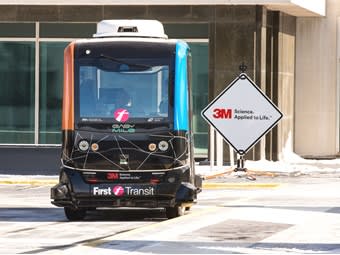
In January 2018, First Transit partnered with the Minnesota Department of Transportation, EasyMile and 3M to demonstrate shared autonomous vehicle capabilities in winter weather. Photo: First Transit
Though desirable to cure the uncertainty public transit agencies face, early regulatory action carries its own problems. Rules, regulations, and federal agency guidance, once established, needs to adapt to the advent of new technologies and business models. Given the rapid advancements in technology, federal regulators should implement an adaptive regulatory process by which the government maintains a consistent review of its policies, guidance, and rules, as the technology matures. Federal regulations have the potential to codify idealistic expectations, resulting in antiquated requirements that insulate the favored regulatory outcome from being flexible towards future technologies and accompanying issues of integrating those technologies into the real operating environment.
Public transit agencies ought to encourage a regulatory model that would adapt existing and developing rules as much as possible. This touches on a number of issue areas related to automated and autonomous buses; including, Buy America compliance, mass transit employee protections, infrastructure, cybersecurity, insurance and liability, handling of data, inspection requirements, and vehicle operation. Transit agencies and federal regulators need to understand the current and potential future landscape of automated and autonomous public transit and should refrain from establishing regulations that inhibit the development of technology or discourage its innovative applications. To be successful, the regulator and regulated entities must view each other as equal partners in advancing to a new level of mobility service.
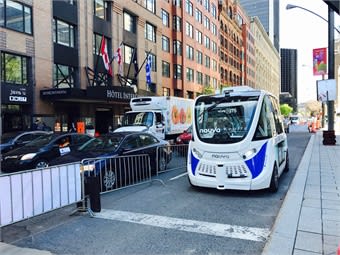
Navya's electric-powered AUTONOM CAB, shown in Montreal at UITP 2017, began service in January 2018, which is operated by Keolis. Photo: METRO Magazine
The current evolving regulatory framework regarding the testing and deployment of automated and autonomous vehicles is being driven at the state level. According to the National Conference of State Legislators, in 2017, 33 states introduced legislation related to autonomous vehicles. The public transportation industry needs to be continuously and fervently engaged at all levels of government. With so much change occurring, it can be tempting to sit back and wait for the puzzle to take shape; however, public transit agencies should be involved with the policy and regulatory changes as they unfold.
Bennett E. Resnik is Assistant Counsel and Manager of Government Relations for Cardinal Infrastructure LLC. The views and opinions expressed in this article are solely those of the author and do not necessarily reflect the views of Cardinal Infrastructure LLC or its clients.
More Blog Posts
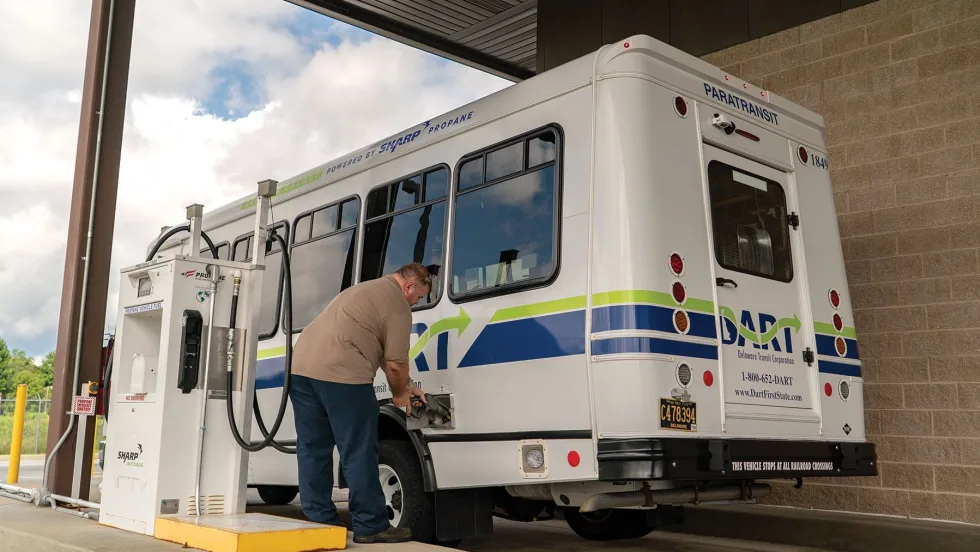
Building a Winning FTA Grant Proposal: Why Propane Autogas is the Pragmatic Choice for Fleet Resilience
With $610 million available through the FY 2026 Buses and Bus Facilities Competitive Program and the Low or No Emission Grant Program, agencies must build a compelling case before the September 21 deadline that balances environmental compliance with operational feasibility.
Read More →
Velo-city Conference 2026: Latest Trends in Cycling as Part of Urban Mobility
The global cycling conference highlighted how cities are integrating bicycles into multimodal transportation networks, expanding cycle tourism and reshaping urban mobility.
Read More →
Kindness Isn’t Soft...It’s Strategic.
Mike Bismeyer — often known as “The Kindness Guy” — has spent more than 17 years in public transit and mobility, serving in industry leadership roles, speaking across North America, and advocating for stronger workplace cultures. But his message doesn’t come from theory. It comes from lived experience.
Read More →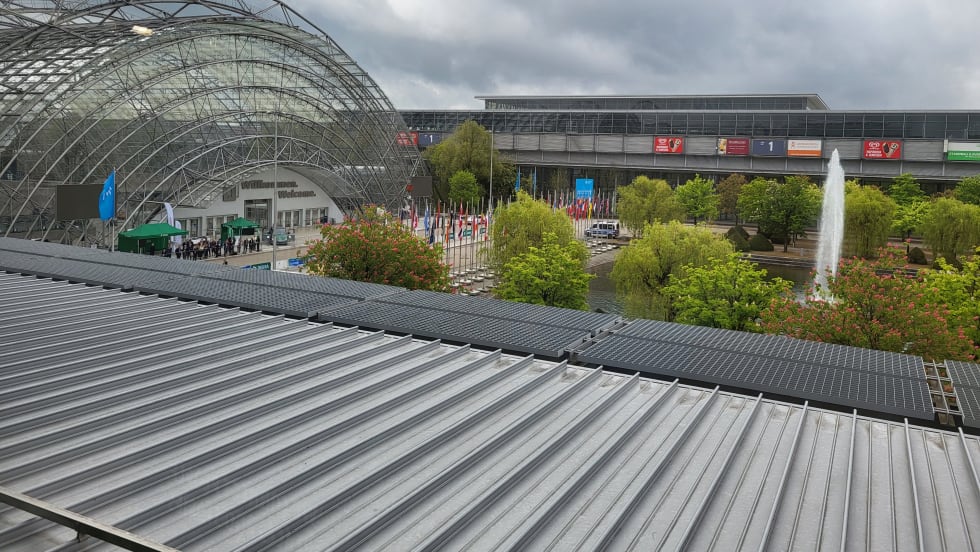
Inside ITF 2026: Transport Reacts to A Challenging World
Transport leaders from around the world gathered in Leipzig, Germany, for the 2026 International Transport Forum to discuss resilience, climate impacts, supply chains and the future of sustainable mobility.
Read More →
Every Ride Tells a Story — But You’re Not Just Selling the Ride
You’re selling the moment, the meaning, and the emotion behind it.
Read More →
How Digital Signage is Reshaping the Traveler Experience at Transportation Hubs
What was once a landscape of static signs has evolved into a responsive, immersive environment powered by real-time visual communication.
Read More →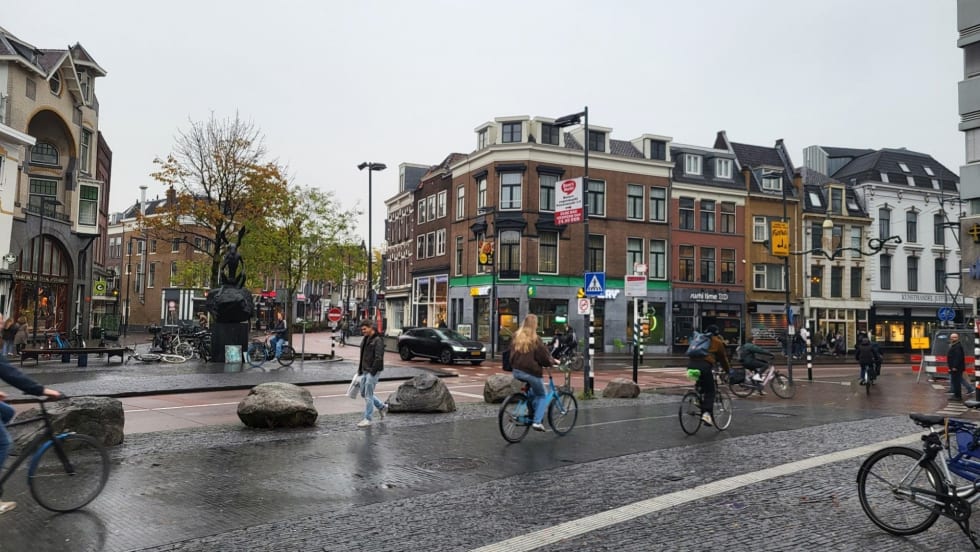
Latest Trends in Urban Mobility from Polis Conference 2025
Polis comprises cities and regions, as well as corporate partners, from across Europe, promoting the development and implementation of sustainable mobility. This year’s event had over a thousand attendees across various policy forums and an exhibition.
Read More →
Why Transit Leaders Require Better Tools for Operational Clarity In Today’s Tech-Fragmented Environment
Across North America and beyond, transit agency officials are contending with a perfect storm of operational headaches and strategic challenges that hamper daily service and long-term progress.
Read More →
The Powerless Brokers: Why California Can’t Build Transit
It is no secret that transit in the U.S. is slow and expensive to build.
Read More →
Why Transport Sustainability Should Focus on People Instead of Cars
Simply incentivizing electrification is not enough to make a meaningful impact; we must shift our focus toward prioritizing public transportation and infrastructure.
Read More →