
Metro Magazine

 MENU
 SEARCHMENUSEARCH
Loading data...
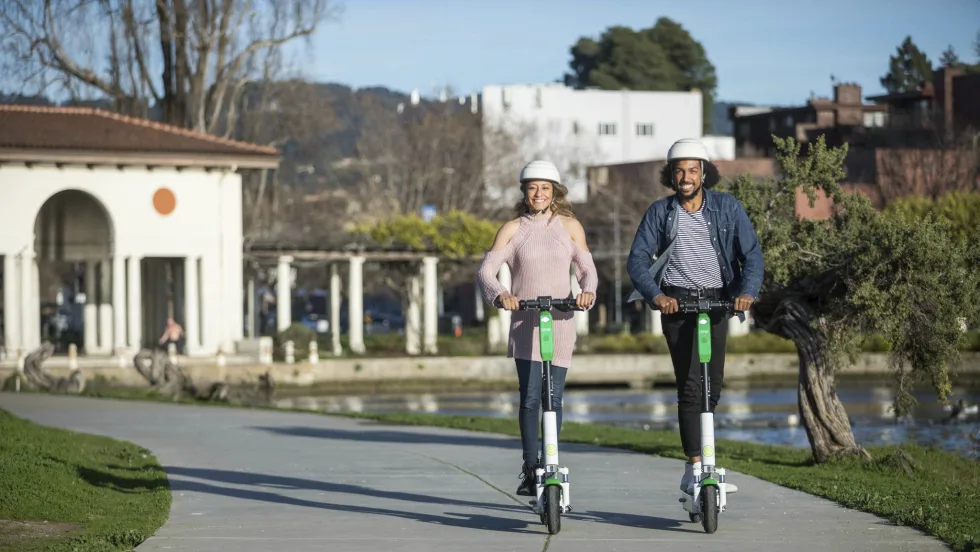
To help solve connectivity gaps, potentially win back transit riders/ expand to a broader market, and propel a culture shift toward multi-modalism.
Read More →



The $1.38 billion budget includes efficiency reforms and 1,000 new customer-facing jobs. This is the third consecutive budget that preserves capital investment in the transit system without diverting capital funds to balance the operating budget, a past practice that stunted critical infrastructure projects.
Read More →The Ventra app, developed and launched by Cubic, CTA, and its transit partners in November 2015, is a free, first-of-its kind, truly regional transit application in the U.S. that allows customers to plan, manage, and pay for their journeys across three transit systems from their mobile devices
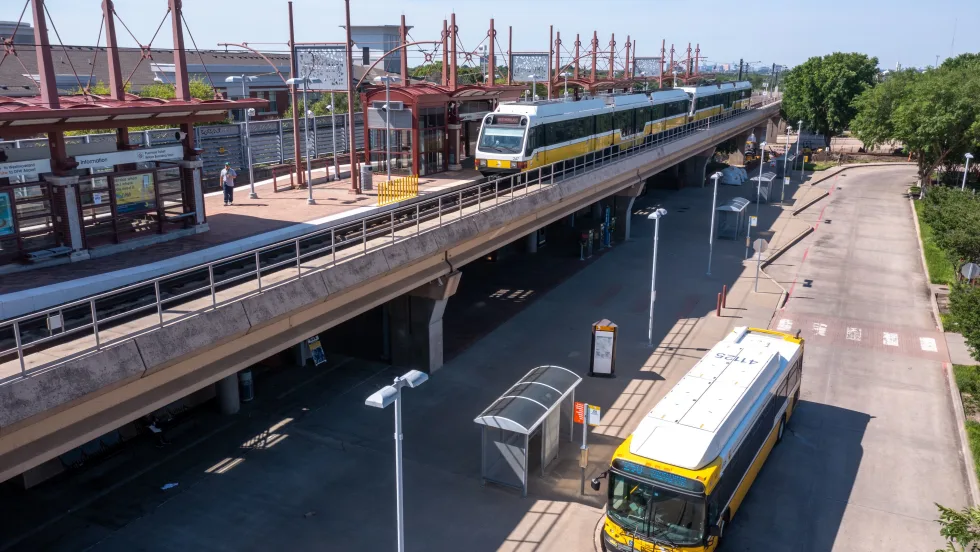
Read More →The approved contract modification will increase funding for transit security officer services to a total not-to-exceed amount of $32.1 million, ensuring a continued and visible security presence across DART’s buses, trains, stations, and facilities.
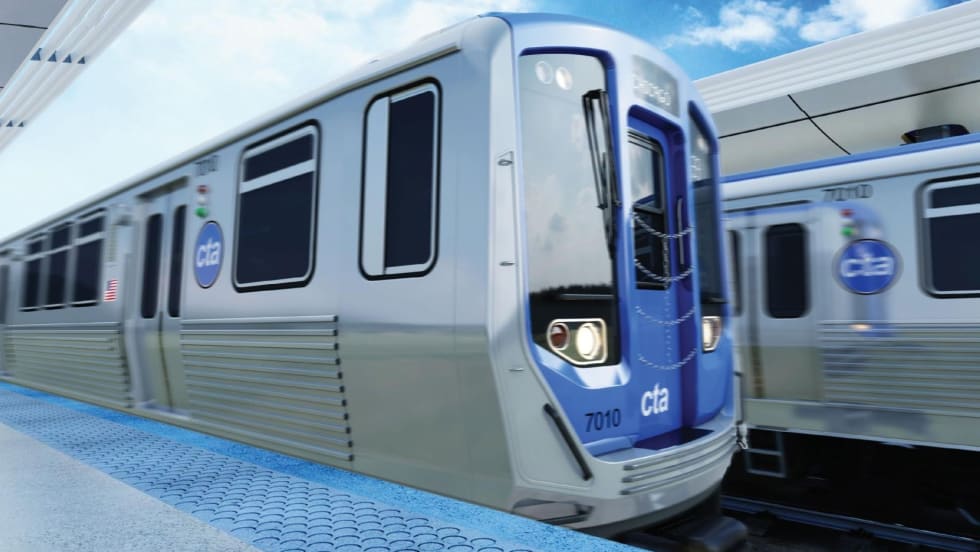
Read More →The new vehicles will help meet growing ridership demand and improve security with up-to-date technology. Modernizing CTA’s rail fleet also will improve the reliability of transit service and give passengers a smoother, more comfortable ride.
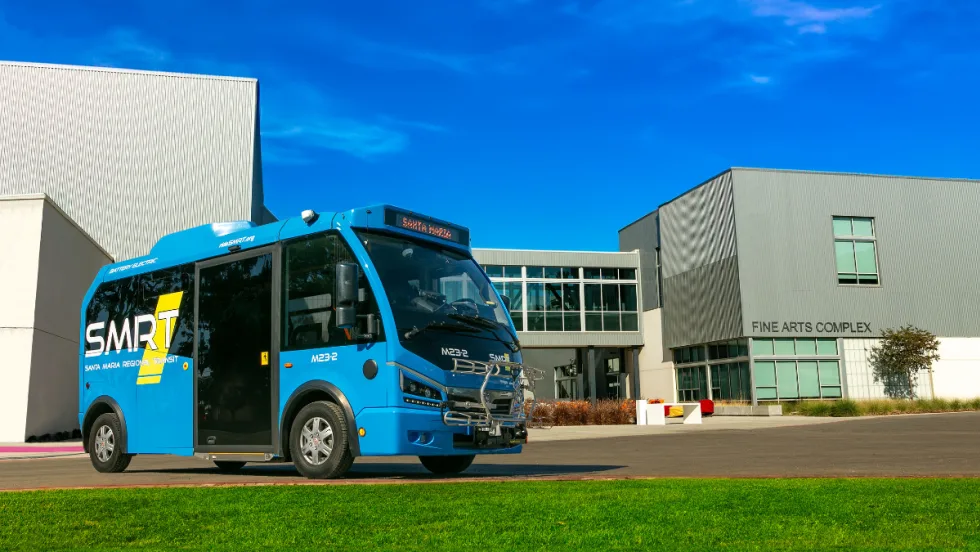
Read More →From all-electric buses and real-time data analytics to an autonomous security robot, SMRT is showing how smaller transit systems can lead the way in modernization.
Read More →Beginning in mid-December 2012, the Crowding Reduction Plan will add service to 48 bus routes, including the busiest and most crowded bus routes in the city, during peak times. It will also add 17 rail trips to the various lines during weekday rush periods.
Read More →The $33 million station improvement plan for California, Western and Damen will provide customers a safer, more comfortable transit experience, and are part of the ongoing modernization of CTA train and bus service across the city.
Read More →The survey, conducted by the RTA, shows that about 80% of riders plan to resume their pre-COVID level of transit use, but increased telecommuting is likely to persist.
Read More →The Executive Order has two parts. Within 45 days from signing, the Commissioner of Transportation, in her capacity as Chair of the NJ TRANSIT board, will develop and send to the Governor a comprehensive plan to improve riders’ experiences.
Read More →