



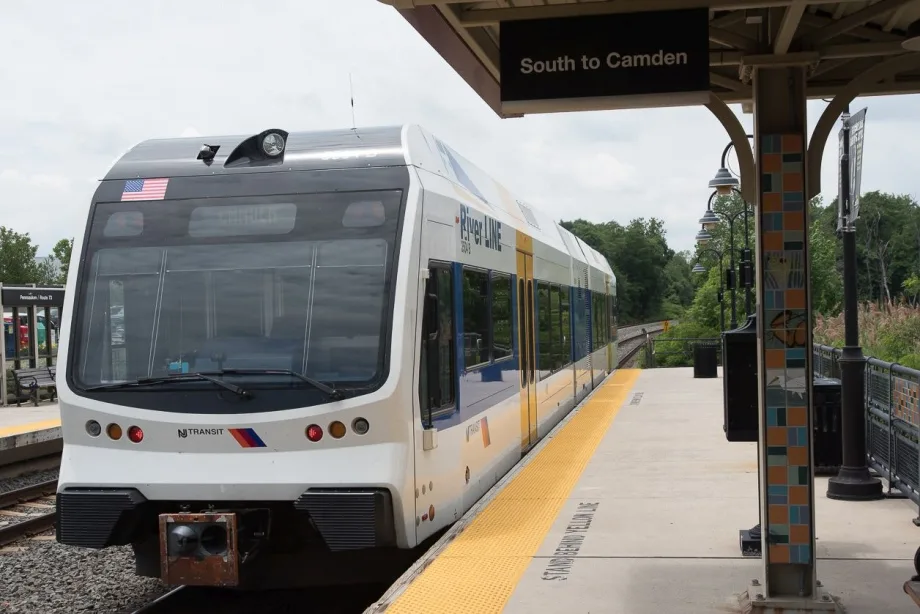
New Executive Order Targets Better Rider Experience on NJ TRANSIT
The Executive Order has two parts. Within 45 days from signing, the Commissioner of Transportation, in her capacity as Chair of the NJ TRANSIT board, will develop and send to the Governor a comprehensive plan to improve riders’ experiences.

In the 45 days following the delivery of the plan, NJ TRANSIT will fast-track implementation of the highest priority initiatives so that, by June 22, NJ TRANSIT riders begin to see immediate improvements toward a safer, cleaner, and more reliable ride.
NJ TRANSIT
- An Executive Order aims to enhance the NJ TRANSIT rider experience.
- The Commissioner of Transportation, as Chair of the NJ TRANSIT board, is tasked with developing a comprehensive plan.
- The plan must be submitted to the Governor within 45 days of the order's signing.
*Summarized by AI
Governor Mikie Sherrill signed Executive Order No. 16, which requires NJ TRANSIT to improve the commuter experience. https://
“New Jersey residents deserve a world-class transit system, and Governor Sherrill’s Executive Order is a clear demonstration of our shared commitment to improving the customer experience for all New Jersey Transit riders,” said NJ TRANSIT Chair and Acting NJDOT Commissioner Priya Jain. “The goals of the Executive Order and the focus on public engagement will help in moving our transportation system forward, and I look forward to working with NJ TRANSIT CEO and President Kris Kolluri in executing the Governor’s vision.”
The Governor’s Executive Order
The Executive Order has two parts. Within 45 days from signing, the Commissioner of Transportation, in her capacity as Chair of the NJ TRANSIT board, will develop and send to the Governor a comprehensive plan to improve riders’ experiences.
Governor Sherrill is directing the Commissioner to focus the plan on the following priority areas:
- Cleanliness of NJ TRANSIT stations, stops, buses, and railcars.
- Accessibility of NJ TRANSIT-owned properties, including escalators and boarding areas.
- Public safety, including lighting, cameras, and law enforcement presence at stations and stops.
- The digital experience for riders, with a focus on the usability and reliability of real-time tracking features on the NJT website and mobile app.
Next Steps?
To inform the development of this plan, the NJ TRANSIT Customer Advocate will hold three public listening sessions and develop a public survey to be posted on the NJ TRANSIT website. The Customer Advocate will report the survey results and feedback from the listening sessions within 30 days.
In the 45 days following the delivery of the plan, NJ TRANSIT will fast-track implementation of the highest priority initiatives so that, by June 22, NJ TRANSIT riders begin to see immediate improvements toward a safer, cleaner, and more reliable ride.
Quick Answers
The purpose of the new Executive Order is to initiate the development of a comprehensive plan aimed at improving the rider experience on NJ TRANSIT.
*Summarized by AI
More Management
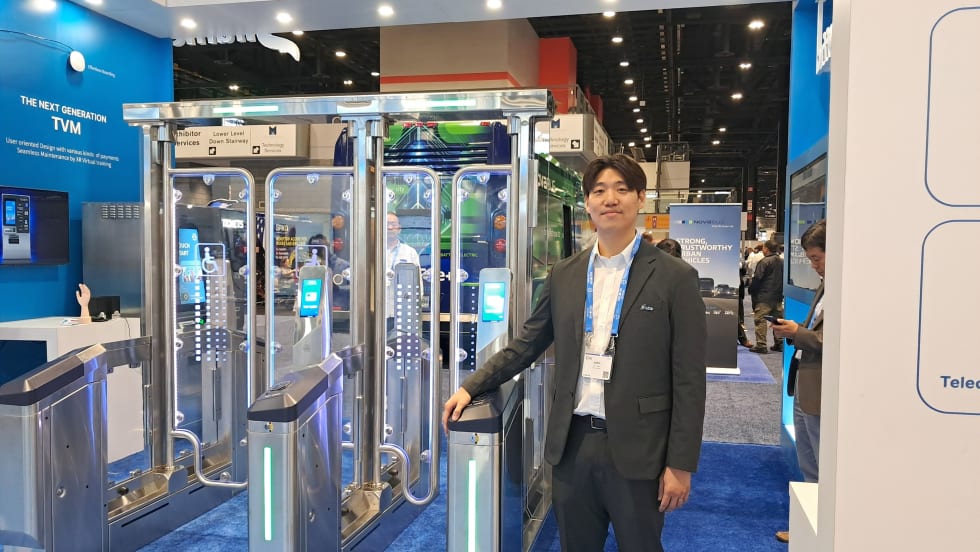
STraffic Expands North American Presence with Fare Collection Technology
Deck: John Moon, Associate Director, Product Strategy at STraffic, discusses the company's growth in North America, its efforts to reduce fare evasion, and more.
Read More →
Study: Denver RTD Generates $2.1 Billion in Annual Economic Activity
An economic impact study finds the agency supports approximately 17,500 jobs, delivers $1.6 billion in annual community and mobility benefits, and generates $2.42 in economic value for every dollar invested.
Read More →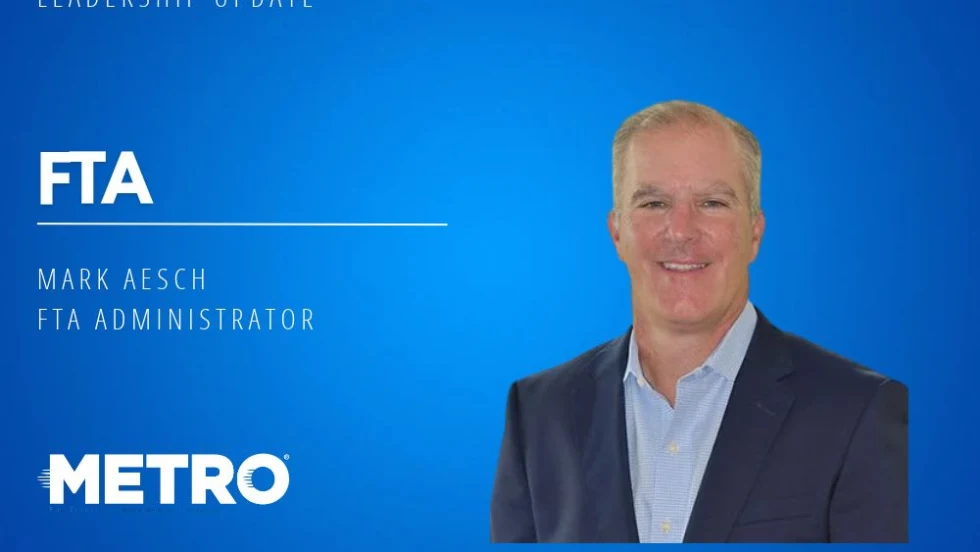
Mark Aesch Nominated to Lead Federal Transit Administration
The former Rochester transit chief and TransPro founder, who has also contributed to METRO Magazine, brings decades of industry experience and a focus on performance, accountability, and financial sustainability to the nomination.
Read More →
Best and Worst U.S. Cities for Public Transportation in 2026
A new analysis of 50 major U.S. urban areas ranks public transit systems based on accessibility, affordability, usefulness, and safety, highlighting where transit performs best and where challenges remain.
Read More →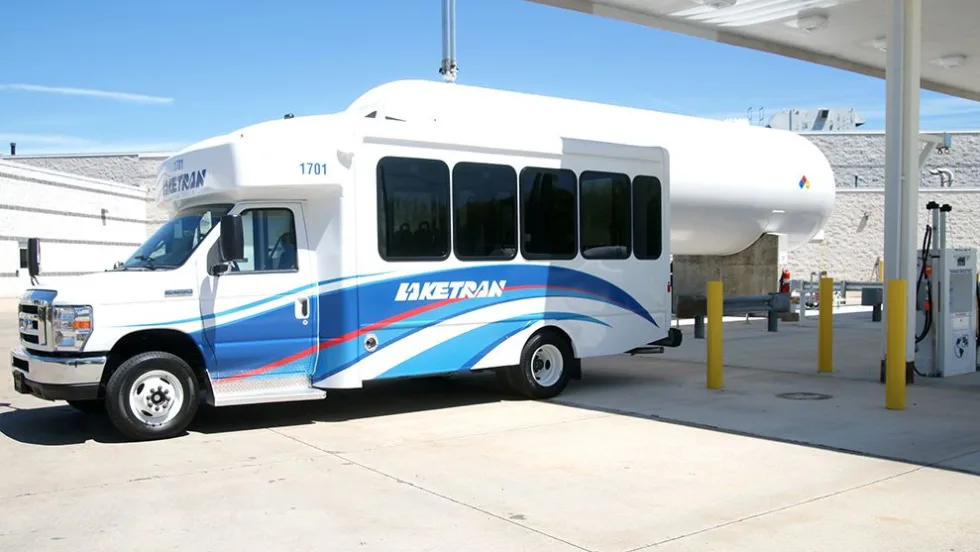
Laketran Cuts Fuel Costs, Boosts Efficiency with Propane-Powered Fleet
The Ohio transit agency is using propane-powered vehicles and on-site fueling infrastructure to cut fuel and maintenance costs while meeting growing demand for paratransit services.
Read More →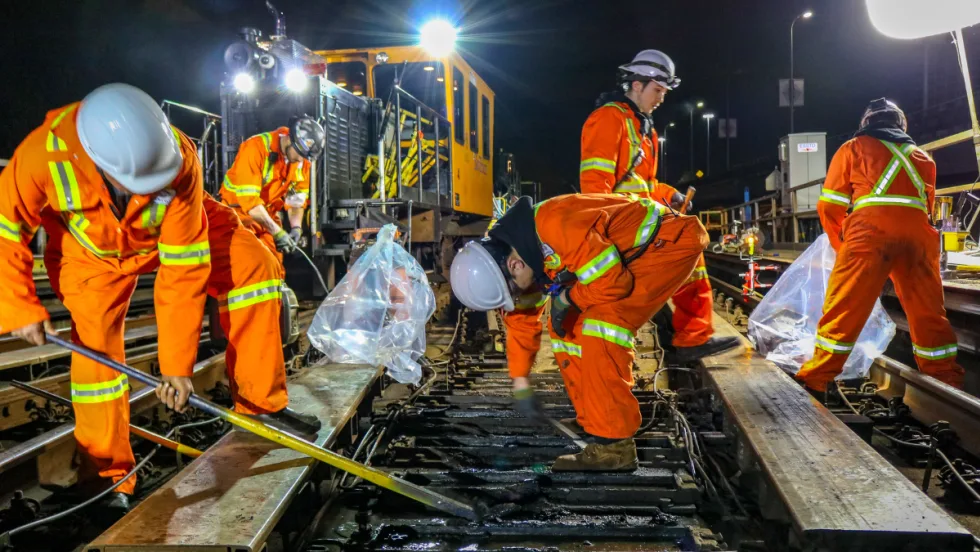
Canada’s Public Transit Supports $65.6 Billion in Annual GDP
New research from the Canadian Chamber of Commerce examines transit's economic contributions, including job creation and the financial implications of transportation investment.
Read More →
Pierce Transit Moves to Expand Fleet Following Proposition 1 Approval
The agency authorized the purchase or refurbishment of up to 60 buses to support a 47% service expansion, as voters nationwide approved billions in new transit funding.
Read More →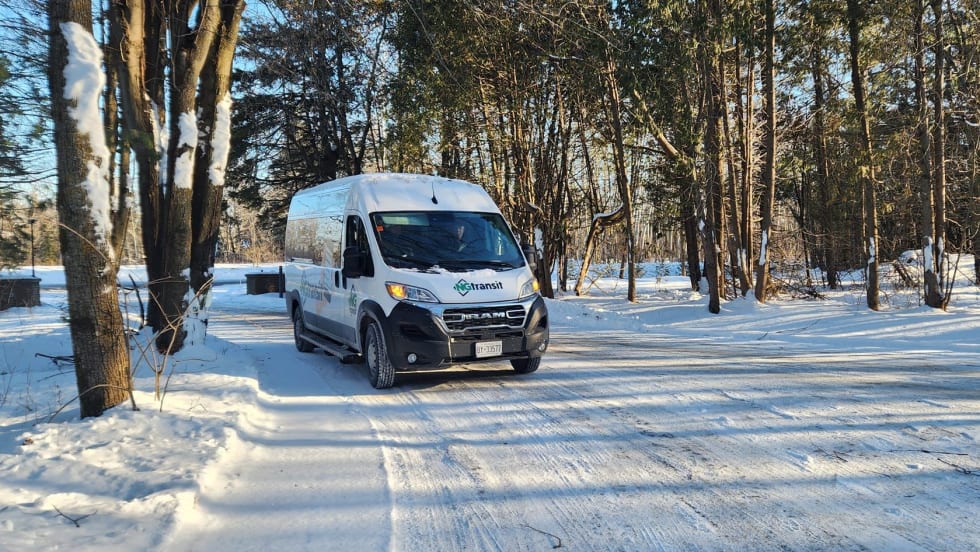
Right-Sizing Rural Transit: Lessons from North Grenville’s On-Demand Model
A small municipality shows how flexible service, rider needs, and public accountability can expand mobility with limited resources.
Read More →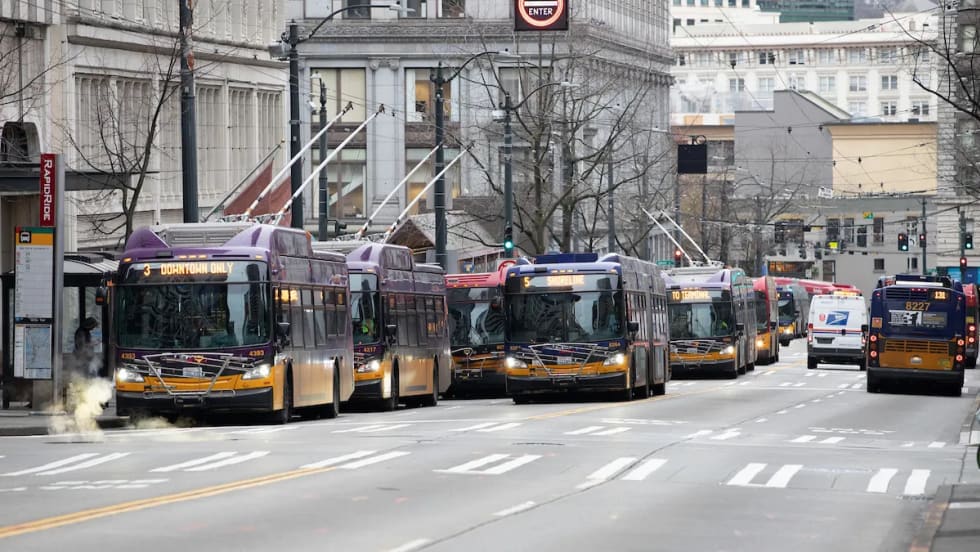
Transit Ballot Victories Signal Strong Voter Support: What Comes Next?
Voters approved billions in public transportation investments in 2026, giving agencies opportunities to preserve service, expand operations, and strengthen regional connections amid a changing political landscape.
Read More →
Transit Expands Agency Partnerships, Reaching 200 Official App Partners
COO Jake Sion discusses Transit’s growth, the success of its Transit Royale program, and how technology is helping agencies improve the rider experience.
Read More →