
Metro Magazine

 MENU
 SEARCHMENUSEARCH
Loading data...
The grants support organizations that coordinate public transportation for underserved groups, allowing them to access healthcare, community services, education, and jobs by building partnerships among health, transportation, and human services providers.
Read More →






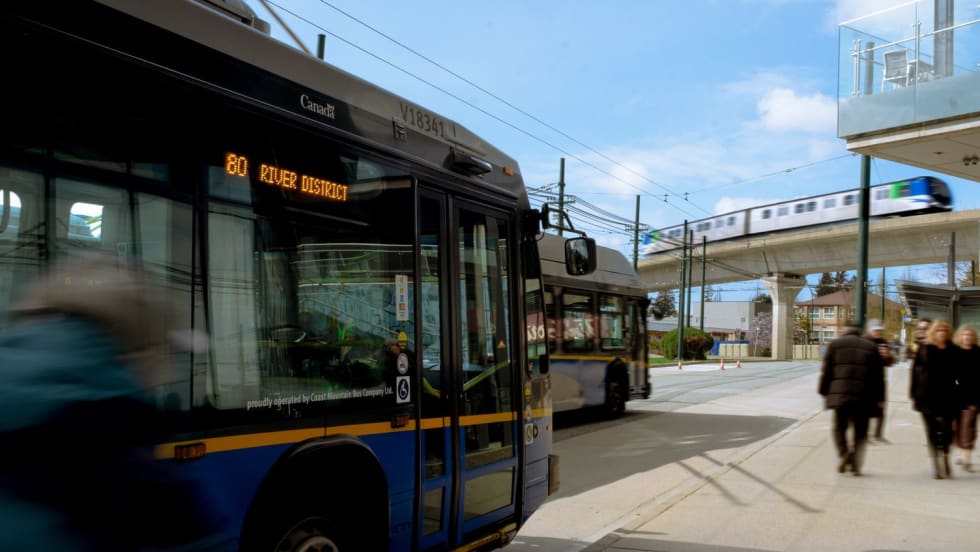
State programs will use the grants for a variety of efforts, including “See Tracks? Think Train!” PSA placements in movie theaters, on television, radio and billboards; digital media outreach; and conducting community events and rail safety enforcement blitzes.
Read More →President William A. Millar called on Congressional leaders to pass a well-funded six-year multimodal surface transportation bill, and eliminate burdensome requirements and approval processes in the New Starts program.
Read More →Support increases significantly when proposed measures are tied to specific outcomes, particularly roadway safety and infrastructure maintenance.
Read More →The funding is aimed at reconnecting communities cut off by transportation infrastructure decades ago, leaving entire neighborhoods without direct access to opportunity, like schools, jobs, medical offices, and places of worship.
Read More →This year’s Notice of Funding Opportunity brings notable changes to the grant qualification process.
Read More →The $2.6 billion combined operating budgets for both conventional and Wheel-Trans paratransit services and represents a 7.5% increase over the approved 2023 budget.
Read More →Funded by the Bipartisan Infrastructure Law, the East Colfax Avenue BRT will provide faster, more frequent transit for residents and commuters between downtown Denver and the Colfax light rail station in Aurora, Colo.
Read More →Starting with model year 2027, EPA requirements state that all new diesel on-road trucks and motorcoaches must be engineered to avoid sudden and severe power loss after running out of DEF. Find out more about what led to the EPA's decision and how it will benefit operators.
Read More →In the joint submission, the transit agencies outline significant challenges they face due to aging infrastructure, an outdated funding model that relies on regressive sources such as transit fares and property taxes, and the exceptional ridership growth forecasted for the coming decades.
Read More →