



FTA Launches $1.5B Grant Initiative to Expand, Modernize Public Transit
This year’s Notice of Funding Opportunity brings notable changes to the grant qualification process.

Transit agencies applying for funds are now asked to clearly articulate how their projects will improve accessibility, particularly for households with young children, and how they will support job creation and economic development in their service areas.
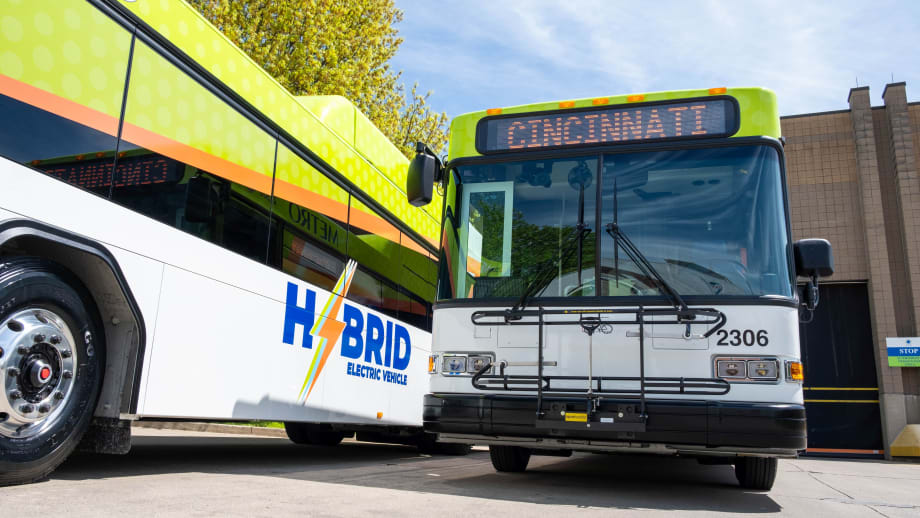
Photo: SORTA
U.S. Department of Transportation Secretary Sean P. Duffy announced the release of approximately $1.5 billion in competitive grant funding to strengthen the domestic bus manufacturing industry, expand and modernize transit infrastructure, and improve accessibility for American commuters.
According to the Department, the funding, available through the Federal Transit Administration (FTA), supports the Secretary’s broader “Get America Building Again” initiative.
“This funding will allow transit systems to invest in the vehicles and facilities needed to serve the needs of American families, frontline workers, students, and others who rely on safe, reliable transportation,” said Secretary Duffy. “We’re streamlining the grant process so manufacturers can focus on delivering modern, efficient transit solutions.”
Shift in Federal Grant Criteria
This year’s Notice of Funding Opportunity (NOFO) brings notable changes to the grant qualification process.
In line with the Department’s current priorities, the NOFO removes federal requirements related to climate change, sustainability, environmental justice, diversity, equity, and inclusion.
Instead, the revised NOFO focuses on improving tangible outcomes for riders, such as faster bus delivery timelines, increased fleet standardization, and expanded access to essential services for families and communities.
Transit agencies applying for funds are now asked to clearly articulate how their projects will improve accessibility, particularly for households with young children, and how they will support job creation and economic development in their service areas.
About the Programs
The $1.5 billion in funding is split between two FTA programs:
Grants for Buses and Bus Facilities Program: With approximately $400 million authorized for FY 2025, this program helps transit agencies purchase, upgrade, and maintain buses and build or renovate transit depots, garages, and related infrastructure.
Low or No Emission (Low-No) Program: With $1.1 billion authorized, the Low-No Program supports the procurement of American-made, low- or zero-emission buses and the equipment and facilities needed to maintain them.
Although the programs are administered separately, the funding opportunities are announced jointly, and each comes with its own eligibility criteria and project scopes, the FTA said.
A Push for Standardization and Speed
In an effort to streamline production and reduce procurement delays, the FTA is encouraging applicants to consider minimizing bus customization. By adopting more standardized vehicle designs, the agency hopes to support American manufacturers in reducing delivery timelines and bringing new buses to market more efficiently.
"Standardization can help stabilize production costs, reduce complexity, and get buses into service faster," the FTA noted in its announcement.
More Bus

New York MTA Plans Largest Bus Fleet Upgrade in More Than a Decade
The agency is seeking manufacturers for 650 new CNG buses to replace aging vehicles, improve reliability, and advance its broader fleet modernization strategy.
Read More →
Building a Flexible Path to Transit Electrification
John Hroncich discusses BAE Systems’ modular and scalable approach, lessons learned from decades of real-world operations, and how agencies can identify electrification strategies that fit their fleets.
Read More →
Bus Tech Talk: Keeping Transit Technicians Ahead of the Technology Curve
LA Metro’s Obed Mejia discusses technician training, evolving maintenance technology, fleet replacement, and strategies for getting the most out of today’s transit fleets.
Read More →
Biz Briefs: RIPTA Unveils New Frontrunners, Clevland RTA Adds New Siemens, and More
In METRO's latest installment, we take a look at recent news from Siemens, Prevost, Dodge, and more partnerships making headlines across the transportation sector.
Read More →
People Movement: Holly Arnold Joins Transdev and More
In this edition, we also cover recent appointments and announcements at Pace, CamTran, MCI, and more, showcasing the individuals helping to shape the future of transportation.
Read More →
The High Cost of Transit Buses: Industry Leaders Look to Procurement Reform
Transit leaders and policymakers examine how standardized bus designs, streamlined procurement, and predictable funding could help agencies stretch budgets and deliver better service.
Read More →
The Business Voice Behind Public Transportation
As chair of APTA’s Business Members Board of Governors, Ray Melleady explains how more than 850 business members are partnering with transit agencies to advance funding, innovation, and industry-wide collaboration.
Read More →
From Surviving to Thriving: Building Stronger Transportation Organizations
Bus Business Consultants founder Brian Dickson shares lessons on leadership, organizational health, and creating options for long-term success in a changing transportation industry.
Read More →
Finding the ‘Happy Medium’: Optimizing Maintenance Without Sacrificing Reliability
The key to maintenance optimization isn’t doing less work—it’s doing the right work at the right time on the right assets.
Read More →
LA Metro, City of West Hollywood, and Partners Advance Smarter Bus Lane Enforcement
The award-winning partnership combines AI-powered detection with human oversight to improve bus reliability, accessibility, and enforcement efficiency.
Read More →