
Metro Magazine

 MENU
 SEARCHMENUSEARCH
Loading data...

MARTA budgets for 1,366 full-time bus operators and currently has 1,179 on staff, representing a 14% deficit.
Read More →



The $1.38 billion budget includes efficiency reforms and 1,000 new customer-facing jobs. This is the third consecutive budget that preserves capital investment in the transit system without diverting capital funds to balance the operating budget, a past practice that stunted critical infrastructure projects.
Read More →The bulk of the Ohio Department of Transportation funds, about $4 million, will be used to preserve existing transit routes and transit jobs in 2011. The remaining approximately $1 million, will fund strategic improvements and enhancements.
Read More →The four Pendolino trains, ordered by Karelian Trains, with a commercial speed of up to 137 mph, now link the two cities in three and a half hours, compared to the previous five-and-a-half hours.
Read More →Since May 2013, Metro-North workers have replaced 97,961 ties, laid 16.5 miles of continuous welded rails, rebuilt 88 switches, renewed and/or upgraded 32 railroad crossings, and performed 2,905 welds on joints that connect stretches of track with one another.
Read More →As well as continuing with its ongoing cleaning and safety measures, the RTC is debuting a new online dashboard feature that will provide information on how the pandemic is affecting the RTC’s transit service.
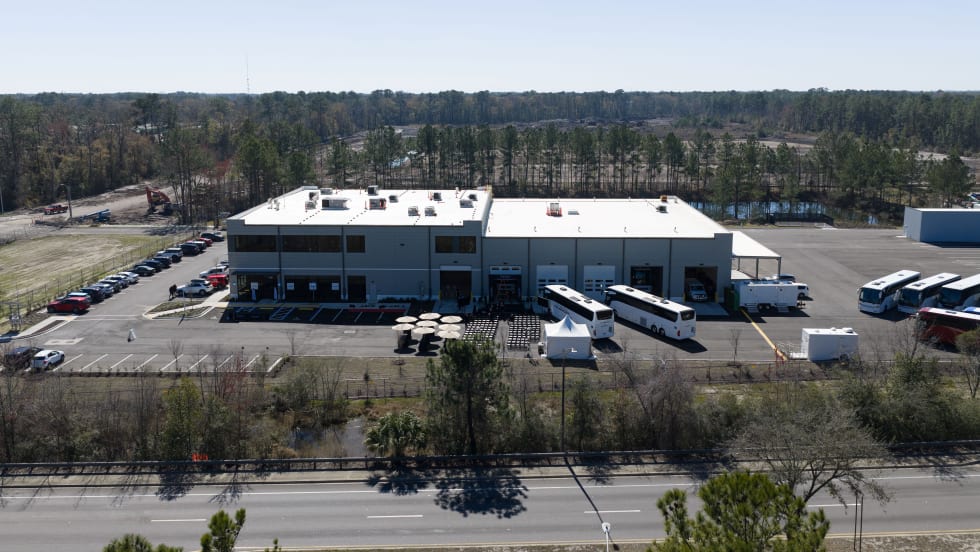
Read More →The new facility, spanning more than 43,000 square feet, includes pre-delivery inspection, a large repair, maintenance, and service center, an administrative building, and a dedicated training and delivery center for customers and service partners.
Read More →The Charter promises that GO Transit will be on time, take safety seriously, keep customers informed, provide a comfortable experience and be quick and courteous. It was developed following extensive consultation with customers, employees and focus groups.
Read More →In this edition, we also cover recent appointments and announcements at Pace, CamTran, MCI, and more, showcasing the individuals helping to shape the future of transportation.
Read More →After nine months of negotiations, the agency and unions representing more than 800 of its employees failed to reach agreements. Agency’s loss in revenue from local property taxes, farebox proceeds, and state and federal funding also prompted the cuts.
Read More →