



Alstom’s high-speed trains enter service on Helsinki-St. Petersburg line
The four Pendolino trains, ordered by Karelian Trains, with a commercial speed of up to 137 mph, now link the two cities in three and a half hours, compared to the previous five-and-a-half hours.

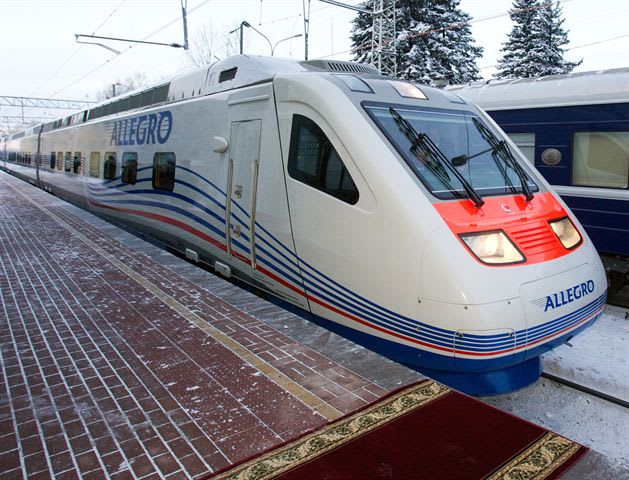
[IMAGE]Alstom-Helsinki-Saint-Petersburg-2.jpg[/IMAGE] On Sunday, Alstom Transport’s high-speed Pendolino trains began service on the line linking Helsinki, Finland and St. Petersburg, Russia. With a commercial speed of up to 137 mph, the four trains ordered by Karelian Trains in 2007 now link the two cities in three and a half hours, compared to the previous five-and-a-half hours. More than 300,000 passengers are expected to use this 280-mile line every year.
To meet the customer’s requirements and the extreme winter weather conditions in both countries, the bogies are equipped with devices designed to reduce the accumulation of snow and ice. The manufacturer also installed heating and air conditioning systems.
The Helsinki-St. Petersburg Pendolino is a high-speed, non-articulated multiple unit train with distributed traction. The trains are equipped with a cutting-edge technological solution, an active system that tilts the train on bends. The maximum tilt of eight degrees enables speeds on bends of 20 percent to 30 percent higher than those of classic trains while providing maximum passenger comfort and safety. They do not require any modifications to the existing tracks.
The trains were produced at Alstom’s Savigliano site in Italy. The traction systems were manufactured in Sesto San Giovanni, Italy, and the bogies were made in Le Creusot, France.
More Rail
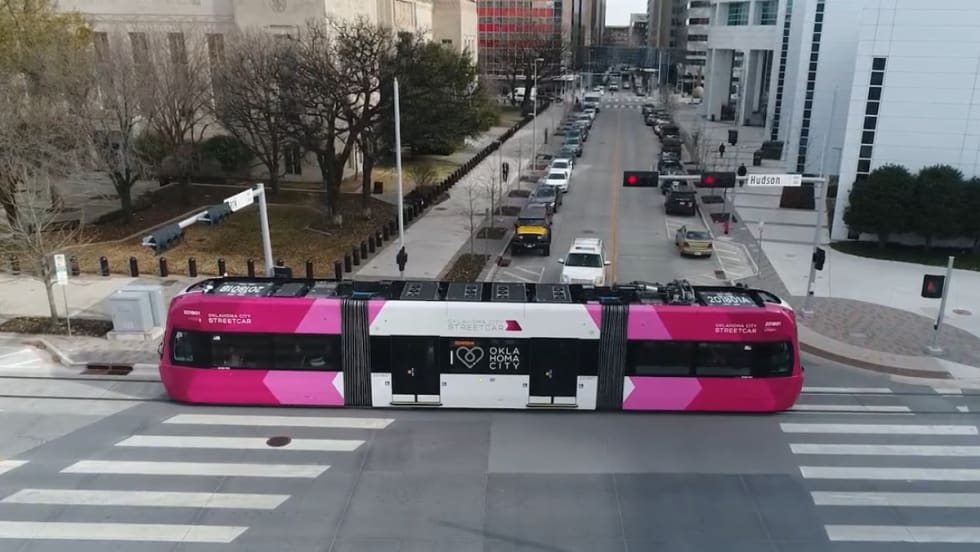
OKC Streetcar Makes Zero-Fare Service Permanent
Ridership increased an average of 71% compared with the same period a year earlier during the fare-free pilot.
Read More →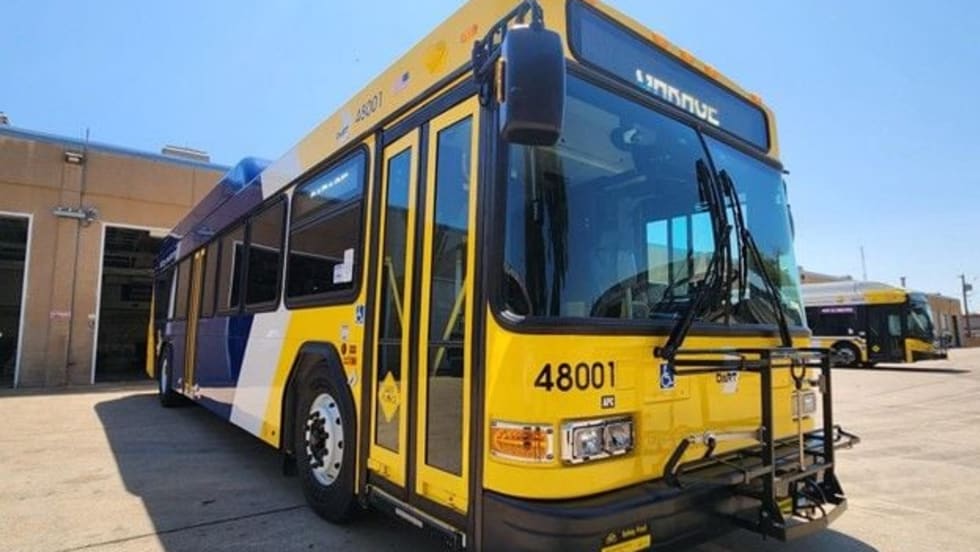
DART Customer Satisfaction Reaches Six-Year High
Overall satisfaction rose to 74.9%, while the agency’s Net Promoter Score reached a record 33.7.
Read More →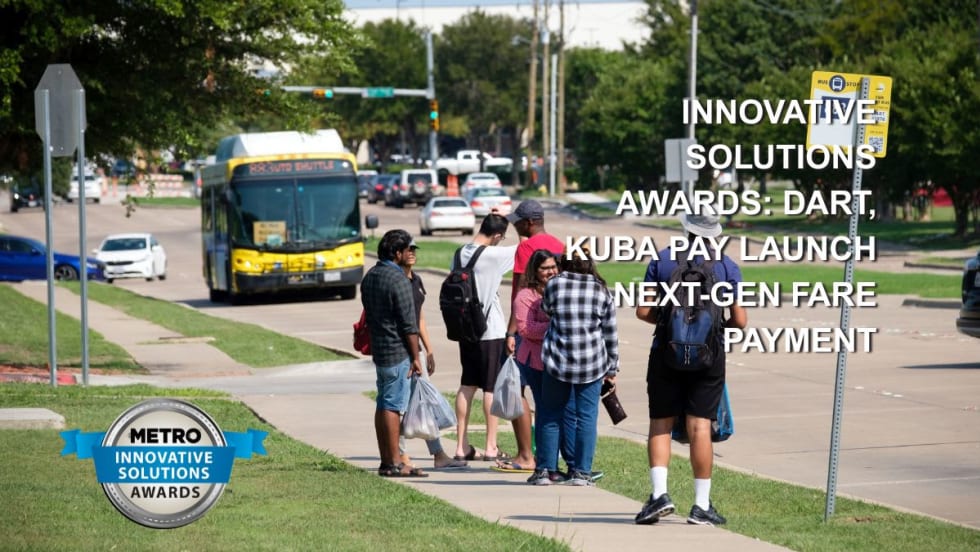
How DART's GoPass Is Redefining Regional Mobility
Serving 14 transit agencies, GoPass simplifies multimodal travel by allowing riders to plan, pay for, and manage an entire trip through one app.
Read More →
Amtrak Board Advances Plan to Restructure Organization, Seeks Public Input
The proposal, developed by Amtrak management and approved by the board for further consideration, is intended to modernize the organization's structure while improving accountability, operational efficiency, and customer service.
Read More →
Biz Briefs: STV teams with Amtrak, Motorcoach Operators Boost Fleet and Land Contracts, and More
From manufacturers and suppliers to transit agencies and motorcoach operators, these updates offer a snapshot of the projects, partnerships and business moves driving the industry forward.
Read More →
Metra Celebrates 100 Years of Electric Rail, Looks to the Future
The event was also a celebration of recent reforms to public transportation in the Chicago area, changes that could be as transformative in the future as the major civic achievement a century ago, said officials.
Read More →
LA Metro Marks Banner Year, Sets Ambitious Goals for New Fiscal Year
Incoming LA Metro Board Chair and Los Angeles Mayor Karen Bass joined outgoing Board Chair Fernando Dutra and LA Metro CEO Stephanie Wiggins to review accomplishments from fiscal year 2026, which included the opening of new rail extensions, advancement of major transit projects, expanded safety programs, and new rider amenities.
Read More →
DART Taps Nathaniel P. Ford Sr. as Next President/CEO
Since 2012, Ford has served as the CEO of the Jacksonville Transportation Authority
Read More →
California High-Speed Rail Authority Signs MOU to Advance High Desert Corridor
The agreement deepens collaboration between the California High-Speed Rail Authority and the High Desert Corridor Joint Powers Agency, supporting design integration, cost savings, and faster delivery of a key Southern California rail link.
Read More →
Building the Next Generation of Transit Technology
In this edition of METROspectives, Luminator CEO Magnus Friberg discusses the company's transformation, the growing role of AI and software, and what's next for transit technology.
Read More →