
Metro Magazine

 MENU
MENU SEARCHMENUSEARCH
Loading data...

While 30,000 reportedly used mass transportation to get to the game, several fans reportedly collapsed while waiting in long lines for trains. Charter buses were dispatched to help stem the flow.
Read More →
For the first time in the game’s history, there will be no drop-off zone for taxis or limousines, according to the report. With parking at a premium and strict limitations placed on passenger drop-offs, it is estimated that approximately 70% of game attendees will need to arrive by mass transportation.
Read More →Save the Dinky Inc. said the ruling was important for the group because it affirms that the cutback of rail service to Princeton to benefit Princeton University was in fact a decision by New Jersey Transit.
Read More →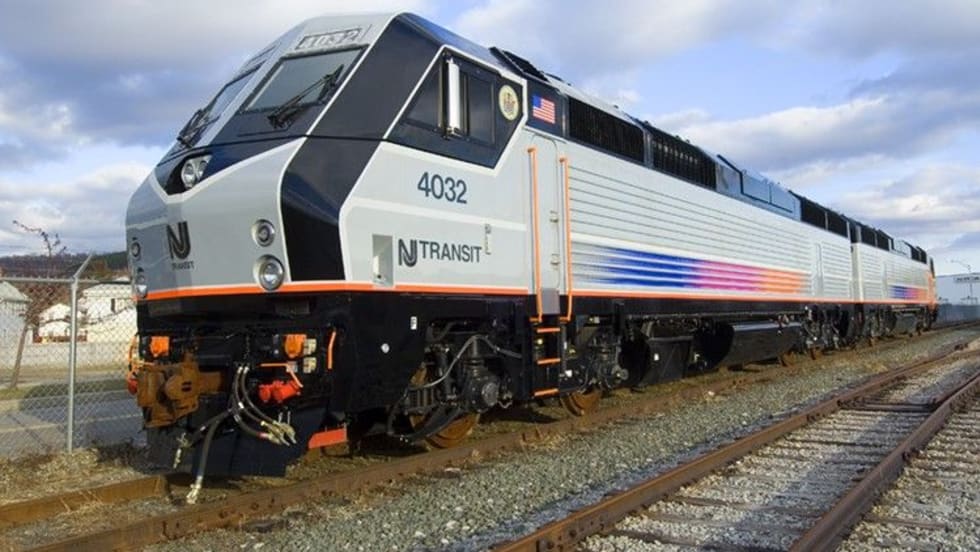
Jacobs Engineering Group will complete design and engineering work to transform a local rail yard into a permanent location to store railcars during a storm. The move comes after superstorm Sandy damaged nearly 400 of the agency’s railcars and locomotives when they were left in flood-prone rail yards last year.
Read More →Said university was within its rights to move the Dinky station approximately 500 feet south because it had received the necessary approvals from NJ Transit.
Read More →Recommended portable or permanent flood barriers at facilities, which suffered severe flooding during the storm, resulting in more than $100 million in damage.
Read More →Will provide the millions of customers who use the bus terminal with directions to their gates and other amenities within the terminal, as well as searchable, real time bus schedule information.
Read More →Expands the MyTix system to its final two rail lines. Riders can now use MyTix for travel to and from all 165 NJ Transit rail stations.
Read More →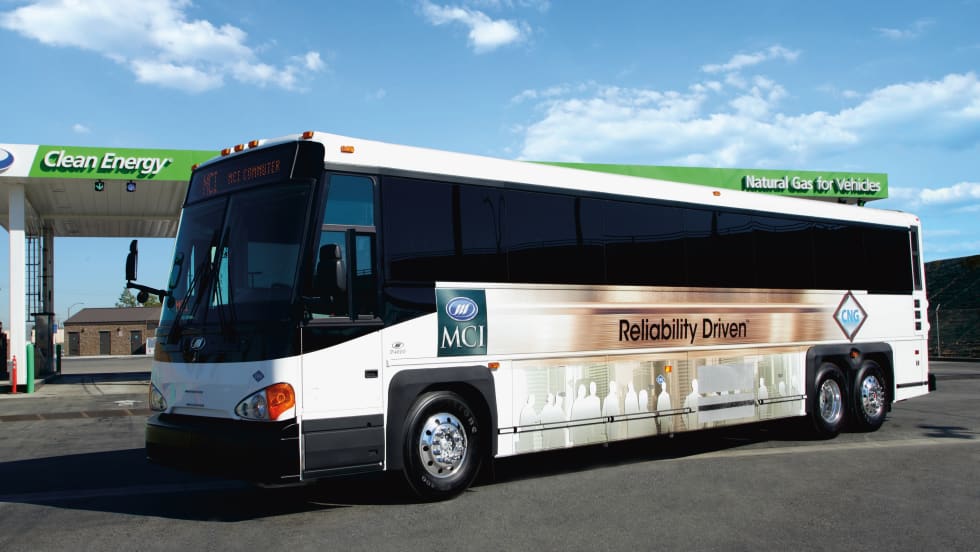
Meanwhile, the company announced its Service Centers will deploy three mobile maintenance units in the New York and New Jersey area, Orlando, Fla. and Los Angeles.
Read More →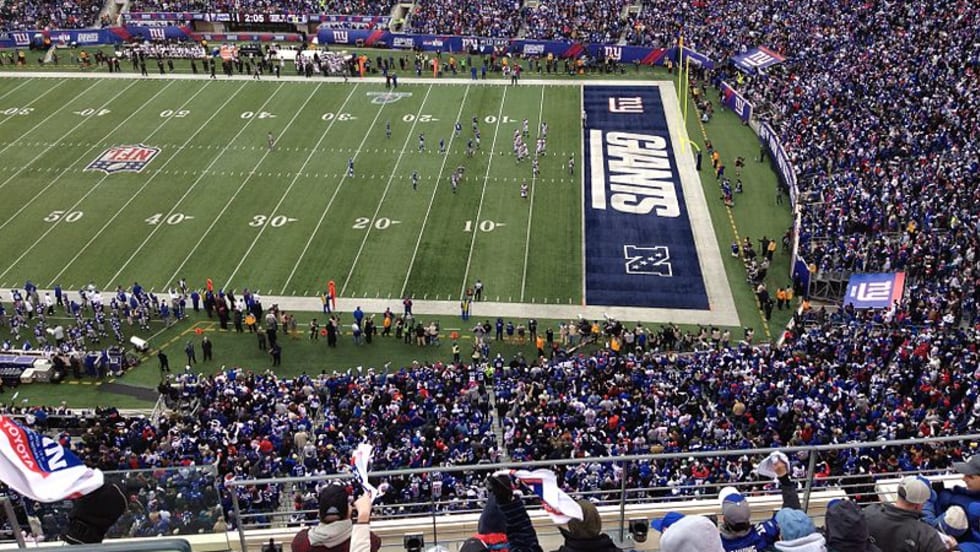
Approximately 70% of game attendees will need to arrive by mass transportation – via bus, train, and high occupancy vehicles.
Read More →