



FTA Opens $610M for Transit Fleet Modernization
Propane autogas gives transit agencies a reliable, funding-eligible option for fleet upgrades.
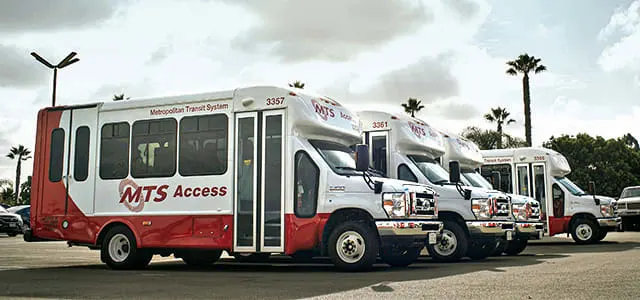
Propane Education & Research Council
- The Federal Transit Administration has announced $610 million in funding for transit fleet modernization.
- This funding provides transit agencies with the opportunity to upgrade their fleets using propane autogas.
- Propane autogas is recognized as a reliable and funding-eligible option for these modernization efforts.
*Summarized by AI
A new round of federal funding is now available for transit and paratransit agencies: $610 million through the Federal Transit Administration's (FTA) FY 2026 Buses and Bus Facilities Competitive Program and Low or No Emission Grant Program. For fleet leaders balancing budgets, service expectations, and sustainability goals, the funding provides a timely opportunity to invest in low-emission vehicles with an established track record.
When preparing grant applications, the question for transit agencies isn't simply which technologies are eligible for funding — it's which ones can be deployed efficiently, operate reliably, and deliver long-term value for both riders and taxpayers.
A Reliable, Ready-Now Option
Propane autogas is already integrated into transit operations across the country. More than 60,000 propane autogas vehicles are on the road nationwide — including thousands in transit and paratransit fleets. That adoption, combined with funding eligibility already secured, makes propane autogas an option worth evaluating as agencies build their FY 2026 grant applications.
Faster, More Affordable Infrastructure
Unlike some alternative fuel technologies that require extensive utility interconnection or multiyear infrastructure projects, propane autogas infrastructure can be deployed quickly and affordably. That speed matters when grant timelines are fixed and fleet replacement schedules are tight. Rather than waiting on major infrastructure upgrades, agencies can move more quickly from funding award to fleet deployment.
Once deployed, propane autogas is supported by established fueling networks already serving fixed-route and demand-response transit operations nationwide.
Less Time in the Shop, More Time on the Road
Simplified engine systems eliminate the need for diesel aftertreatment equipment and diesel exhaust fluid (DEF), reducing maintenance complexity while improving fleet availability and lowering fuel and maintenance expenses over the life of the vehicle. Lower operating costs and greater uptime help agencies maximize every grant dollar, freeing up resources that can be reinvested into service, equipment, or future fleet improvements.
Balancing Mandates and the Budget
“For transit leaders, the decision to modernize is a balance between meeting sustainability mandates and maintaining fiscal responsibility,” says Joel Stutheit, senior manager of autogas business development at the Propane Education & Research Council (PERC). “Agencies can leverage this federal funding to adopt a technology that is proven to reduce emissions and maximize long-term operational savings.”
Stutheit adds: “With the application window for the fiscal year 2026 grants closing soon, I encourage agencies to evaluate how propane autogas can support their fleet modernization efforts immediately.”
For more information about the FY 2026 Buses and Bus Facilities Competitive Program, the Low or No Emission Grant Program, and available propane autogas resources, visit propane.com/low-no.
This article reflects the views of Propane Education & Research Council and does not necessarily represent the views of METRO or Bobit Business Media.
Quick Answers
The $610M funding opened by the Federal Transit Administration (FTA) is aimed at supporting transit agencies in modernizing their fleet operations.
*Summarized by AI
More Management
CATS Launches West Charlotte Microtransit Zone, Expands Transit Services
The new microtransit zone connects residents to key destinations as Charlotte Area Transit System rolls out the first phase of its 2055 Transit System Plan.
Read More →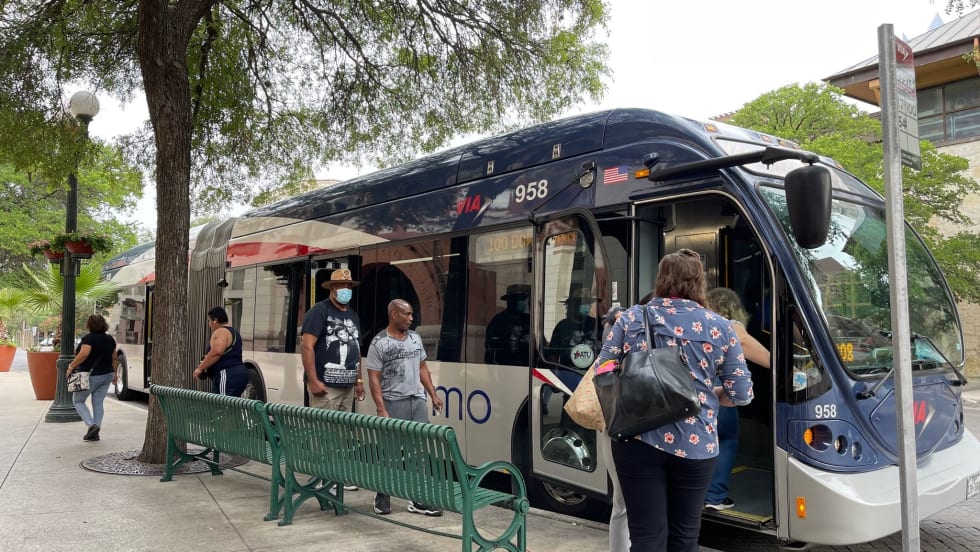
VIA Bus Ridership Grows 10.1% Through August 2026
San Antonio's VIA Metropolitan Transit reported the highest bus ridership growth among major Texas transit systems. Federal Transit Administration data ranked it second among the nation's 50 largest transit systems.
Read More →
CSA Group Releases Climate Resilience Standard for Transit, Passenger Rail
Developed with support from the Standards Council of Canada, CSA D700 guides assessing climate-related risks and planning adaptation measures for transit and passenger rail systems.
Read More →
ETA CEO John Maglio on Transit Technology, Innovation, and Building Agency Trust
ETA founder and CEO John Maglio explores the evolution of transit technology, the importance of reliable systems, and how stronger partnerships can help agencies improve operations and the passenger experience.
Read More →
COTA Launches First Customer Experience Action Plan to Improve Transit Service
The new plan outlines improvements to service reliability, accessibility, communication, and the overall rider experience across Central Ohio's transit system.
Read More →
LA Metro September Ridership Climbs 3.9%, Led by Rail Growth
The agency recorded more than 27.2 million boardings, with rail ridership increasing 12.4% year over year and the D Line posting the largest gains.
Read More →
Utilimarc Launches SmartReplace to Optimize Fleet Replacement Decisions
AI-powered SmartReplace helps fleets prioritize vehicle replacements, model budget scenarios, and build more defensible long-term strategies.
Read More →
APTA Honors 2026 Award Winners, Hall of Fame Inductees at TRANSform & EXPO
Innovations in autonomous and zero-emission transportation, standout transit systems, and industry leadership took center stage among this year's honorees.
Read More →
7 Ways to Build a Better Transit Internship Program
Lessons from DRPA/PATCO’s approach to creating a meaningful internship experience—and developing the next generation of transportation professionals.
Read More →
Scenes from APTA TRANSform & EXPO 2026
Transit leaders, manufacturers, and industry professionals gathered in Chicago to explore new technologies, share ideas, and discuss the future of public transportation.
Read More →