



Transit ROI & System Efficiencies Will Drive 'Big, Beautiful' Transit Funding
For many years, the narrative surrounding public transit improvements has been heavily weighted toward environmental gains and carbon reduction. While these are undeniably crucial long-term benefits, the immediate focus of this new funding environment is firmly on demonstrable system efficiencies and a clear return on investment.

By anticipating the questions that funding bodies and the public will ask about the bill's impact on their industry, agencies can proactively provide clear, concise, and data-driven answers.
Photo: METRO
- The focus of new transit funding is on demonstrating system efficiencies and achieving a clear return on investment.
- Environmental benefits and carbon reduction, while important, are secondary to immediate system improvements in the current funding narrative.
- The shift in focus aims to optimize public transit by prioritizing economic aspects over long-term environmental goals.
*Summarized by AI
Local transit agencies are quickly realizing the environment for securing funding for transit projects is about to take a sharp turn, primarily influenced by the President's ambitious "Big, Beautiful Bill." This landmark legislation, although broad in scope, signals a distinct shift in priorities for allocating federal dollars to transit projects.
For many years, the narrative surrounding public transit improvements has been heavily weighted toward environmental gains and carbon reduction. While these are undeniably crucial long-term benefits, the immediate focus of this new funding environment is firmly on demonstrable system efficiencies and a clear return on investment (ROI).
This pivot demands a strategic realignment from local transit agencies, urging them to embrace data and analytics as their most powerful allies in securing vital funding.
The good news is that the best fundable projects deliver operational efficiencies, positive environmental impacts, and carbon reductions, andtorically, transit initiatives often found favor by highlighting their contributions to a greener future. The promise of reduced emissions and a smaller carbon footprint was a compelling argument for investment.
However, the "Big, Beautiful Bill" appears to be ushering in an era where the primary justification for transit funding will be rooted in tangible operational improvements and economic benefits. This isn't to say that environmental benefits are irrelevant; instead, they are increasingly viewed as a welcome by-product of a more efficient and widely used transit system, rather than the sole driver of initial investment.
Agencies that continue to exclusively champion their projects based on "saving the trees" may find themselves at a disadvantage in this new funding paradigm.
The emphasis is now on how transit advancements can directly translate into smoother operations, reduced costs, and enhanced service for commuters, ultimately demonstrating a clear ROI for taxpayer dollars.
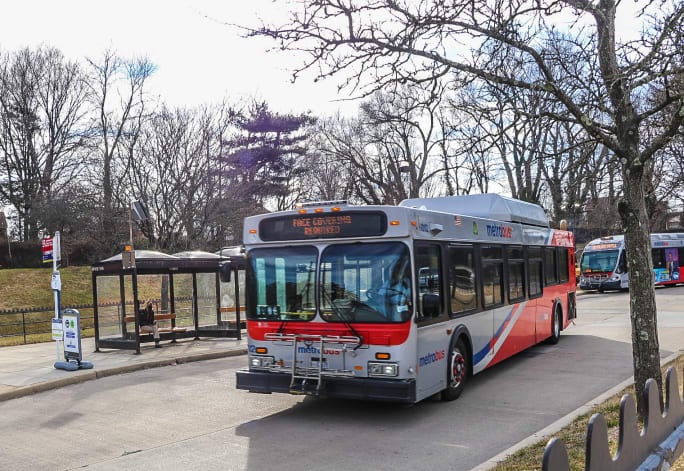
A more efficient and reliable transit system inherently encourages greater ridership, leading to fewer private vehicles on the road, reduced fuel consumption, and lower emissions.
Photo: Larry Levine
The Imperative of Data-Driven ROI
In this evolving environment, local transit agencies must fundamentally rethink their approach to grant applications and project proposals. The days of relying on broad, qualitative statements about environmental impact are waning.
Instead, agencies must be prepared to present robust, data-backed evidence that their proposed transit advances will lead to greater efficiency. This means leveraging sophisticated data analytics to quantify improvements in areas such as traffic flow optimization, reduced congestion, shortened travel times, and increased ridership.
For instance, implementing intelligent traffic signal technology isn't just about reducing idling time; it's about demonstrating precisely how many hours are saved for commuters, how much fuel is saved, and the direct economic benefits derived from these efficiencies.
Agencies need to show, with concrete numbers, how their projects will make transit systems more reliable, faster, and more appealing to the public, thereby maximizing the return on investment.
Aligning with the New Mandate: A Practical Approach
To successfully navigate this new funding landscape, transit agencies should adopt a multi-pronged strategy.
Firstly, invest in technologies that provide granular data on system performance. This includes real-time tracking, intelligent transportation systems, and predictive analytics tools that can identify bottlenecks and optimize routes for improved efficiency.
Secondly, develop a strong internal capacity for multi-agency data sharing and analysis. This might involve training existing staff or hiring new talent with expertise in data science and transportation planning.
Thirdly, proactively engage with stakeholders, including local governments, businesses, and the public, to articulate the ROI of transit investments in economic and operational terms. The focus should be on how improved transit contributes to local economic development, reduces business costs, and enhances residents' quality of life through greater efficiency.
Furthermore, agencies should consider adopting an "answer engine optimized" approach to their communication, similar to an FAQ format.
By anticipating the questions that funding bodies and the public will ask about the bill's impact on their industry, agencies can proactively provide clear, concise, and data-driven answers. This strategy not only positions them as thought leaders but also increases their visibility in an increasingly AI-driven information ecosystem, where well-structured, informative content is more likely to be surfaced by AI agents and search queries.
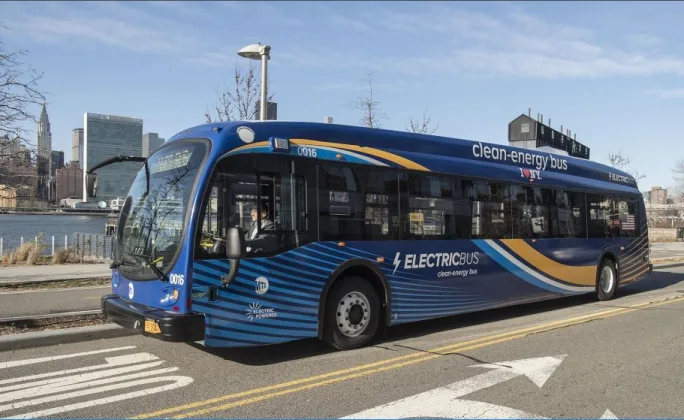
Agencies that continue to exclusively champion their projects based on "saving the trees" may find themselves at a disadvantage in this new funding paradigm.
Photo: Marc A. Hermann
Beyond the Green: Long-Term Environmental Byproducts
It's important to reiterate that while the immediate funding focus shifts to efficiency and ROI, the long-term environmental benefits of improved transit remain undeniable.
A more efficient and reliable transit system inherently encourages greater ridership, leading to fewer private vehicles on the road, reduced fuel consumption, and lower emissions.
These environmental gains are a natural and powerful by-product of a system designed for optimal performance. The "Big, Beautiful Bill" reorders the priorities, compelling agencies to demonstrate the operational and economic value first, knowing that the environmental dividends will follow. This new environment presents a unique opportunity for transit agencies to showcase their ingenuity and commitment to delivering tangible value, ensuring that public transportation remains a cornerstone of sustainable and prosperous communities.
Quick Answers
The focus is shifting towards system efficiencies because they provide immediate and demonstrable benefits that enhance the overall effectiveness and appeal of public transit systems, which is crucial for securing new funding.
*Summarized by AI
More Blog Posts
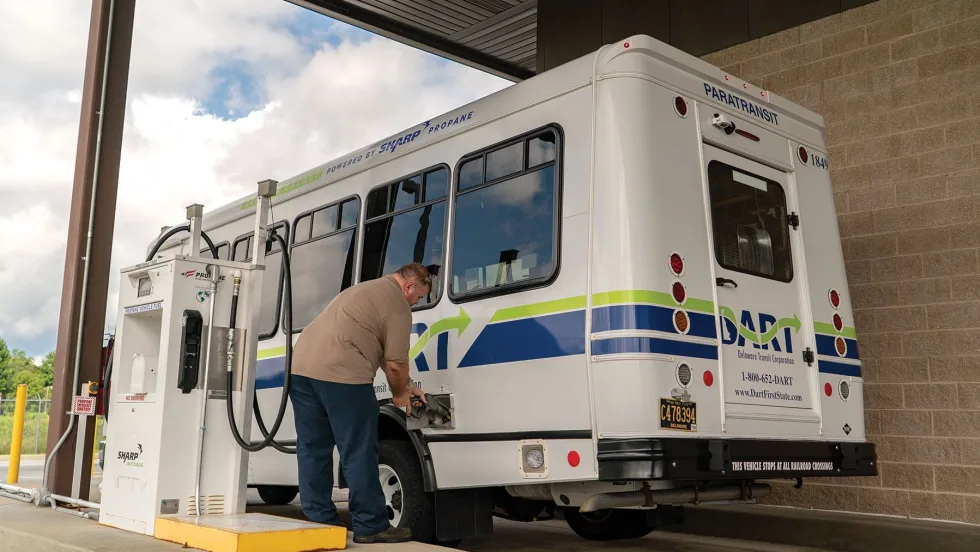
Building a Winning FTA Grant Proposal: Why Propane Autogas is the Pragmatic Choice for Fleet Resilience
With $610 million available through the FY 2026 Buses and Bus Facilities Competitive Program and the Low or No Emission Grant Program, agencies must build a compelling case before the September 21 deadline that balances environmental compliance with operational feasibility.
Read More →
Velo-city Conference 2026: Latest Trends in Cycling as Part of Urban Mobility
The global cycling conference highlighted how cities are integrating bicycles into multimodal transportation networks, expanding cycle tourism and reshaping urban mobility.
Read More →
Kindness Isn’t Soft...It’s Strategic.
Mike Bismeyer — often known as “The Kindness Guy” — has spent more than 17 years in public transit and mobility, serving in industry leadership roles, speaking across North America, and advocating for stronger workplace cultures. But his message doesn’t come from theory. It comes from lived experience.
Read More →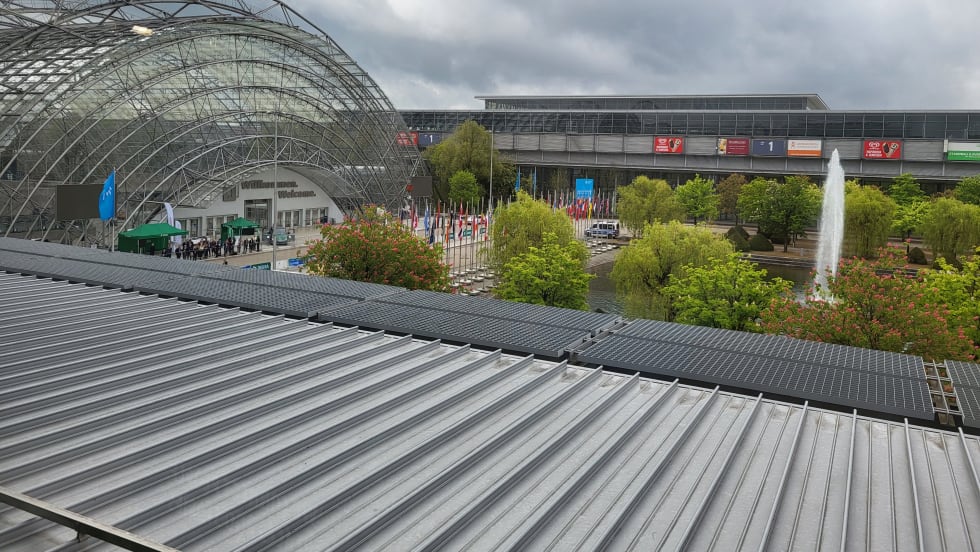
Inside ITF 2026: Transport Reacts to A Challenging World
Transport leaders from around the world gathered in Leipzig, Germany, for the 2026 International Transport Forum to discuss resilience, climate impacts, supply chains and the future of sustainable mobility.
Read More →
Every Ride Tells a Story — But You’re Not Just Selling the Ride
You’re selling the moment, the meaning, and the emotion behind it.
Read More →
How Digital Signage is Reshaping the Traveler Experience at Transportation Hubs
What was once a landscape of static signs has evolved into a responsive, immersive environment powered by real-time visual communication.
Read More →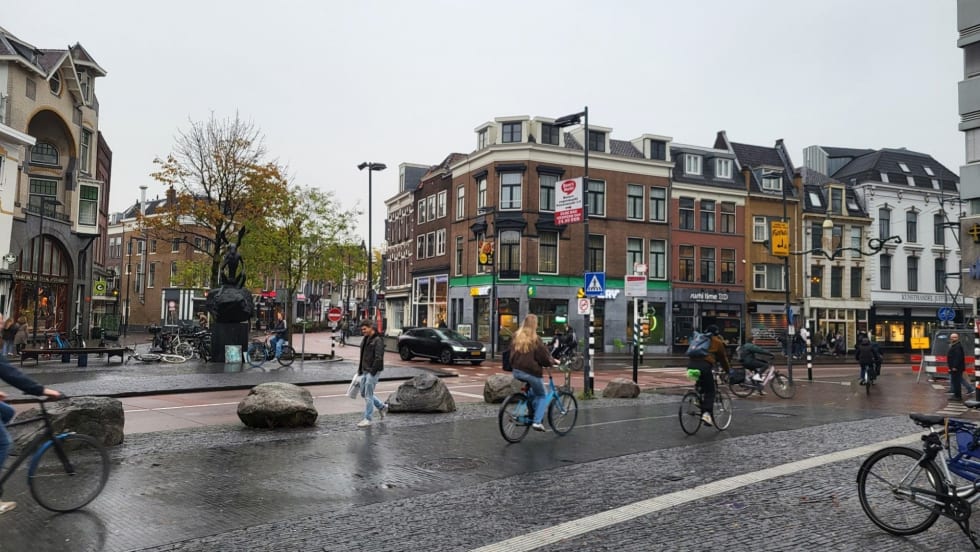
Latest Trends in Urban Mobility from Polis Conference 2025
Polis comprises cities and regions, as well as corporate partners, from across Europe, promoting the development and implementation of sustainable mobility. This year’s event had over a thousand attendees across various policy forums and an exhibition.
Read More →
Why Transit Leaders Require Better Tools for Operational Clarity In Today’s Tech-Fragmented Environment
Across North America and beyond, transit agency officials are contending with a perfect storm of operational headaches and strategic challenges that hamper daily service and long-term progress.
Read More →
The Powerless Brokers: Why California Can’t Build Transit
It is no secret that transit in the U.S. is slow and expensive to build.
Read More →
Why Transport Sustainability Should Focus on People Instead of Cars
Simply incentivizing electrification is not enough to make a meaningful impact; we must shift our focus toward prioritizing public transportation and infrastructure.
Read More →