
Metro Magazine

 MENU
MENU SEARCHMENUSEARCH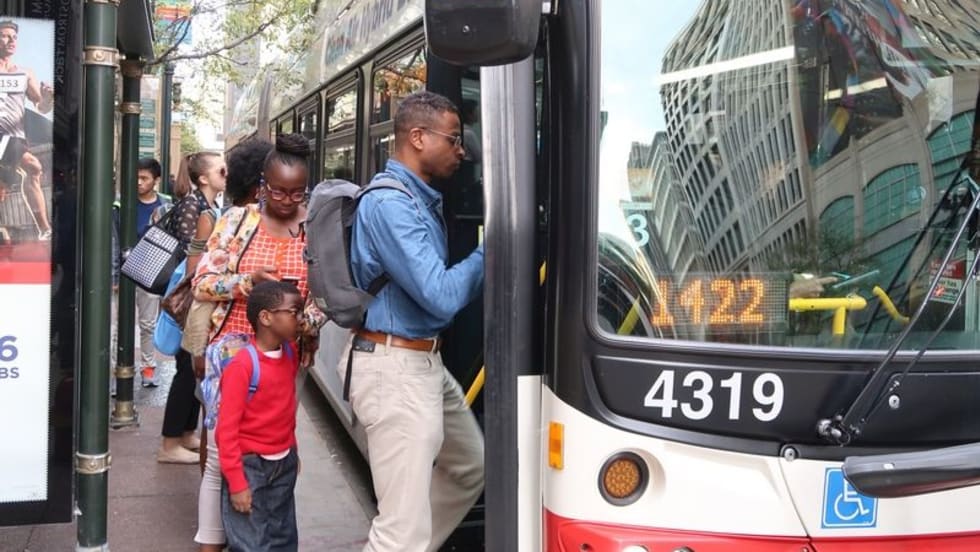
From 2015 to 2016, bus ridership in Chicago fell by more than 15 million rides (5.8 percent), continuing a recent trend of fewer Chicagoans riding the bus.
Read More →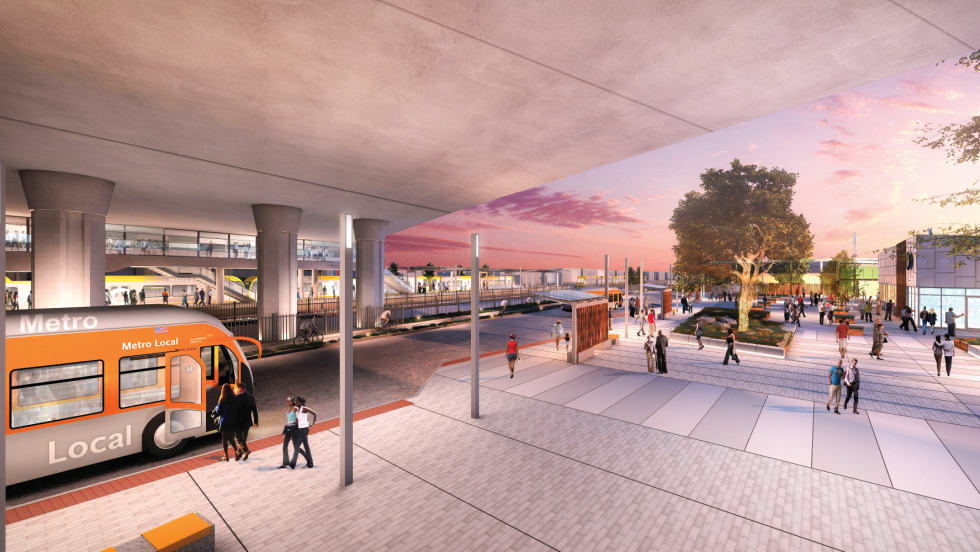
By paying attention to how it feels to arrive at, pass through, and use a transit facility, focused design strategies can complement traditional approaches by enhancing user perception of safety. While a station may be safe, according to statistics and incident reporting, ridership and patron satisfaction will still suffer if the station doesn’t feel safe.
Read More →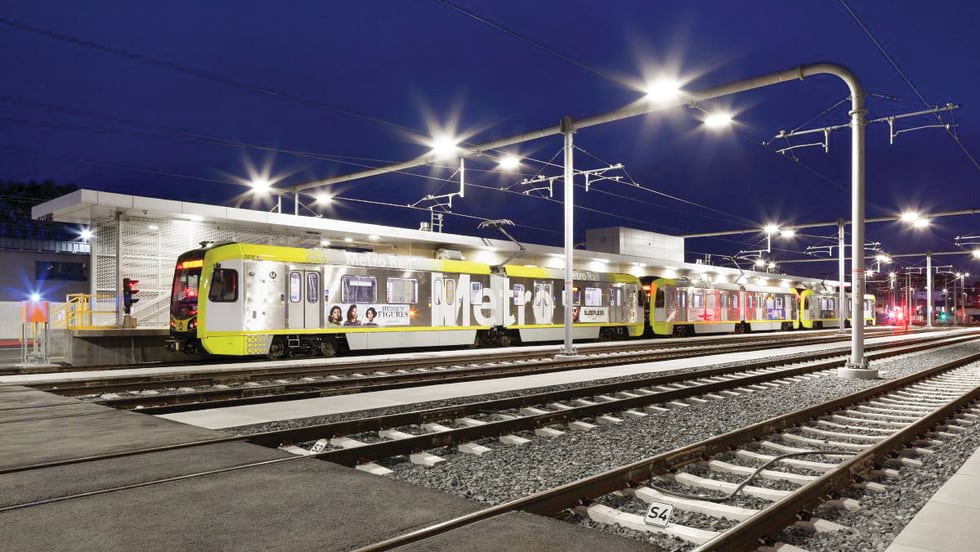
The Expo line has become a significant success story for LA Metro. In the first three months following the opening of the extension, ridership grew more than 53%.
Read More →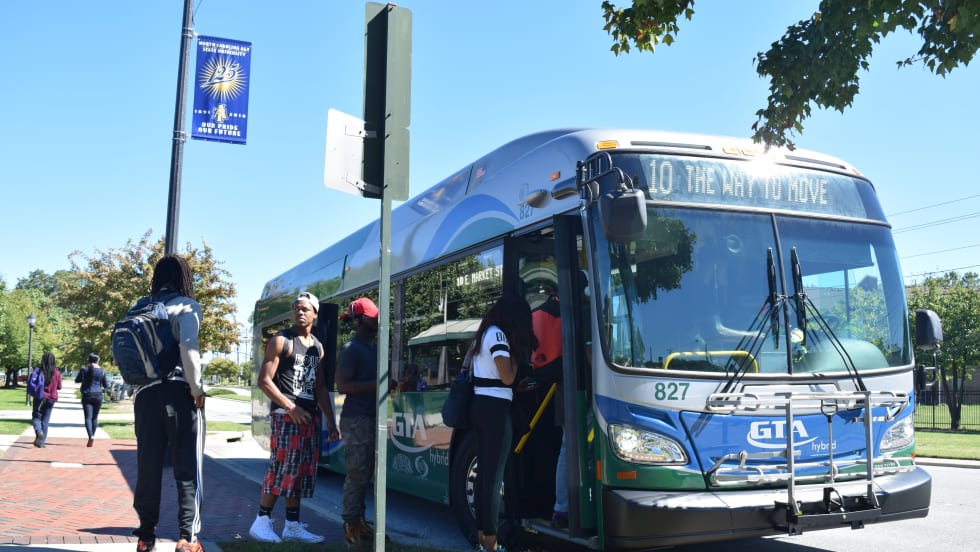
Authors of “Public Transit's Impact on Rural and Small Towns” show that public transit's affordability and the demographic makeup of these areas combine to make public transit desirable for rural and small town populations.
Read More →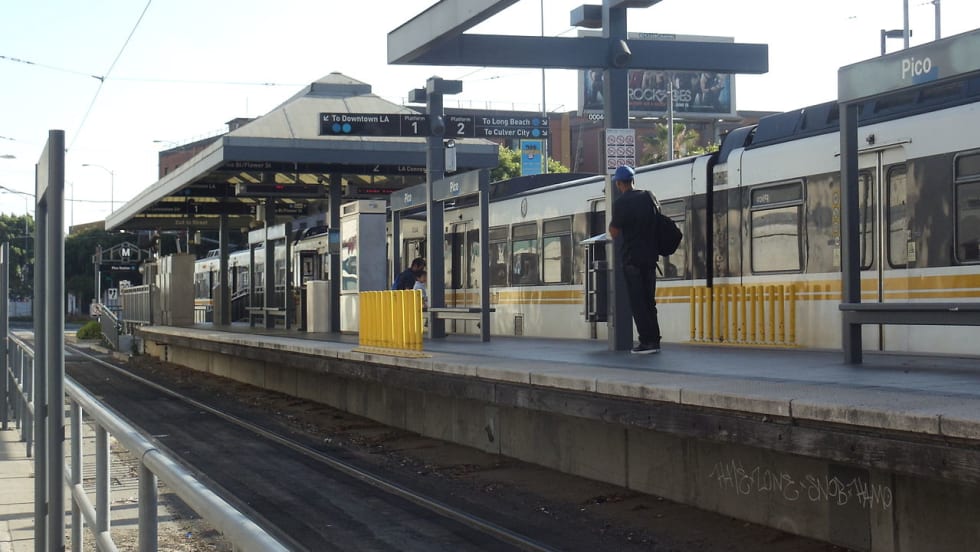
The Metro Affordable Transportation Connected Housing Program is part of a public-private partnership to loan money to developers to build more affordable housing within a half-mile of transit lines, which in turn could encourage more ridership.
Read More →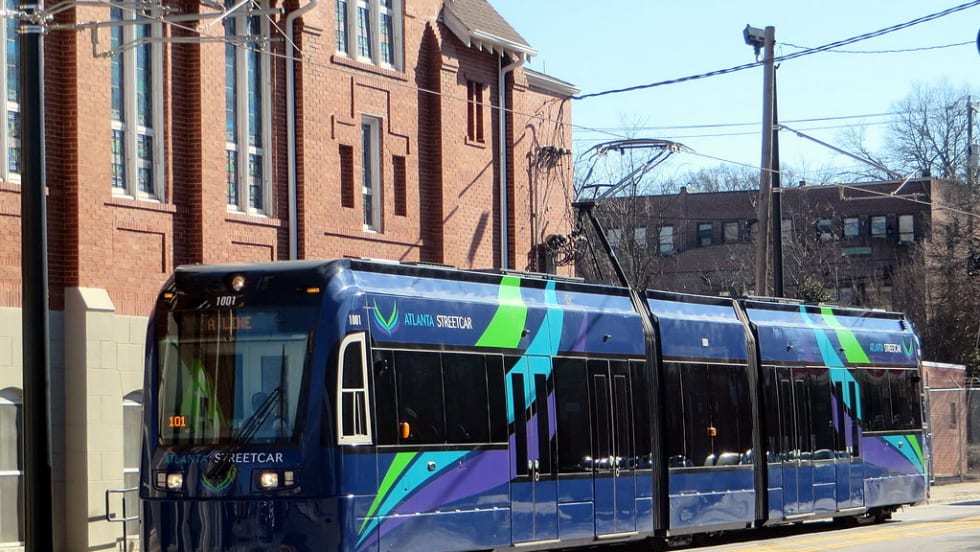
The $99 million streetcar opened in December 2014 amid sky-high expectations, but ridership failed to meet expectations in its first year and plummeted nearly 60% after the city began charging $1 to ride.
Read More →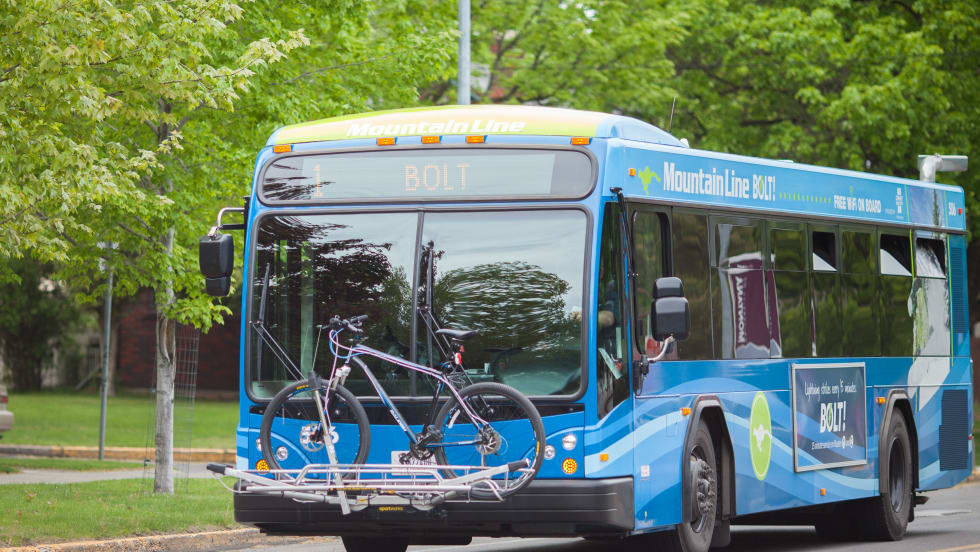
Partner agencies have agreed to continue support for the program, which has bolstered ridership.
Read More →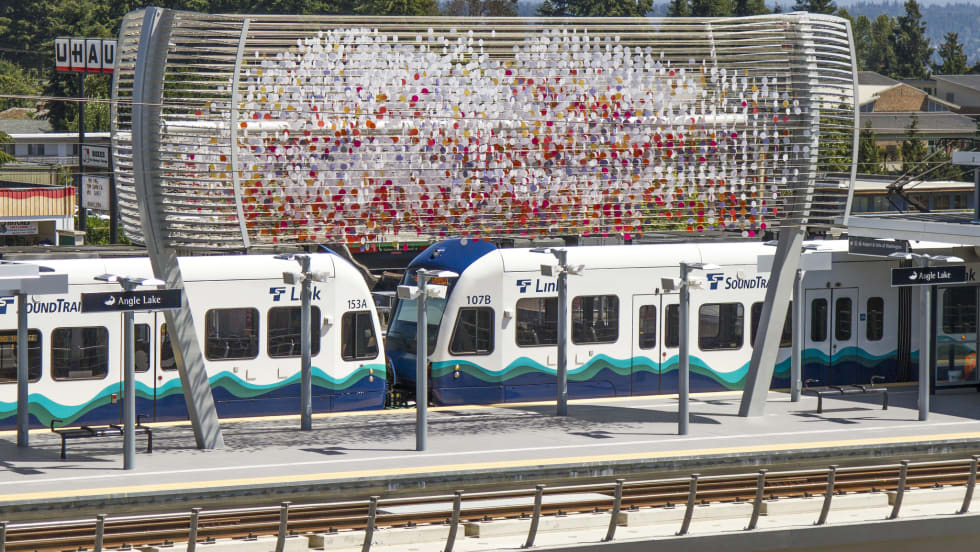
Link light rail drove the increase, growing 14.5% as more riders used the University Link stations at Capitol Hill and Husky Stadium for a top choice to get around.
Read More →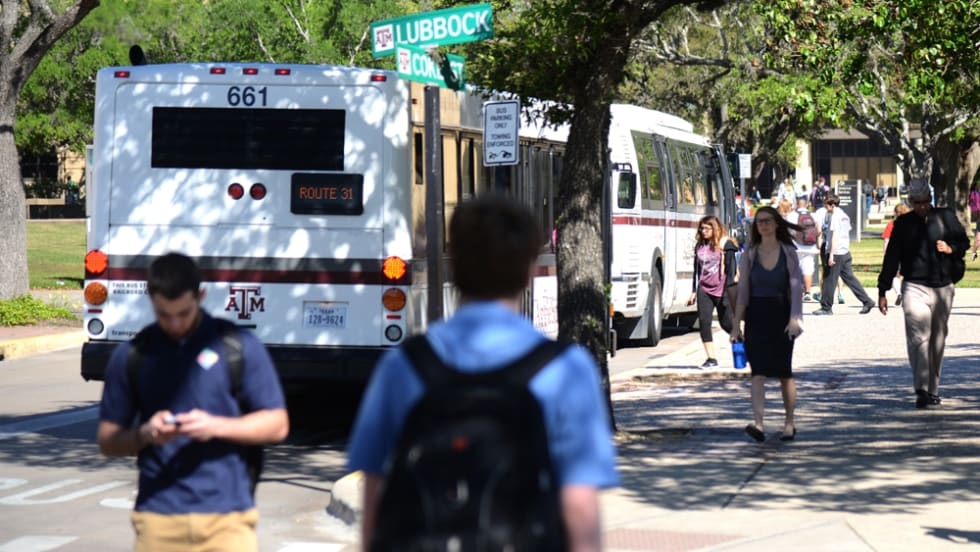
Project will attempt to optimize traffic flows for bus ridership and utilize data analytics to improve navigation at Texas A&M University.
Read More →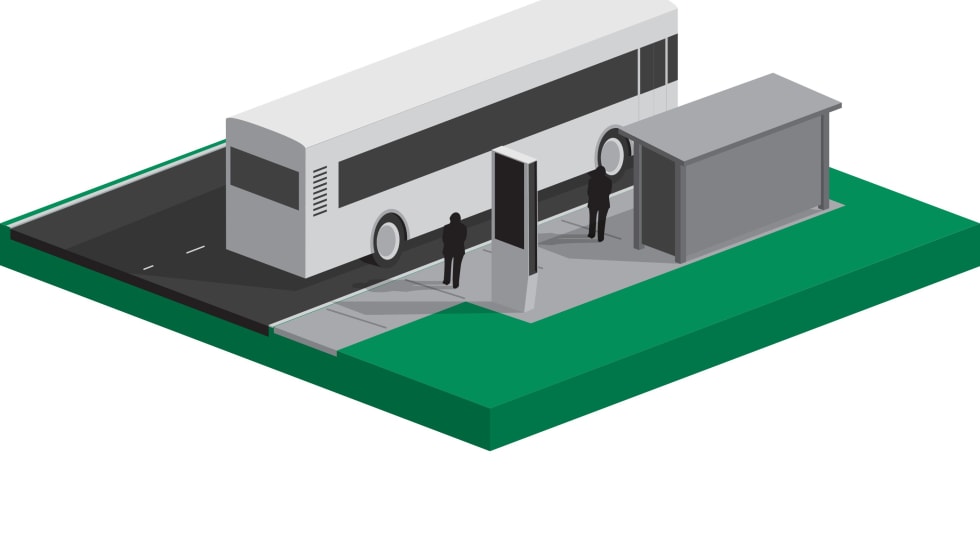
Transit systems move millions of people each day, getting us to where we need to go, influencing our moods, and shaping our collective stories. But, faced with fluctuating ridership, uncertain budgets, and the sky-high expectations of a digital savvy customer — open app, get car — how can centuries-old transit systems keep up?
Read More →