
Metro Magazine

 MENU
MENU SEARCHMENUSEARCH
Loading data...
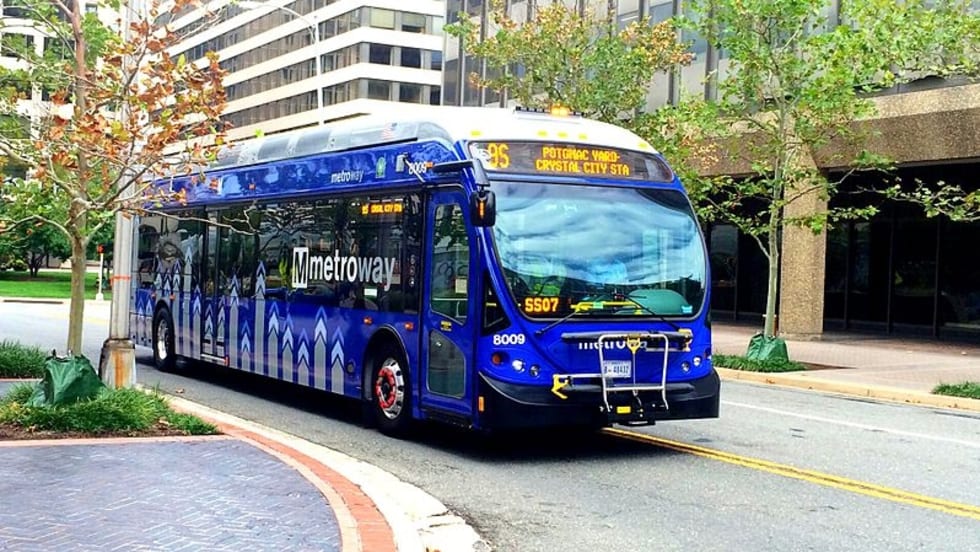
...as a transportation planner who has worked on bus rapid transit-style systems in the greater Washington region, I’ve noticed a disconnect in the public’s expectations versus the reality of the systems they’re getting. It got me wondering: do people have an accurate picture of what BRT means or the benefits the systems provide? During public-planning sessions, I’ve heard a lot of feedback on BRT. The gist is, “That’s really nice that the bus is a different color and the station platform is fancy, but I just want it to be on time.”
Read More →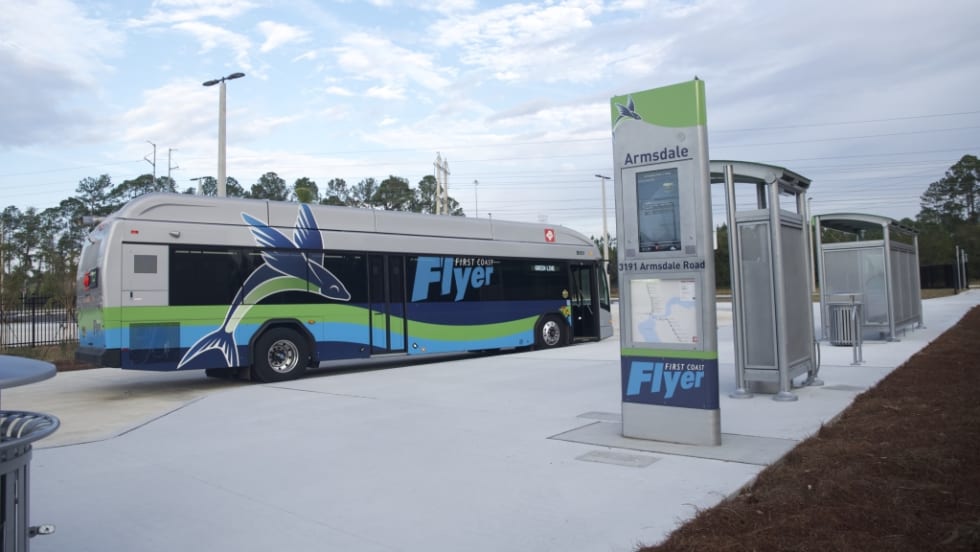

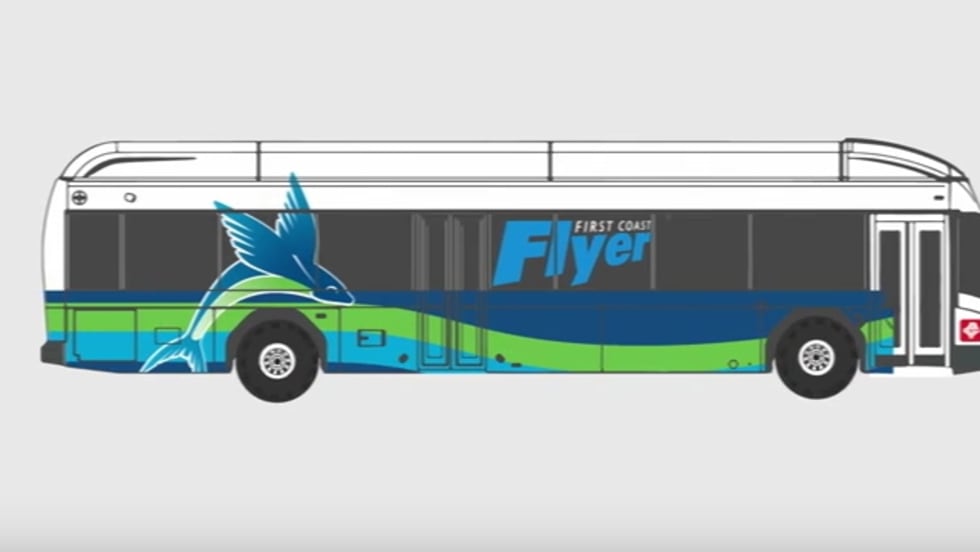


The 11.1 mile Blue Line on the Southeast Corridor features direct, high-frequency service; seven branded stations; transit signal priority at 18 intersections; and off-board fare collection.
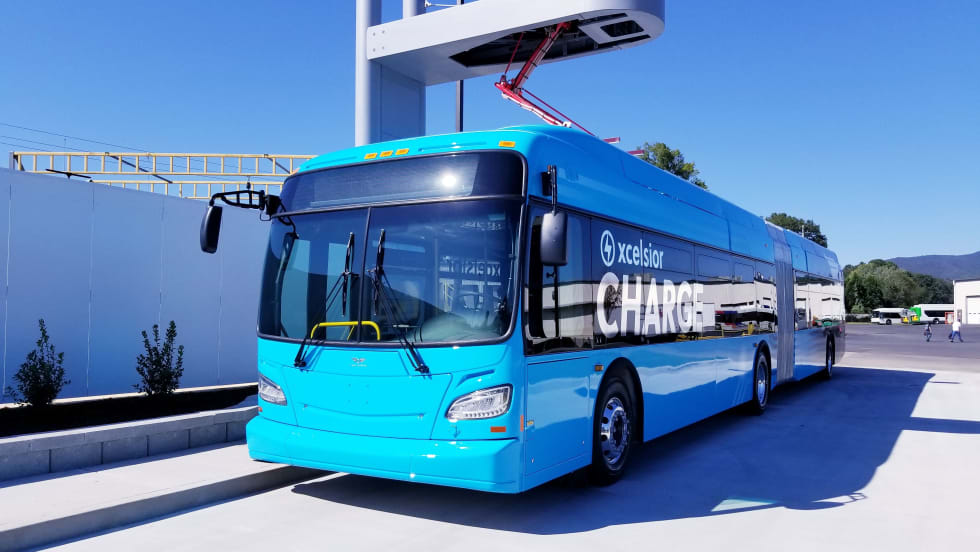
Read More →Additionally, the Metropolitan Council of Minneapolis has exercised options for six heavy-duty, 60-foot Xcelsior® clean diesel transit buses (or 12 equivalent units).
Read More →Agency received an unsolicited proposal from Fluor Enterprises Inc., to accelerate conversion of the Orange Line from bus rapid transit to light rail through a public-private partnership.
Read More →Stops protrude toward the street, to help buses quickly board riders. Some are located close to the intersection and occupy the only lane of traffic, causing drivers behind the bus to block the intersection.
Read More →The 11.1-mile Southeast Corridor is the third segment of a five-phased First Coast Flyer™ system planned for the Jacksonville area.
Read More →The project will provide faster, more reliable transit service to important destinations in downtown El Paso, the El Paso International Airport, and the Far East Transfer Center.
Read More →The Orange Line will be the highest ridership transit service ever tested for all-electric operation. The project is expected to demonstrate the durability and reliability of lithium-ion battery technology for high ridership transit lines.
Read More →The buses will be among the first 60-foot battery-electric articulated buses put into service in the U.S.
Read More →From the north, the line will originate at the Orem Transit Center and run to downtown Provo, with stops at Utah Valley University, Brigham Young University, and the Provo Central Station.
Read More →