
Metro Magazine

 MENU
MENU SEARCHMENUSEARCH
Loading data...

Texas Women's University made its decision because the cost for DCTA to provide the service has escalated greatly since the two entered into their first contract in 2005.
Read More →
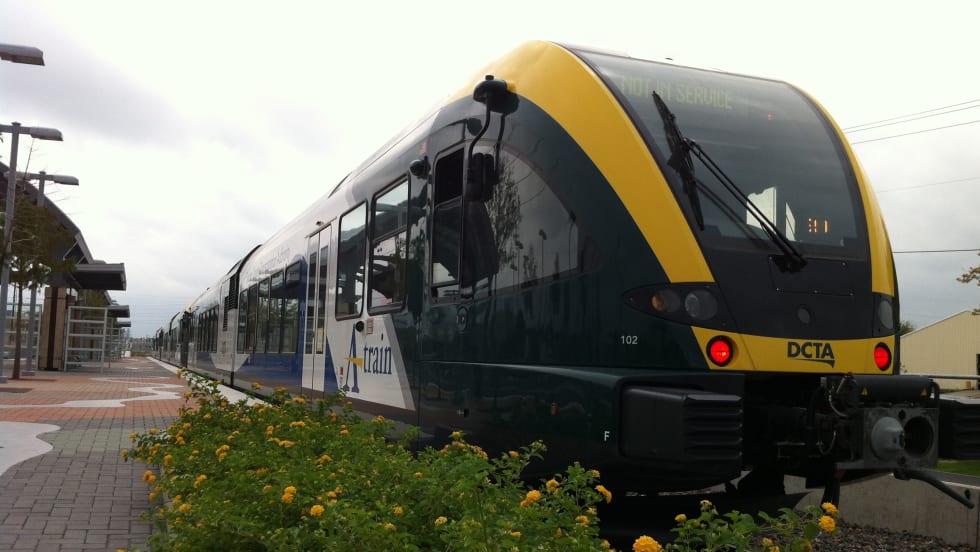
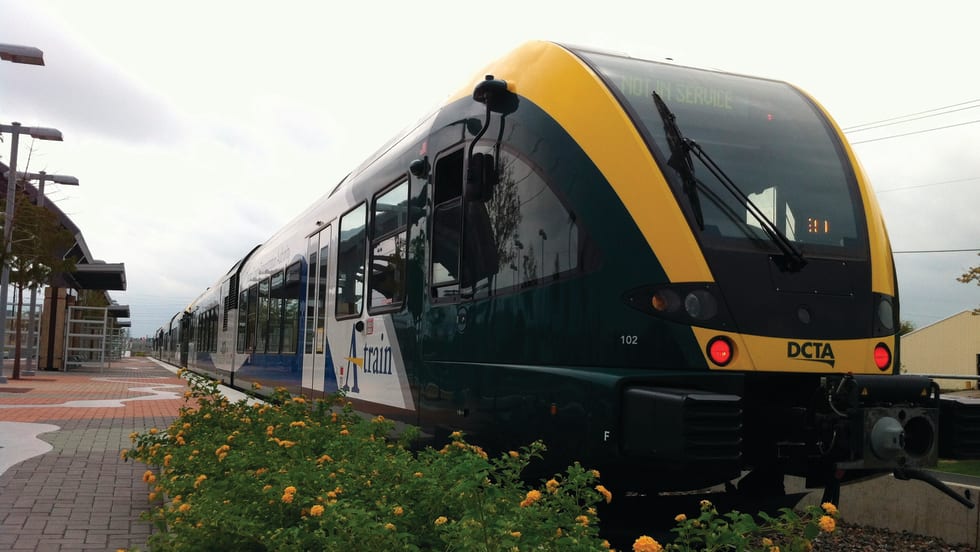
DCTA purchased 11 diesel-electric GTW 2/6 articulated rail vehicles from Stadler. The vehicles offer level boarding and incorporate enhanced passenger information systems and video surveillance.
Read More →Announcement made by Administrator Joseph Szabo at APTA's Annual Rail Conference
Read More →Costing $3.6 million altogether, the buses have a life expectancy of 10 years and are able to carry three bikes in comparison to current buses which can fit only two. An increasing number of students are using a combination of bikes and the buses on campus.
Read More →The agency goes from inception to launching the 21-mile commuter rail system in approximately nine years. The project was built without the use of any federal funds.
Read More →Smart phone users simply open the application, select an issue, take a picture and tap “submit” — the application picks up the exact location and sends the issue directly to the agency staff member responsible for addressing the issue.
Read More →The Stadler GTW 2-6 diesel multiple unit rail vehicles were manufactured by Stadler Bussnang AG in Switzerland and soon will replace the cars DCTA now leases from Dallas Area Rapid Transit.
Read More →University of North Texas and other college students would pay $175 for a semester of local service or $250 for a semester of regional service from Denton County Transportation Authority. Faculty and staff would pay $250 for a semester of local service, or $340 for a semester of regional service. Some students and faculty argue that the pricing is too expensive.
Read More →Vehicle and equipment testing and crew qualifying are the first phase of operations in preparation for revenue service and began in April in the southern segment between Lewisville and Carrollton. System testing of the segment north of Lewisville Lake will begin in mid-May.
Read More →The new policy, effective Oct. 1, will eliminate access customers' ability to take trips between the two zones. Thirty customers were adversely affected by the change, which was made due to rising costs.
Read More →