




Miss This? U.S. Zero-Emission Bus Adoption Surpasses 8,000 Vehicles
Chicago’s Pace Deploys 24 Hybrid-Electric Buses in Will County
The new buses reduce emissions and fuel consumption while advancing the agency's long-term goal of transitioning to a fully zero-emission fleet.
June 25, 2026
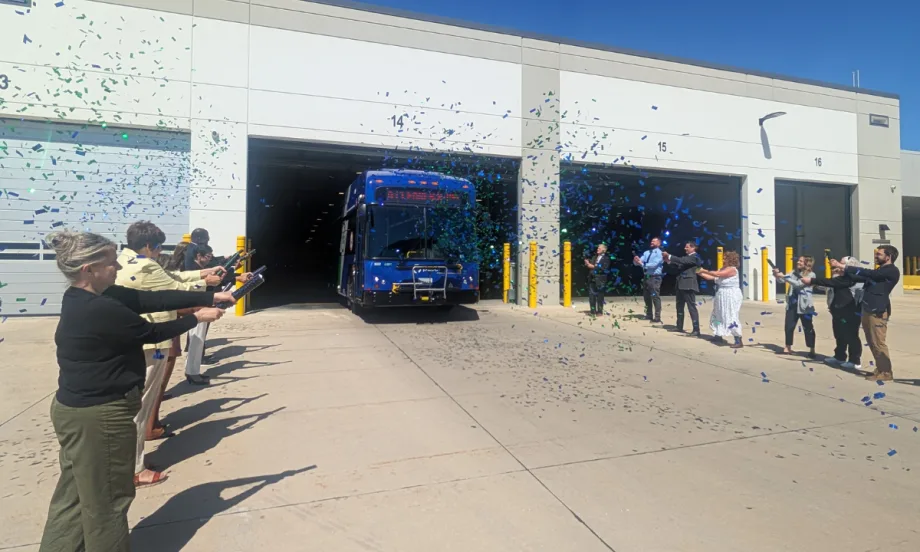
Pace has committed to operating 100% zero-emission vehicles by 2040 and continues to invest in vehicles, facilities, training, and infrastructure needed to support that long-term goal.
Credit:
Pace
3 min to read
Pace celebrated the introduction of 24 new hybrid-electric buses to its Will County fleet, marking another important step in the agency’s Project Zero commitment to transition to a fully zero-emission fleet by 2040. According to a release, the buses will deliver immediate benefits for riders and communities, including reduced greenhouse gas emissions, lower fuel consumption, quieter operation, and a smoother, more comfortable ride.
The Will County deployment is part of a broader rollout of new hybrid-electric buses across Pace’s service region. In addition to the 24 buses now serving Will County, Pace expects to deploy additional hybrid vehicles at other garages later this summer as the agency continues modernizing its fleet while maintaining reliable service for riders.
“This investment reflects Pace’s responsibility to balance innovation with reliability,” said Pace Director John Noak. “Hybrid buses allow us to move forward in a thoughtful, responsible way today while we continue building the infrastructure and securing the resources needed for full electrification in the years ahead. They provide cleaner, quieter, more efficient service for our riders and communities right now.”
The addition of hybrid-electric buses advances Pace’s sustainability goals at a challenging time for zero-emission bus manufacturers industrywide, remarked Illinois Representative Natalie Manley.
“Despite worldwide challenges, Pace continues to move forward,” Manley said. “This forward thinking and the push to hybrid-electric buses as part of their fleet is both bold and responsible, and it is time.”
Hybrid Technology and Pace’s Service Growth
According to Pace, hybrid technology is expected to reduce fuel costs by approximately 20% annually compared with traditional diesel buses, supporting Pace’s ongoing focus on operational efficiency, fiscal responsibility, and environmental stewardship.
"Congratulations to Pace on this important step to ensuring that our residents have access to a modern, reliable public transportation system,” said Will County Executive Jennifer Bertino-Tarrant. “These new buses are an important step in strengthening our transit network and ensuring residents have access to jobs, schools, health care, appointments, and the daily activities that make communities strong. I appreciate Pace’s continued commitment to Will County."
The new vehicles also support Pace’s service growth in Will County and across the region. With funding made possible through new state transit legislation, Pace has expanded service in key areas, including evenings and weekends when many riders need more reliable options.
“These buses are an investment not only in vehicles, but in the future of our service,” said Pace Executive Director Melinda Metzger. “They mean a quieter and more comfortable trip for our passengers, meaningful environmental benefits for the communities we serve, and new opportunities to prepare our workforce for the transit technologies of the future. This milestone is another step toward building a modern transit system that is ready to meet the needs of our region for decades to come.”
Through Project Zero, Pace is “advancing a phased, disciplined transition to cleaner fleet technology.” The agency has committed to operating 100% zero-emission vehicles by 2040 and continues to invest in vehicles, facilities, training, and infrastructure needed to support that long-term goal.
More Zero Emissions

Report: Transit Bus Manufacturing Supports 34,100 Jobs, $5.1B in GDP
The “Buses Mean Business” report examines the transit bus manufacturing industry’s economic footprint, supply chain, and rising demand for vehicle replacements.
Read More →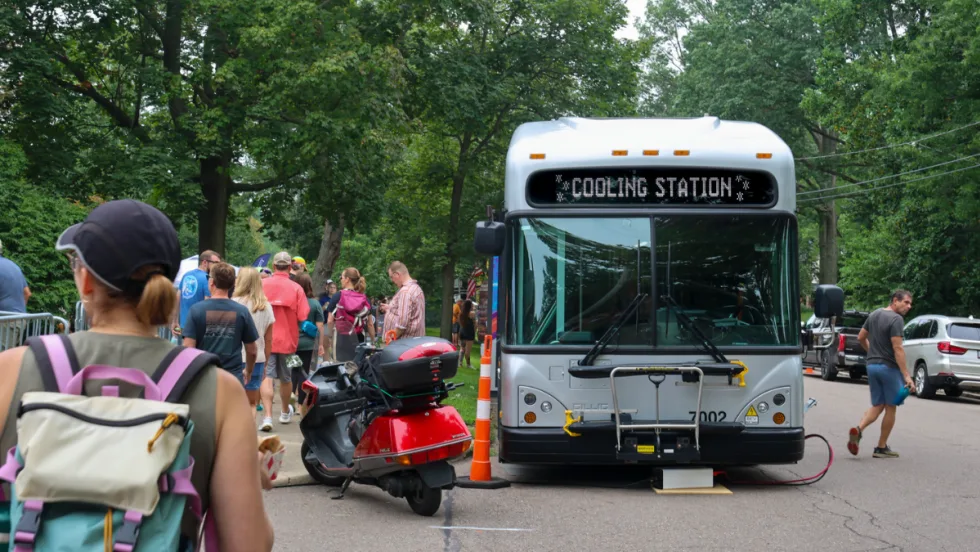
Ohio’s METRO RTA Turns Electric Buses into Mobile Power Sources at PorchROKR
See how three Gillig battery-electric buses powered festival stages while the agency’s new Park & Ride service carried approximately 1,000 attendees, demonstrating another potential use for transit agencies’ electric fleets.
Read More →
CALSTART and Forth Combine to Form Catalyst Mobility
The new name represents a renewed vision for the nonprofit focused on advancing clean, equitable, and affordable transportation solutions that move people and goods.
Read More →
Building a Flexible Path to Transit Electrification
John Hroncich discusses BAE Systems’ modular and scalable approach, lessons learned from decades of real-world operations, and how agencies can identify electrification strategies that fit their fleets.
Read More →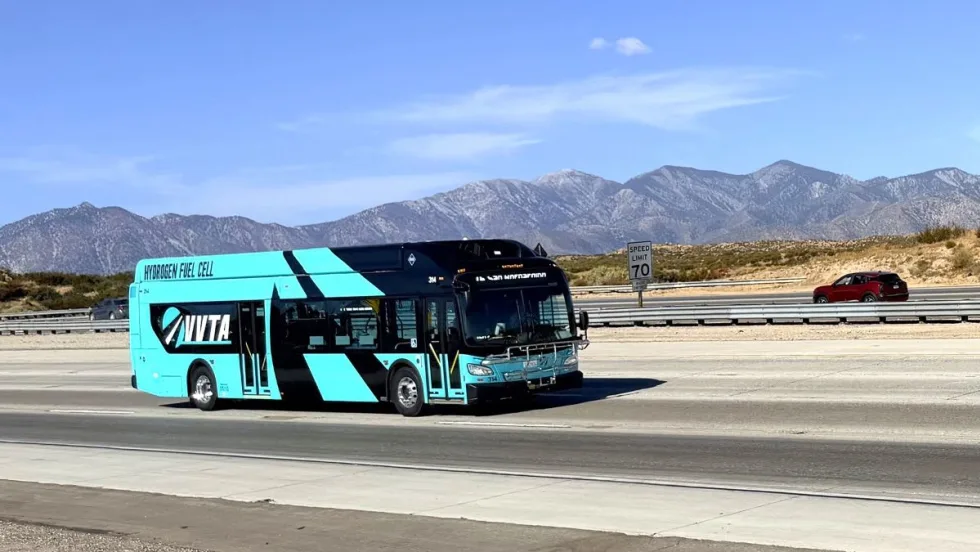
California's VVTA Begins Phased Rollout of Hydrogen Fuel Cell Buses
The agency is introducing 13 zero-emission buses into revenue service while evaluating performance across its urban, rural, and long-distance routes.
Read More →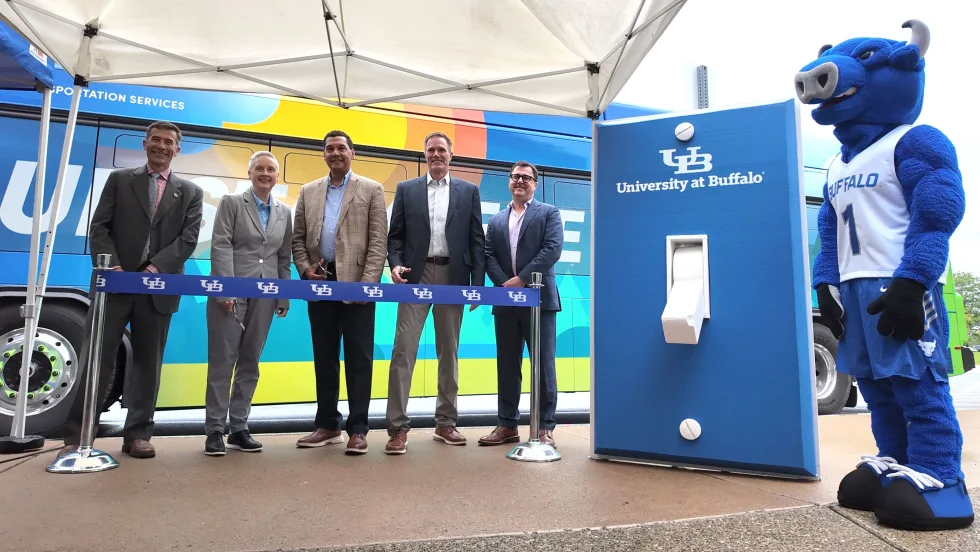
Inside Look: University at Buffalo Puts First 8 Electric Buses Into Stampede Service
UB, transportation solutions provider WeDriveU, and fleet electrification specialist Zenobē marked the deployment in the presence of students, university administrators, and local officials.
Read More →
Biz Briefs: OCTA Taps Clean Energy for Hydrogen Station, Stadler to Supply Via Rail Vehicles, and More
From manufacturers and suppliers to transit agencies and motorcoach operators, these updates offer a snapshot of the projects, partnerships and business moves driving the industry forward.
Read More →
AC Transit’s Cecil Blandon on Building the Next Generation of Transit Maintenance Leaders
The agency’s maintenance chief discusses leadership, workforce development, zero-emission technology, and preparing technicians for the future of public transportation.
Read More →
CTDOT Taps STV for Electric Bus Facility Design
The firm will work with CTDOT and RVT to define the facility layout, operational requirements, and long-term flexibility for RVT’s growing electric fleet.
Read More →
DASH Breaks Ground on First On-Route Electric Bus Chargers in D.C. Region
The fast-charging infrastructure will help extend electric bus range, improve fleet utilization, and support DASH's goal of transitioning to a fully zero-emission fleet.
Read More →