



Product Roundup: Transportation Software and More
In this product roundup, METRO highlights transit software platforms designed to optimize scheduling; harness actionable data; and support flexible, on-demand operations.

From dynamic route planning to performance analytics and demand forecasting, these solutions are helping agencies improve efficiency, enhance rider access, and respond quickly to changing mobility needs.
METRO
- METRO discusses transit software platforms optimized for scheduling efficiency.
- The roundup emphasizes the use of actionable data within these platforms.
- It highlights the support these platforms offer for flexible, on-demand operations.
*Summarized by AI
As transit agencies adapt to shifting rider demand and evolving service models, scheduling, and data-driven decision-making have moved to the forefront of operational strategy. Traditional fixed-route systems are increasingly complemented by on-demand and microtransit services, requiring more agile planning tools and real-time visibility than ever before.
In this product roundup, METRO highlights transit software platforms designed to optimize scheduling; harness actionable data; and support flexible, on-demand operations. From dynamic route planning to performance analytics and demand forecasting, these solutions are helping agencies improve efficiency, enhance rider access, and respond quickly to changing mobility needs.
Companies include AlphaRoute, Spare, Vontas, and more.
AlphaRoute
AlphaRoute’s intelligent scheduling platform helps transit agencies optimize routes, manage on-demand service, and improve operational efficiency through real-time data and analytics.
AlphaRoute
AlphaRoute's MIT-developed software tools boost efficiency, reduce costs, and upgrade paratransit services — without replacing core systems:
- NDSP Optimization: Maximize paratransit productivity by over 50%, while reducing wait times and enabling same-day service.
- Driver Shifts: Use predictive algorithms to design efficient, CBA-compliant run cuts, minimize labor, and maximize workforce satisfaction.
- Alphie AI: Reveal instant, conversational insights from historical or live data to speed up daily scheduling and planning decisions.
- Microtransit Planning: Explore the optimal fleet size and service mix for launching new services.
Powerful results without a disruptive overhaul. Request a demo today.
ETA Transit
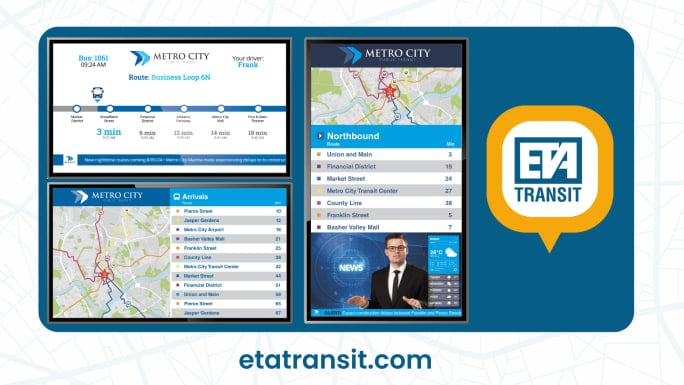
ETA Transit provides scheduling and on-demand transportation software designed to streamline operations, enhance dispatch visibility, and improve service reliability for transit agencies.
ETA Transit
At ETA Transit, we’re redefining what Passenger Information Systems can do for your riders and your agency. Our infotainment platform delivers real-time trip updates and engaging content that keeps passengers informed, relaxed, and connected throughout their journey. With tools to manage news, weather, alerts, and revenue-generating ads from a single hub, agencies can enhance the rider experience while boosting operational efficiency. Seamlessly integrated with onboard displays, our system empowers you to elevate your brand, strengthen rider trust, and turn every bus, train, or shuttle into a more innovative, more engaging travel environment. Let ETA Transit help you deliver the experience today’s passengers expect.
RideCo
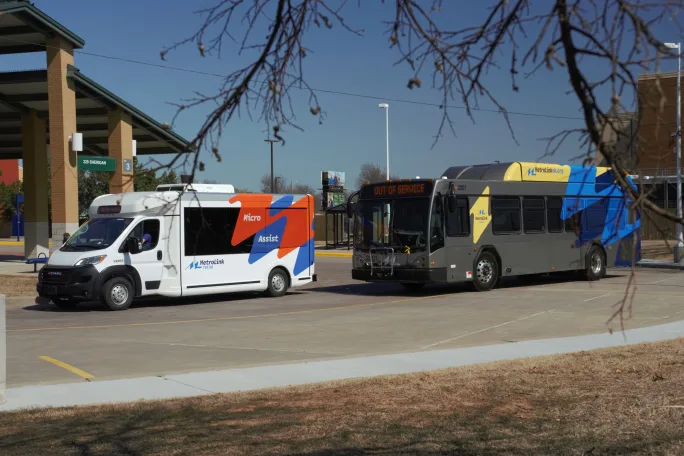
RideCo delivers on-demand transit software that enables agencies to dynamically route vehicles, reduce wait times, and expand flexible mobility options through real-time data optimization.
Tulsa MetroLink/RideCo
Powering on-demand transit solutions in five of the 10 largest cities in the US, RideCo is trusted by transit agencies, including Philadelphia, Houston, and San Antonio, as well as fleet operators and technology companies. Core to RideCo’s industry-leading paratransit and microtransit platform is Solver, their patented continuous optimization engine. Every 20 seconds, Solver re-optimizes trips, whether booked on demand or in advance, against guaranteed arrival times, traffic conditions, driver breaks, and more. Eliminating manual intervention, Solver drives greater operational and cost efficiency, optimizing resources to deliver more accessible and reliable mobility.
SilverRide

SilverRide provides door-through-door transportation services designed to support older adults with safe, personalized mobility solutions.
SilverRide
SilverRide is America's leading mobility-as-a-service platform for older adults and individuals with mobility or cognitive challenges. Operating 35 deployments across 12 states, SilverRide delivers assisted transportation through paratransit partnerships with transit agencies, contract services for PACE and healthcare organizations, and direct-to-consumer service. With more than one million rides completed, nine million miles logged, and 94%-plus on-time performance, SilverRide is redefining how transportation enables independence, community connection, and aging in place.
Spare
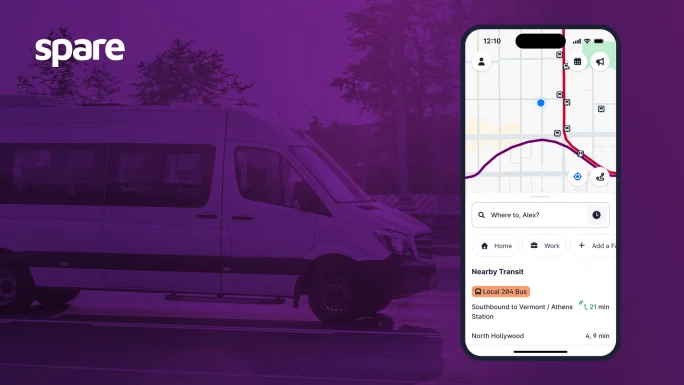
Spare powers on-demand transit services with flexible scheduling, rider apps, and real-time data tools that help agencies deliver efficient, technology-enabled mobility.
Spare
Spare's AI-native operating system for public mobility provides real-time passenger information systems for on-demand and scheduled transit. Riders get live vehicle tracking, accurate ETAs, and easy trip booking through intuitive mobile apps. The platform integrates paratransit and microtransit operations with routing optimization and trip planning to help agencies deliver more reliable journeys. Founded in 2015, Spare has powered over 28 million rides across 200-plus cities worldwide, with partners including LA Metro, DART, PSTA, MBTA, and AC Transit/BART.
Transit App
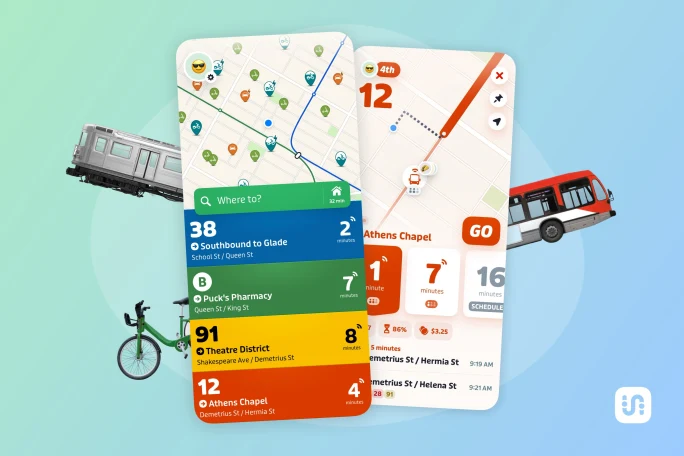
Transit app provides real-time arrivals, multimodal trip planning, and rider tools that make navigating public transportation easier and more seamless.
Transit
Transit is the platform that improves the experience for public transit riders and agencies in more than 1,000 cities worldwide. Millions of riders rely on the Transit app every day for accurate real-time information, intuitive step-by-step navigation, and helpful crowdsourcing features. Transit uses open, industry-wide integration standards to help riders discover and plan trips across all modes in their area, combining fixed-route service with everything from rural demand-responsive services to big-city bikeshare. Over 180 agencies work in partnership with Transit to communicate directly with riders, collect wide-ranging survey responses, and deliver industry-leading transit data — right in riders’ favorite app.
Via
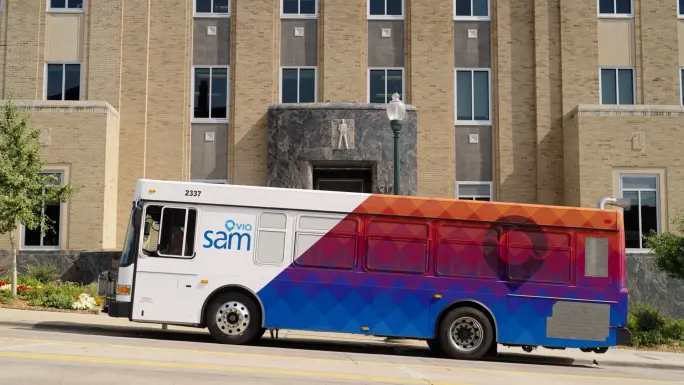
Via delivers dynamic, on-demand transit solutions that help agencies optimize routing, reduce wait times, and expand flexible mobility options.
Via
Via is the world’s leading public transit software and services platform, helping cities and agencies design, operate, and optimize modern transit systems. Informed by data, Via’s AI-powered technology delivers dynamic solutions that expand access to jobs, healthcare, and education while creating new operational efficiencies and cost savings. Its passenger information tools provide real-time arrival times, live vehicle tracking, and clear service alerts across digital platforms, giving riders confidence in a seamless transit experience. With hundreds of partners in 30-plus countries, Via is moving cities forward with more reliable, responsive, and rider-focused transit.
Vontas
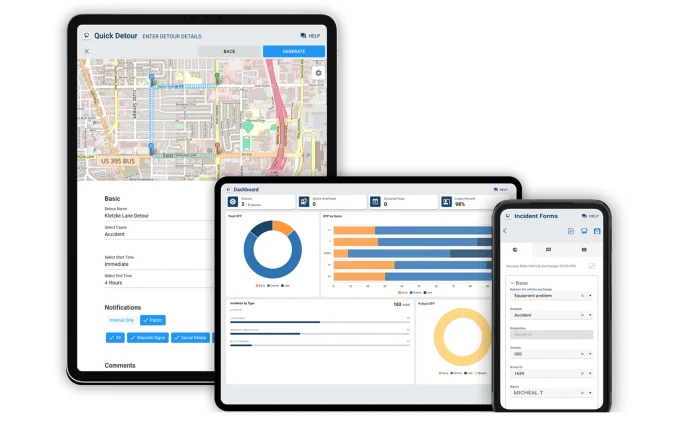
Vontas provides intelligent transportation systems that support real-time fleet management, data integration, and performance optimization for transit agencies.
Vontas
Vontas OnRoute FieldOps is a modern, web-based application designed to help transit supervisors monitor vehicle movement, manage service disruptions, and communicate in real time with dispatch and operators. Whether in the office or out in the field, FieldOps delivers the visibility and flexibility needed to keep operations running smoothly. Built to integrate seamlessly with the broader Vontas OnRoute platform, FieldOps offers real-time data and interactive mapping, enabling fast, informed decision-making that improves service reliability and boosts rider satisfaction.
Quick Answers
The transit software platforms are designed to optimize scheduling, harness actionable data, and support flexible, on-demand operations.
*Summarized by AI
More Technology
Almaviva Looks to Open Architecture to Advance Transit Technology
Eric Reese discusses how interoperability, open architecture, and modular design can help transit agencies control costs, reduce vendor lock-in, and upgrade technology without starting over.
Read More →
Driving Smarter Paratransit
John Hanlon shares how AlphaRoute is leveraging AI-powered technology to help paratransit providers optimize operations, support frontline staff, and enhance the rider experience.
Read More →
From Hardware to Digital Partner: Luminator Charts Its Next Chapter
CEO Magnus Friberg discusses Luminator’s shift toward becoming a digital partner, the growing importance of software and interoperability, and how AI can help agencies improve operations and passenger experience.
Read More →

Beyond the Checklist: A Structured Approach to Transit Maintenance
Reliability-Centered Maintenance helps transit agencies move beyond routine checklists to focus limited resources on the assets and failures that have the greatest impact on safety, reliability, and service.
Read More →
NJ TRANSIT Advances Bus Technology Upgrades Across Statewide Fleet
More than 1,500 buses now feature upgraded technology designed to improve arrival predictions and provide free Wi-Fi, with deployment expected to reach nearly 2,000 buses by the end of 2026.
Read More →
Building a Flexible Path to Transit Electrification
John Hroncich discusses BAE Systems’ modular and scalable approach, lessons learned from decades of real-world operations, and how agencies can identify electrification strategies that fit their fleets.
Read More →
Biz Briefs: Alstom Lands Canadian Contract, LYT to Supply California TSP, and More
In METRO's latest installment, we take a look at recent news from Complete Coach Works, Beep, FlixBus, and more partnerships making headlines across the transportation sector.
Read More →
From Legacy Silos to Conversational Intelligence
What if transit leaders could ask any operational question and get a trusted answer in seconds? Conversational AI is transforming how agencies use their data.
Read More →
USDOT Announces Rail Vehicle Replacement Grants, Chattanooga AV Shuttle Funding
More than $191 million in federal funding will help three transit agencies replace aging rail vehicles and support a new autonomous shuttle service in Chattanooga.
Read More →
Bus Tech Talk: Keeping Transit Technicians Ahead of the Technology Curve
LA Metro’s Obed Mejia discusses technician training, evolving maintenance technology, fleet replacement, and strategies for getting the most out of today’s transit fleets.
Read More →