
Metro Magazine

 MENU
MENU SEARCHMENUSEARCH
Loading data...
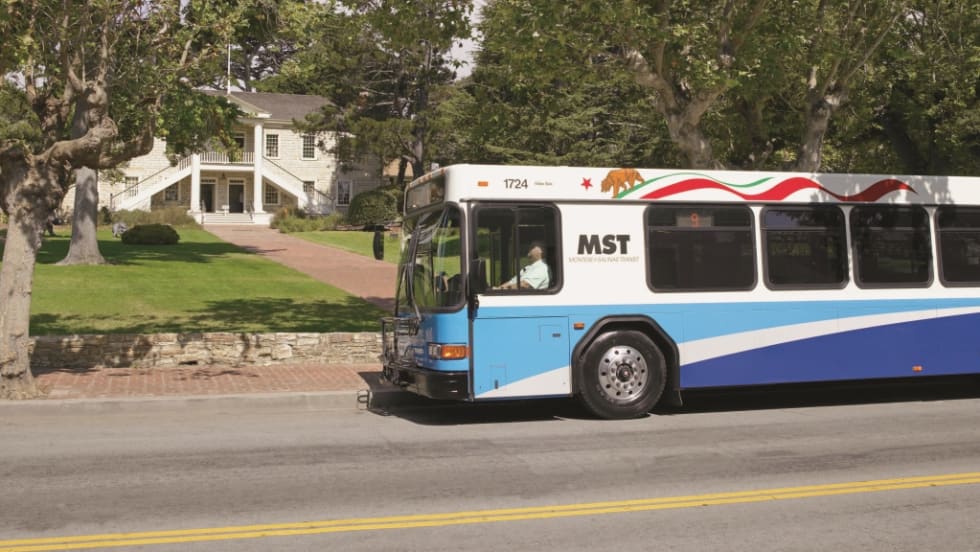
Think of a safety blitz as seeking confirmation that bus operators are in compliance, or non-compliant, with your standard operating procedures during an unannounced "spot check" of a specific skill set. A blitz may also be initiated in response to a sudden spike in unsafe actions being reported, observed or indicated by video review.
Read More →
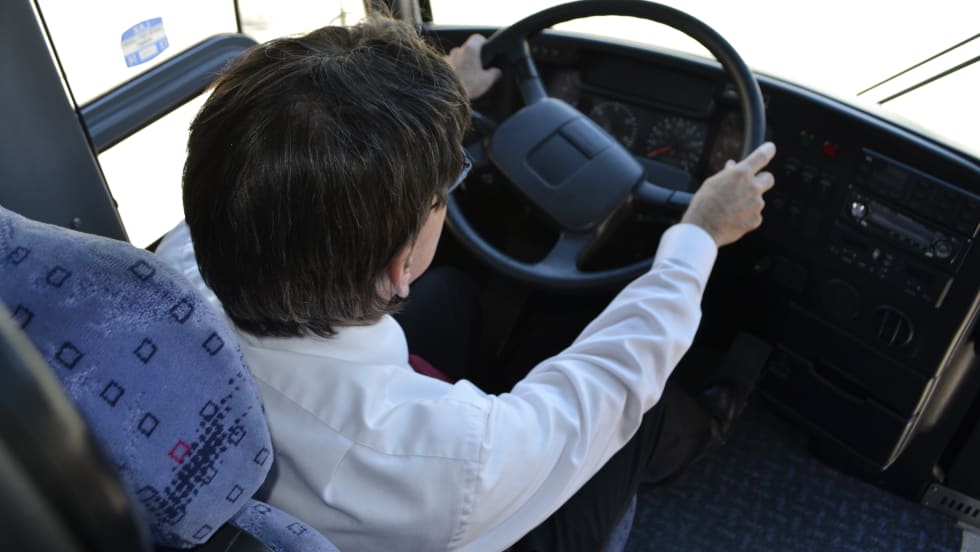
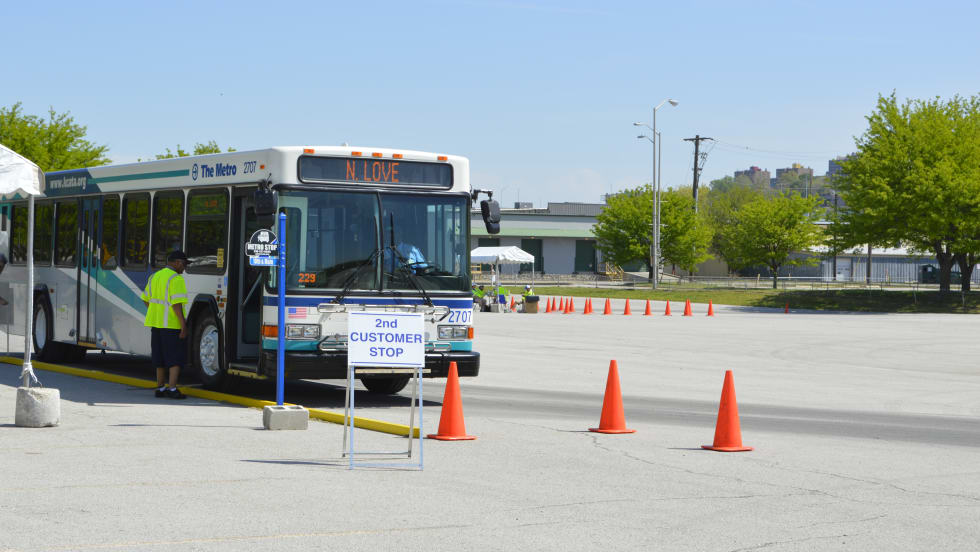
There should come a time during each new student’s training bus instruction, when instructor-led skill development turns to student demonstration and “Show Time” begins. It is during this time the student must perform for the instructor. I call this a “Show Me” day.
Read More →All too often what was taught during the initial training period can get diluted by what other operators may be saying or doing. Well-meaning veterans sometimes offer advice in an effort to “help” new operators that might be inconsistent with what was just taught to them on the training bus. Would you even recognize your past students by their driving performance? Do they resemble the student that you personally qualified into passenger service?
Read More →Going hand in hand with a standardized curriculum should be a standardized way of documenting student performance. When putting pen to paper, be sure an instructor’s documentation can be clearly understood by others who may need to refer back to it at a future date. Proper documentation is critical in the case of a student operator who may attempt to dispute a dismissal and may want to protest and pursue some type of legal options to challenge an instructor’s final evaluation.
Read More →The "Training Bus Instructor" (TBI) spends hours diligently working with a new hire candidate to provide basic skills training. Through this process, the required skills and knowledge successfully transfers to the student operator and they are released to a "Route Familiarization Operator" (RFO) that will help them learn the routes.
Read More →Among the most difficult tasks for a new student bus operator to perform on the training bus is a “right turn into a bus stop.” On a scale of one to five, with five being most difficult, I rank it a five. Right turns, in general, rank at the top of the list, but having to successfully enter a bus stop “immediately” after a right turn comes as a result of several instructional steps — demonstrated properly by the trainer.
Read More →This topic builds on conversations I had with a variety of training professionals throughout 2013, so I hope this information helps those who were interested to know how to implement a simulator into an existing curriculum.
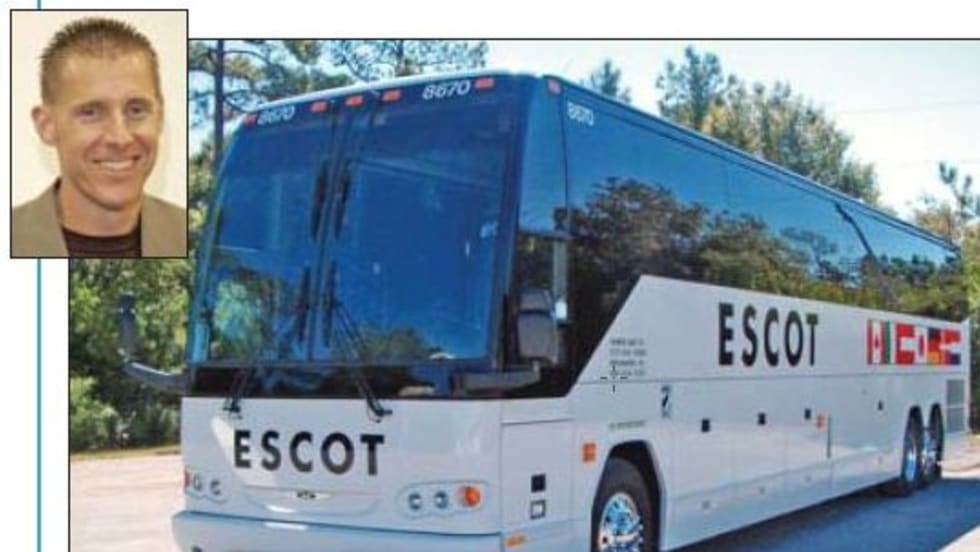
Read More →People from all over the world come to Florida, so Brian Scott, vice president of Escot Bus Lines, has to think far beyond his Tampa-Orlando service area.
Read More →Transit has its own version of Rock & Roll. I once read someone’s comment that, in the case of a bus operator, ‘Rocking & Rolling’ in the seat should not occur if their mirrors are set properly. I strongly disagree with that statement and regrettably say a statement like that will precede an increase in pedestrian knockdowns, especially when turning left and departing bus stops.
Read More →Curb jumping. Heavy braking. Excessive speed. Dangerous action. These words are sometimes utilized and documented by training bus instructors when evaluating a trainee. Having these words appear early on in a training program is not rare; it’s when the training nears its end and these words are still being used on the trainee’s evaluation forms that should cause concern.
Read More →