
Metro Magazine

 MENU
 SEARCHMENUSEARCH
Loading data...

Two vehicles, which can be reserved through iPhone and Adroid smartphone apps, are available on the UNLV campus for $7.50 an hour or $69 a day after paying a one-time $25 membership fee.
Read More →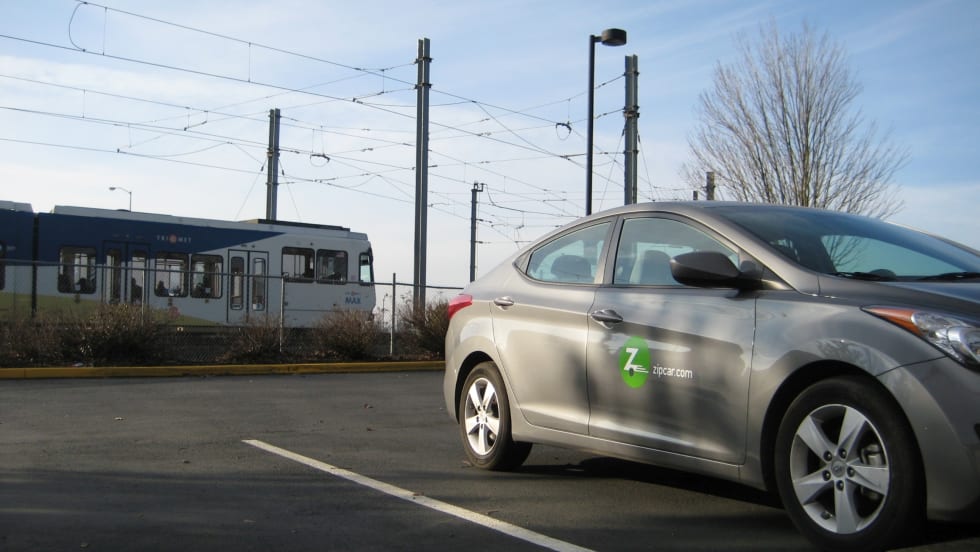





In January, Portland, Ore.’s TriMet began offering another transportation option after creating a new joint program with car sharing company Zipcar Inc., while the Fort Worth Transportation Authority (The T) started a nonprofit, Fort Worth Bike Sharing, to make cycling an easy way for riders to fill in the gaps of a trip.
Read More →Last year, Associated Students Inc. agreed to pay $71,228 to pay off the Sacramento Regional Transit contract, because the $7.50-per-student fee did not cover the full costs.
Read More →The recent rise of “mobility on demand” services like Uber and Zipcar has shifted society’s understanding of transportation systems and how they operate. Governments, advocates, and communities are responding by experimenting with their relationships to these services to ensure that on-demand options work with transportation networks to benefit public mobility.
Read More →Because the services are subject to the full array of taxes imposed on traditional car rentals, the car sharing industry is experiencing losses.
Read More →Today, in cities and towns across the country, mayors, city commissioners, governors, state legislatures, and even the President, are looking for ways to make our nation’s highways, roads, bridges, airports, public transit systems, and other key pieces of infrastructure once again the envy of the world.
Read More →The program, which is being rolled out in Chicago, offers 100 people credits to use Lyft, bike-share, Zipcar, and public transit.
Read More →The Free2Move service provides mobility solutions and easy interaction with a wide range of car and bike sharing providers.
Read More →Together they account for 77 million passenger trips per day and inform the travel decisions of 10 million people each day.
Read More →To help encourage fewer vehicles on campus, UC Irvine offers a number of sustainable commuting options, including carpool matching services, vanpools, carpools, Zipride and Zimride car sharing programs, and train subsidies to reduce monthly transportation expenses and the university's overall carbon footprint.
Read More →