
Metro Magazine

 MENU
 SEARCHMENUSEARCH
Loading data...

The firm will work with CTDOT and RVT to define the facility layout, operational requirements, and long-term flexibility for RVT’s growing electric fleet.
Read More →


In this edition of Biz Briefs, we spotlight the latest developments shaping the future of mobility.
Read More →In this conversation, TBC’s Executive Director Ed Redfern, President Corey Aldridge, and Washington Representative Joel Rubin outline the coalition’s key policy priorities, the challenges facing transit agencies, and how industry stakeholders can work together to strengthen the voice of bus transit at the federal level.
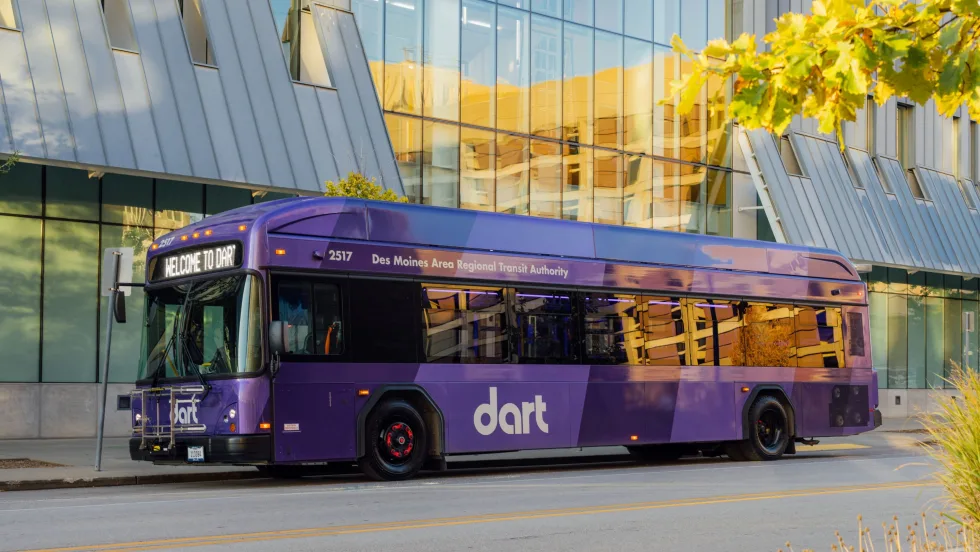
Read More →The new network reflects extensive input from riders and the community through Reimagine DART on what matters most in public transit — and those priorities are reflected in the changes ahead.
Read More →APTA awarded nine transit agencies with Bus Safety, Security, and Emergency Management Awards, three agencies with Certificates of Merit, and one agency with the newly established Safe, Effective, and Clean Award, as well as the best of best in bus operations and maintenance.
Read More →METRO’s People Movement highlights the latest leadership changes, promotions, and personnel news across the public transit, motorcoach, and people mobility sectors.
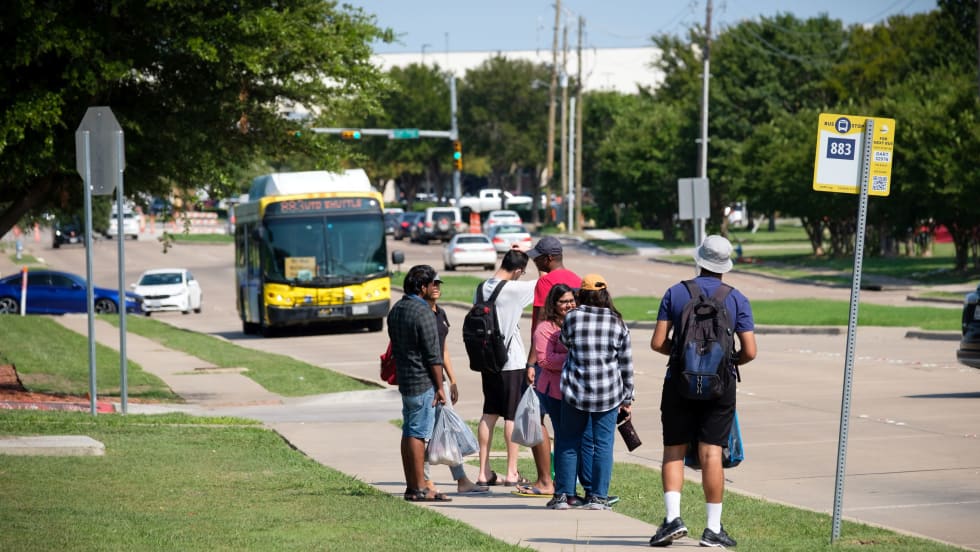
Read More →The board authorized a five-year contract, with two one-year options, to Tolar Manufacturing Company Inc., for the fabrication and installation of upgraded passenger amenities at bus stops across the DART Service Area.
Read More →Mentorship programs at VTA and King County Metro are transforming the experience of new bus operators — boosting retention, improving safety, and strengthening connections among frontline workers, unions, and management.
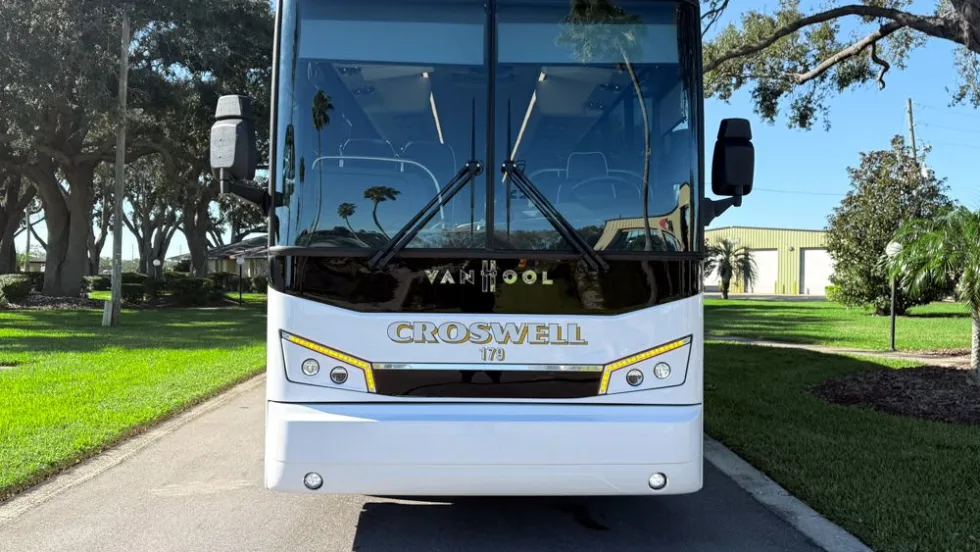
Read More →A portion of this fleet investment was recently recognized during UMA EXPO 2026, where Croswell Bus Lines was presented with a commemorative $1.8 million check highlighting the company’s continued investment in its fleet and partnership with ABC.
Read More →Traditionally, bus lane enforcement has relied on manual processes carried out by transit police or parking enforcement officers. While it may be effective in certain municipalities, this approach is resource-intensive and very difficult to sustain.
Read More →