
Metro Magazine

 MENU
 SEARCHMENUSEARCH
Loading data...
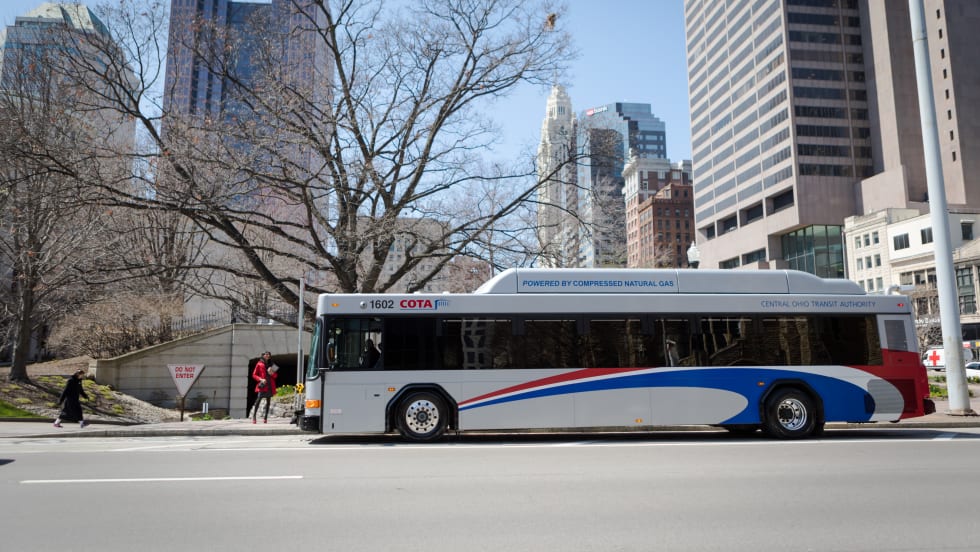
The 2026 budget includes additional bus operators, more service hours, and planning and construction for 37 sidewalk and bikeways projects.
Read More →






Public transport systems are becoming more dependent on digital technology, making the risk of cyberattacks increasingly real. Therefore, operators must prioritize security measures to protect these digital systems from malicious actors.
Read More →A growing focus on train travel comes exactly as railways become increasingly modernized by adopting connected technologies.
Read More →Cyber security is not a goal but a well-planned, well-executed, and never-ending journey that must include operations professionals and information professionals working together for the good of the entire transit system.
Read More →The so-called “Alliance for Availability” aims to solve the complexity challenge through collaboration and brings together the most diverse service-related processes, technologies, and expertise in an open ecosystem.
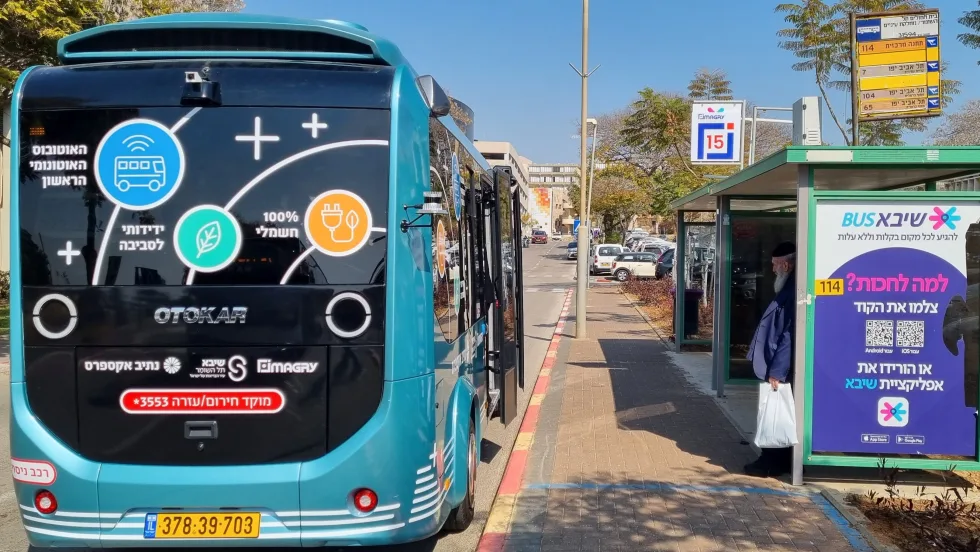
Read More →Autonomous vehicle technology has advanced dramatically and will likely reach mass markets in 2027. We examine how the technology is developed and what it means for public transportation systems and driverless buses.
Read More →The campaign introduces a suite of digital tools designed to help agencies fill operational gaps, streamline training, and enhance retention as the industry faces a shrinking pool of experienced personnel.
Read More →The authors’ findings focus on cyber literacy and procurement practices, the lifecycle of technology vis-à-vis transit hardware, and more.
Read More →While physical assets and roadside infrastructure are a vital part of connected transportation systems, in many cities and states, it is the underlying technology network that is most lagging.
Read More →The new group aims to address key issues in transportation such as technological challenges; legal and liability issues; and policy, regulation, and legislation.
Read More →