




RELATED: What Transit Agencies Need to Know About Cyber Risk
More Tools to Help Public Transit Address Cybersecurity Issues
Public transport systems are becoming more dependent on digital technology, making the risk of cyberattacks increasingly real. Therefore, operators must prioritize security measures to protect these digital systems from malicious actors.
March 14, 2023

APTA approved a new Committee to help APTA’s business members recognize and better manage the opportunities and risks associated with cybersecurity and new/emerging technology.
Credit:
Canva/METRO
3 min to read
Public transport systems are becoming more dependent on digital technology, making the risk of cyberattacks increasingly real. Therefore, operators must prioritize security measures to protect these digital systems from malicious actors. They should recognize its significance and prioritize it as a top priority to safeguard passengers, employees, and infrastructure from malicious cyberattacks.
With the rise of the Internet of Things, public transport systems are becoming increasingly interconnected, meaning a breach in one system could quickly ripple effects throughout others. Therefore, operators must remain vigilant to protect their operational systems (OT) and guarantee that their security measures are up-to-date and capable of responding rapidly to new threats. Without adequate safeguards, operators risk exposing their passengers and systems to malicious actors with serious potential damages.
One of the primary reasons why cybersecurity should be a top priority for public transport operators is because of the potential repercussions of an attack. A successful system breach could cause service disruptions, data loss, and harm passengers physically. For example, manipulating a train's signaling control system could result in a collision and serious injury or death to passengers.
Cybersecurity should be a top priority for public transport operators due to the growing use of internet-connected devices and systems. As more systems become interconnected, there is an increased risk of vulnerabilities or security gaps that cybercriminals could exploit. Therefore, public transport operators must ensure that all their systems and devices are secure and regularly updated to prevent potential breaches.
Public transport operators have a duty to their passengers to guarantee their safety and security. Cybersecurity is essential to fulfilling this responsibility, as cyberattacks can compromise passenger safety and infrastructure integrity. By prioritizing cybersecurity measures, operators can reduce these risks and guarantee their passengers travel safely and securely.
Finally, public transport operators should prioritize cybersecurity due to the potential threat of online attacks, the growing use of internet-connected devices and systems, and their responsibility to their passengers. By prioritizing cybersecurity measures, they can protect their systems and passengers from potential breaches while ensuring their operations remain secure.
Bringing Cybersecurity Even More Forward
In recognition of the need to address these cyber-related challenges and the growth of emerging technologies in the Public Transportation sector, at last month’s Business Members Annual Meeting of the Business Members Board of Governors (BMBG), the American Public Transportation Association (APTA) approved a new Committee to help APTA’s business members recognize and better manage the opportunities and risks associated with cybersecurity and new/emerging technology.
The committee will:
Liaise with the APTA Procurement and Supply Chain Committee on procurement language that addresses topics related to emerging technology issues such as cybersecurity, open-source software, and data management.
The Committee will also seek to identify barriers and opportunities for a broader representation of small businesses to participate in the procurement process.
Liaise with APTA’s Security Standards Working Groups on cybersecurity standards, materials, and education. Again, it will identify opportunities for business members to engage in the delivery of cybersecurity support services, especially with the smaller and mid-sized public agencies.
Facilitate exposure of new technology providers to business members.
APTA Members that wish to join this Committee can contact APTA’s Christina Garneski or one of the Committee’s Co-Chairs, Scott Belcher or Chris Crawford. The first organizing meeting of the Committee will be in mid-February.
Subscribe to Our Newsletter
More Blog Posts
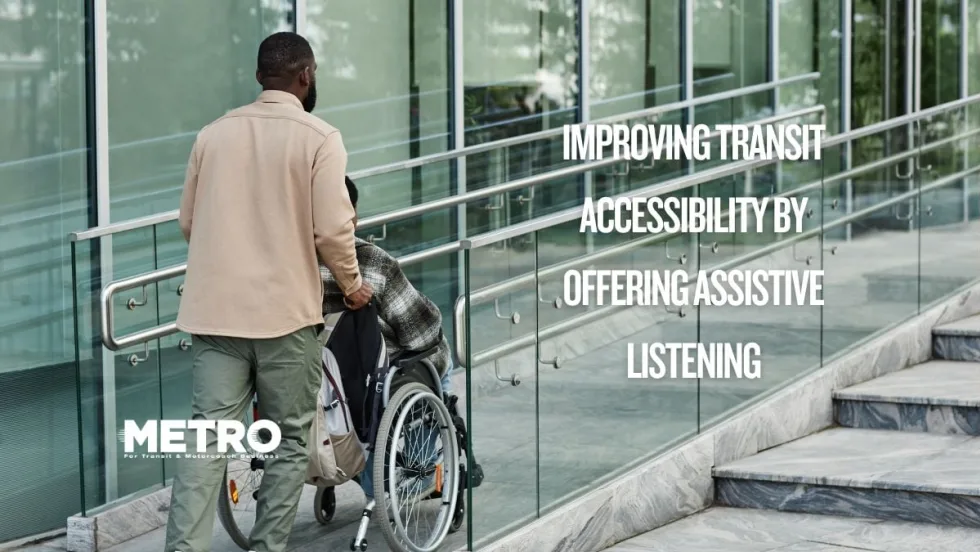
Improving Transit Accessibility by Offering Assistive Listening
Did you know that there are literally tens of millions of people worldwide with hearing loss, many of whom will use some form of public transit at some point?
Read More →
35 Years of the ADA, Making Travel Easier for Seniors
Thirty-five years after the passage of the Americans with Disabilities Act of 1990 (ADA), the impact of this landmark piece of civil rights legislation cannot be overstated.
Read More →
Driving Performance with Purpose: How I Lead One of Greyhound’s Top Teams
Safety, on-time performance, and customer experience are critical elements in intercity bus operations. But getting them right doesn’t come down to plans or protocols alone. It comes down to execution. How well your team performs on the ground, in real time, is what defines success.
Read More →
Navigating Emerging Privacy Laws: A Call to Action for Service Providers in Mass Transit
With Data Privacy Day Jan. 28, I want to spotlight a critical challenge faced by service providers in the mass transit sector: managing personal information responsibly in an era of rapidly evolving privacy regulations.
Read More →
Human Trafficking Awareness: What Public Transportation Can Do?
January is National Slavery and Human Trafficking Prevention Month in the U.S., and January 11 is National Human Trafficking Awareness Day.
Read More →
Want to Improve Transit Safety and Operations? Break Down the Silos
Retrieving and reviewing data and video can be a cumbersome process for fleet managers. Each system or tool provides a piece of the puzzle, but seeing the complete picture requires tedious manual synchronization.
Read More →
Ensuring Public Transit Cybersecurity Through Robust Protective Measures
In today’s highly connected world, cybersecurity is of utmost importance, particularly for transportation agencies overseeing transit bus systems that rely increasingly on sophisticated technologies, including the use of data analytics in traffic signal networks, to manage and operate their systems.
Read More →
How Advances in Thermal Management Revolutionize Urban Mobility
In the daily hustle and bustle of city life, transit buses serve as the backbone of urban transportation, allowing millions of city dwellers to get from point A to point B each day reliably.
Read More →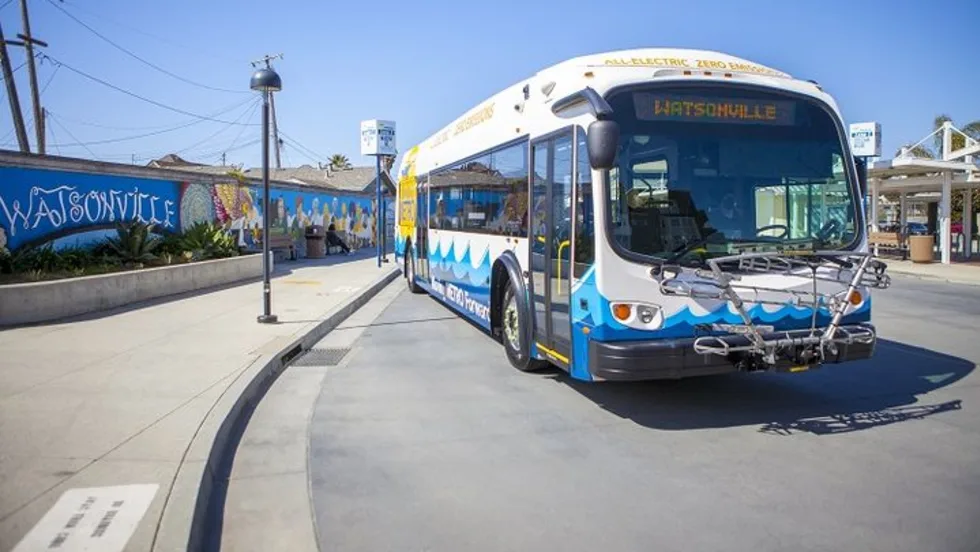
The Evolution of Bus Design
Thirty years ago, drivers not only had to drive the bus and navigate heavy traffic, but they were also responsible for tasks like supervising passenger loading and unloading, selling tickets, and providing passengers with various kinds of information, all while sitting in an often ill-fitting workstation.
Read More →
What 'Transit Safety 101' Really Means
Safety, Safety, Safety. This word is used repeatedly, and in many contexts, without most people understanding what it actually means.
Read More →