
Metro Magazine

 MENU
MENU SEARCHMENUSEARCH
Loading data...
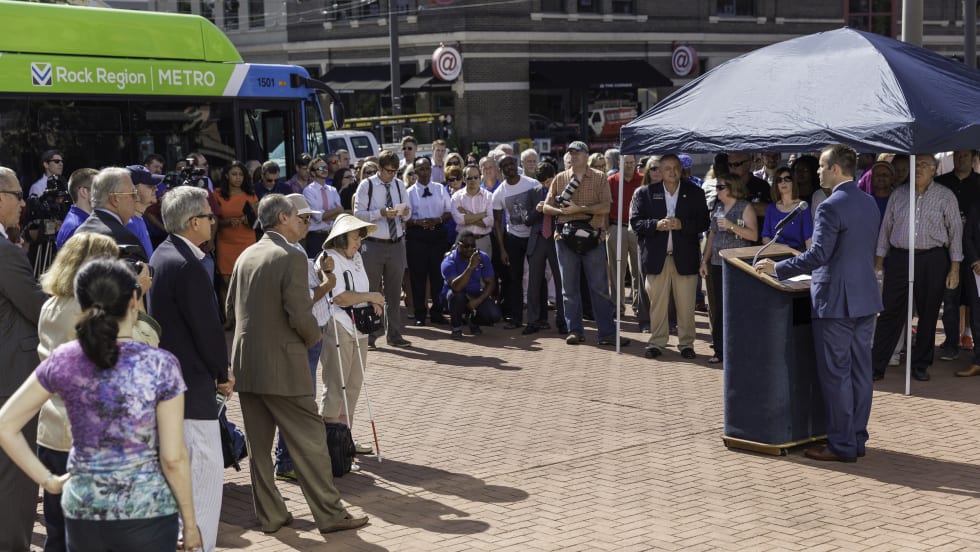
In the summer of 2013, Jarod Varner was named executive director and CEO of Rock Region METRO — the central Arkansas-based public transit system serving three million passengers per year via fixed-route bus service, streetcar, and paratransit service.
Read More →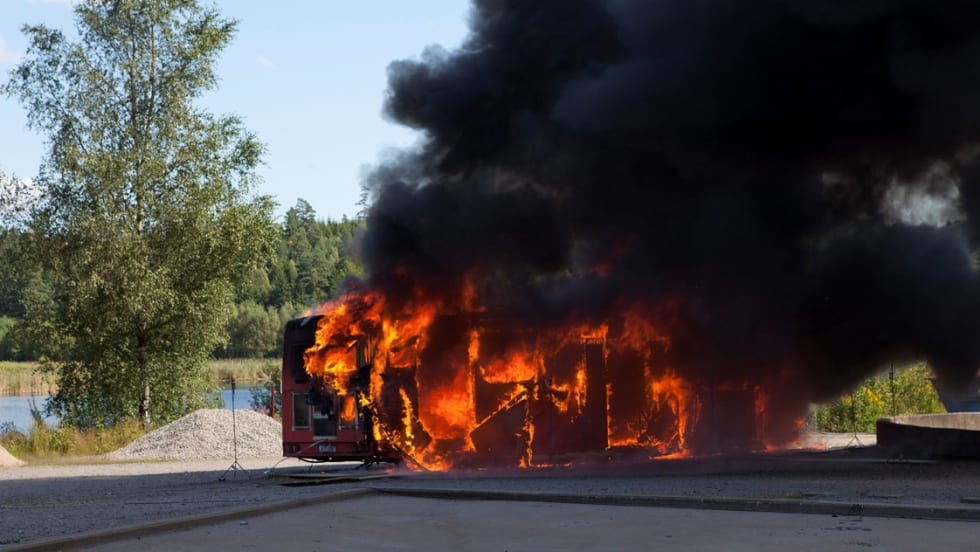
SP Fire Research is leading the way for more effective fire suppression systems by establishing a certification process and test method for testing fire suppression systems against known fire threats and environmental conditions specific to bus engine environments.
Read More →
Switching our bus fleet to compressed natural gas from liquefied natural gas and diesel was a carefully weighed decision at DART. But in the end, it was a no-brainer: go with the fuel source that will promote clean air while saving taxpayers $120 million in fuel costs over the next 10 years.
Read More →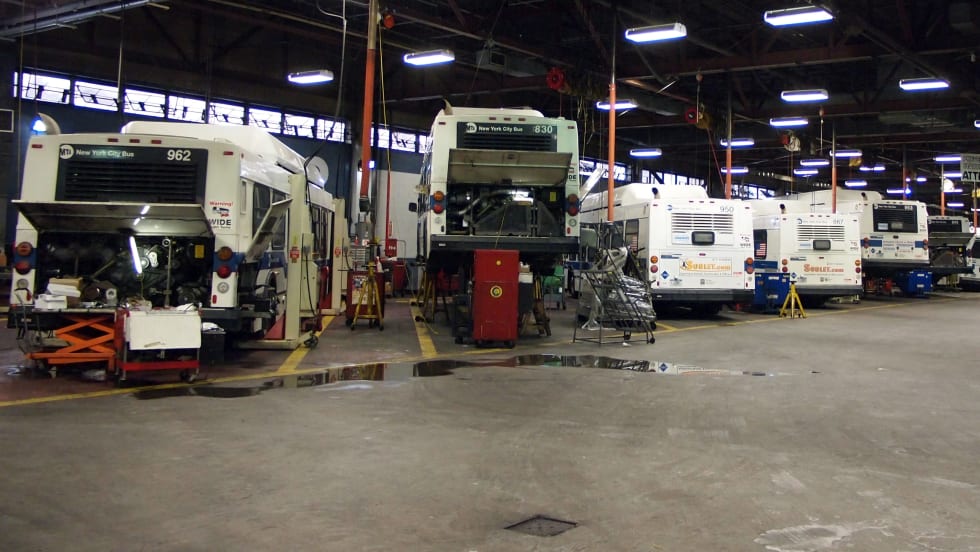
METRO’s annual Bus Maintenance Survey sees a growth in workforce issues compared to the first three installments, while more than 60% of the agencies who responded say they are buying more parts because they have to hold onto buses longer.
Read More →
Hopefully, as the trust funds are going bankrupt, Congress will address not only that issue but also answer the call for a long-term policy on at least coping with the risks of climate change.
Read More →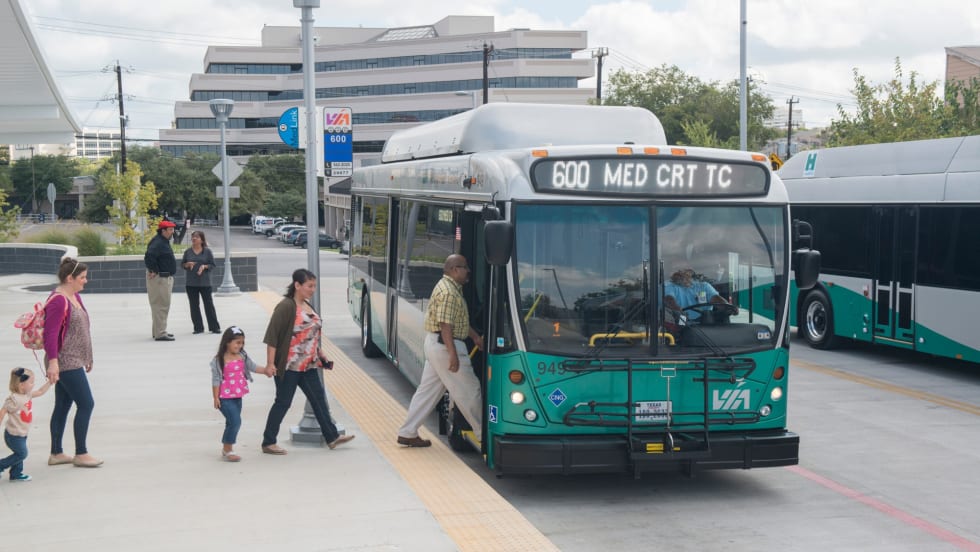
San Antonio is among the fastest-growing cities in the country. According to the U.S. Census Bureau, San Antonio was ranked fourth in population growth from July 1, 2011 to July 1, 2012. An expanding population can represent a positive shift for a city; however, every community still faces challenges when managing rapid growth. For San Antonio, one significant challenge has been a marked increase in the number of vehicles on the road.
Read More →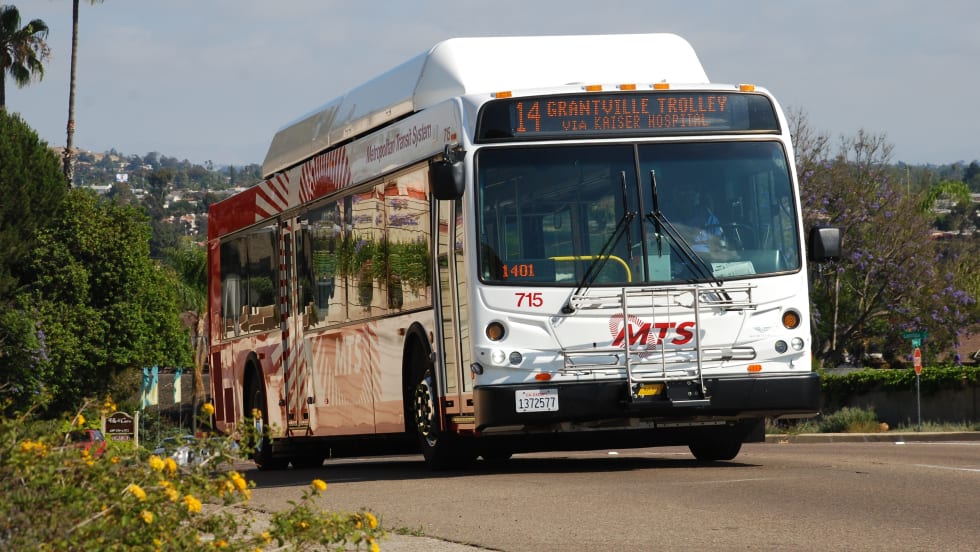
Alternatively-propelled vehicles total 16,434 and make up 25% of the fleet totals reported for 2013, with natural gas leading the way.
Read More →Everyone in the transit world knows resources are always stretched. But there are ways agencies can use sustainability to create and maintain financial, social and political capital. Efficiency plays well with the public, and can save big money in the long haul. Oftentimes, the environmental choices faced by transit agencies are governed by local laws, which vary greatly across the country. Let’s focus the sustainability lens on some of the biggest operational costs in public works projects:
Read More →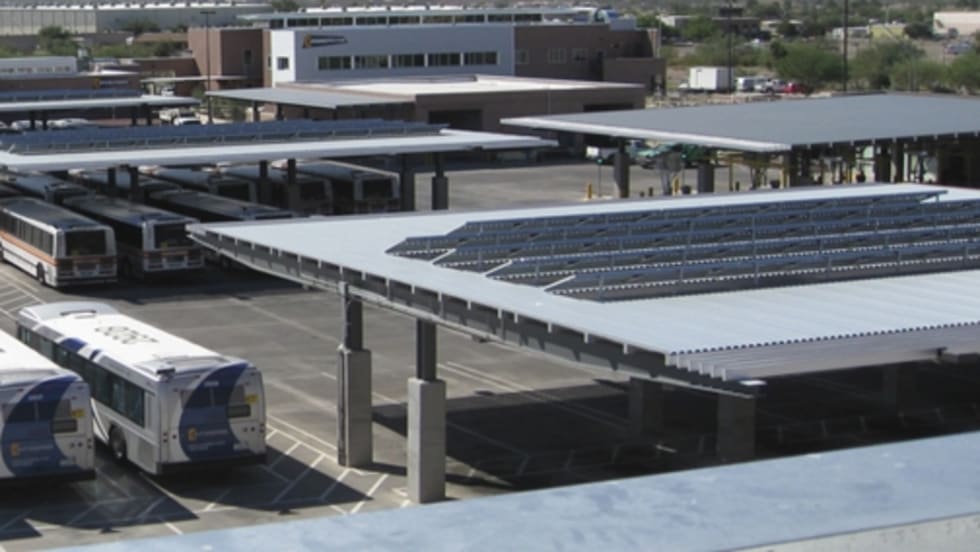
Transit agencies across the country are looking for ways to cut emissions, reduce petroleum use and save on fuel costs. Sun Tran, operated by the City of Tucson, Ariz., has been successful on all three fronts and serves as a great example for other public transit providers.
Read More →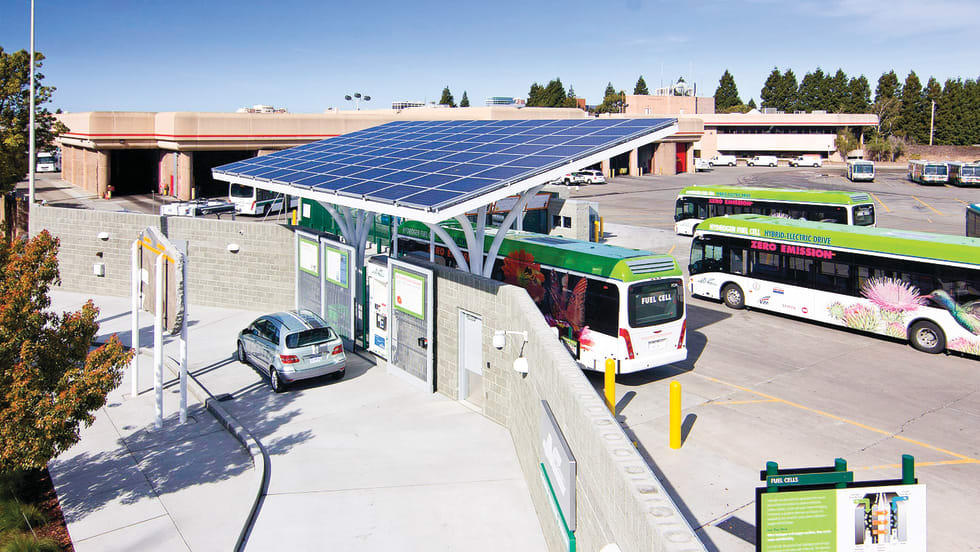
U.S. transit systems testing the technology see economical as well as environmental benefits. Conversion to other alternative fuels — biodiesel, natural gas and propane autogas — continues growth.
Read More →